The Independent Uganda: You get the Truth we Pay the Price


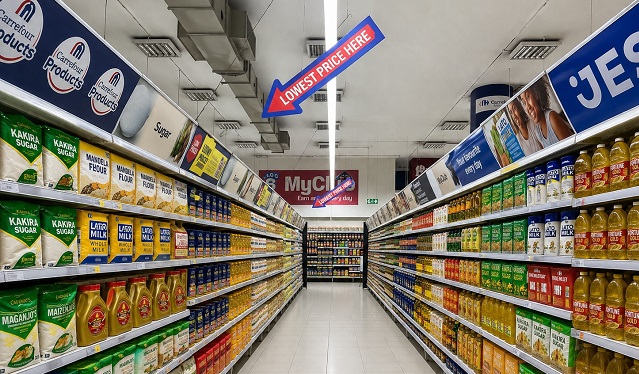
Kampala, Uganda | THE INDEPENDENT | On any given day, supermarkets across Kampala tell a story of changing consumer habits. Shopping trolleys move through busy aisles as families buy their weekly essentials, professionals pick up convenient meals after work, and students compare prices of snacks and household items.
For years, imported brands dominated many supermarket shelves, often carrying a perception of being higher quality. However, a new trend is emerging: more Ugandans are choosing products made locally.
For many consumers, buying Ugandan products is no longer simply a matter of supporting local businesses. It is increasingly a practical decision based on quality, affordability and value for money.
Shoppers are asking important questions before making purchases: Is the product reliable? Does it meet my needs? Is the price reasonable? More often, locally manufactured products are providing convincing answers.
Sarah Namusoke, a mother of three and a regular supermarket shopper in Kampala, says her attitude towards local products has changed over time.
“I used to believe imported products were always better,” she says. “But I have come to realise that many Ugandan brands now offer the same quality, and sometimes even better quality, at more affordable prices. When I shop at Carrefour Lugogo after work, I am always surprised by the variety of Ugandan products available. From fresh produce and dairy products to cooking oil and household essentials, I can find local alternatives that fit my budget without compromising on quality.”
Namusoke’s experience reflects a wider change in consumer behaviour. With the rising cost of living affecting household budgets, many shoppers are becoming more careful about how they spend their money. Rather than choosing products based only on their country of origin, consumers are paying closer attention to factors such as price, ingredients, durability, packaging and overall value.
This shift is increasingly visible on supermarket shelves. Ugandan-made products are now competing alongside international brands in categories such as beverages, cereals, dairy products, personal care items, cleaning supplies, cooking oils and other household essentials.
Better packaging, improved branding and greater consistency have helped local manufacturers build confidence among consumers.
The growth of local products also reflects Uganda’s broader efforts to strengthen domestic industries and promote value addition.
Through investments in manufacturing, industrial infrastructure and market development, the country is working to improve the competitiveness of locally produced goods. These efforts are gradually translating into more choices for consumers in everyday shopping environments.
Supermarkets have played a major role in connecting Ugandan manufacturers with shoppers. By providing shelf space for locally produced goods, retailers are making it easier for consumers to discover homegrown brands while enjoying the convenience of shopping in one place.
Across supermarkets such as Quality Supermarket and Fraine Supermarket, locally manufactured products are increasingly sharing shelf space with imported alternatives. This expanded selection gives shoppers more freedom to choose products that match their preferences, budgets and values without having to search across different markets.
For some consumers, buying local also carries a deeper meaning. Brian Kato, a young professional in Kampala, believes every purchase has an impact beyond the product itself.
“When I buy a Ugandan product, I know I am supporting someone here at home,” he says. “It could be a farmer supplying raw materials, a worker in a factory or a small business owner. It makes me feel that my money is contributing to the growth of our economy.”
For local manufacturers, the growing demand presents both an opportunity and a responsibility. Businesses must continue investing in innovation, improving quality standards and building trust with consumers. As shoppers become more informed and selective, only products that consistently deliver value will maintain their loyalty.
For supermarkets, the increasing popularity of Ugandan products highlights their important role as platforms for local businesses to reach wider markets. By promoting locally made goods, retailers are helping create stronger connections between producers and consumers.
Uganda’s supermarket shelves are gradually becoming a reflection of a changing economy and a changing mindset. They are no longer defined only by international brands but increasingly showcase local creativity, enterprise and innovation.
For many Ugandans, choosing a local product is no longer just about where it was made. It is about finding something that offers quality, affordability and confidence — while supporting the people and businesses helping to build Uganda’s future.