The Independent Uganda: You get the Truth we Pay the Price


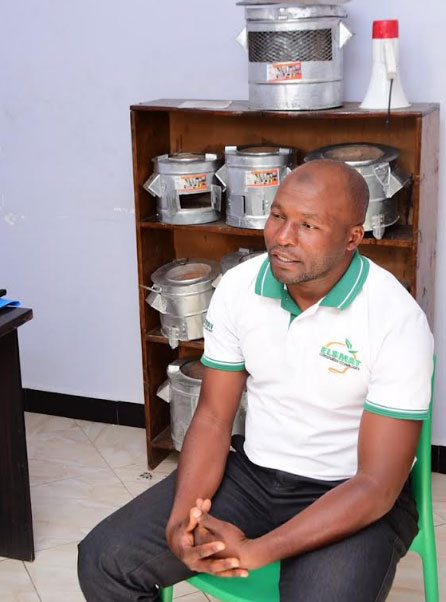
Mbarara, Uganda | NEWS CORRESPONDENT | When Matovu Muhudi watched his mother struggle with Chronic Obstructive Pulmonary Disease (COPD) after years of cooking over smoky traditional stoves, he saw more than a family tragedy. He saw a public health crisis affecting millions of Ugandans.
Rather than continue treating the symptoms as a medical professional, Muhudi chose to tackle the cause.
That decision led to the birth of Elsmart Conservation Technologies, a clean energy enterprise that is now emerging as one of Western Uganda’s most promising manufacturers of improved cookstoves and biomass briquettes.
Founded in March 2020 and headquartered in Nyakaizi, Mbarara City South, the company is combining healthcare, environmental conservation and manufacturing to address one of Uganda’s biggest development challenges, household air pollution.
“My mother’s illness changed everything,” Muhudi recalls. “I wanted to provide ordinary Ugandans with cooking technologies that protect their health while remaining affordable.”
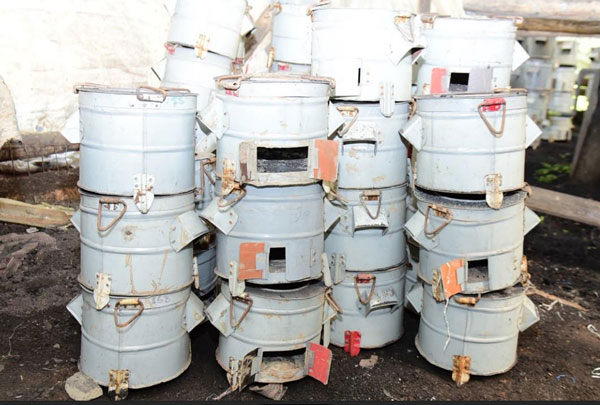
Today, Elsmart manufactures energy-efficient biomass stoves from recycled scrap metal and produces clean-burning briquettes using agricultural waste that would otherwise be discarded. The products offer households and businesses a cleaner alternative to charcoal and firewood while reducing pressure on Uganda’s forests.
The company’s growth accelerated after joining the Uganda National Alliance on Clean Cooking (UNACC) and participating in the Results-Based Financing (RBF) programme implemented by GIZ EnDev in partnership with Equity Bank Uganda.
“Results-Based Financing is not about promises. The systems must first be installed, operational, and verified by an independent third party before incentives are paid out,” says Virginia Semakula, Equity Bank Energy, Environment and Climate Change Pillar Head.
The bank has implemented several RBF programs in partnership with organizations such as GIZ EnDev, supporting the rollout of solar technologies and improved cooking systems in underserved communities.
Under the programme, Elsmart received performance-based incentives to manufacture and distribute improved cooking technologies. The company was tasked with supplying 600 household cookstoves and 213 commercial productive-use stoves targeting restaurants and other businesses.
Muhudi not only met these targets but used the opportunity to fundamentally transform his business.
“The programme gave us confidence to invest in mechanized production,” he says. “Before then, we were operating on a very small scale.”
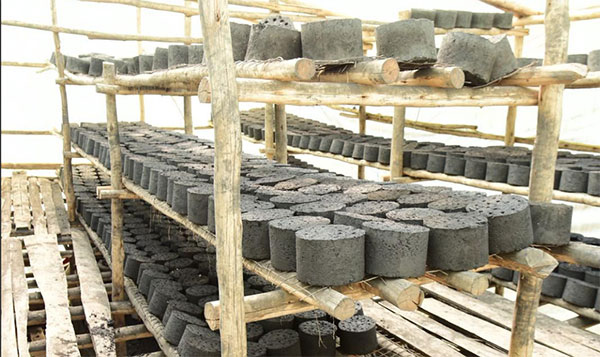
The investment enabled Elsmart to transition from largely manual production into a mechanised manufacturing operation capable of producing both honeycomb and stick briquettes.
The expansion dramatically increased production capacity, positioning the company for large-scale supply while improving product consistency and quality.
Annual turnover increased from approximately Shs72 million to Shs98 million, providing the capital required to expand production, diversify products and strengthen market presence across Western Uganda.
One of the company’s biggest innovations during the programme was the introduction of affordable biomass briquettes priced at just Shs1,500 per kilogram.
Designed to work alongside the improved cookstoves, the briquettes provide households with an affordable alternative to conventional charcoal while significantly reducing smoke emissions.
For Muhudi, however, growing the business is only one part of the mission.
“We are trying to eliminate diseases caused by smoke while protecting the environment,” he says.
Despite growing consumer awareness, Elsmart still faces stiff competition from traditional cooking technologies that dominate Uganda’s market.
“The uptake of improved stoves is still low because traditional stoves are cheaper,” Muhudi explains.
“Some households can buy a traditional stove for as little as Shs8,000. Naturally, many people choose the cheapest option.”
Although the Results-Based Financing project required Elsmart to distribute 600 household stoves, Muhudi set an internal target of selling 2,000 units. By the end of the programme, the company had sold 1,200 stoves, double the contractual obligation but short of its own ambitious target.
He believes wider adoption will require continued financing programmes that subsidise modern cooking technologies for households and businesses.
“Uganda National Bureau of Standards should strengthen certification to eliminate poor-quality stoves that flood the market. Quality products will increase consumer confidence and improve the industry’s reputation.”
Beyond financing, the Results-Based Financing programme transformed how Elsmart manages its customers.
Strict verification requirements compelled the company to establish comprehensive customer databases and sales records.
What initially appeared to be an administrative requirement soon became a valuable business tool.
The company now follows up with customers after purchase, monitors stove performance and quickly resolves any challenges. The approach has improved customer satisfaction while creating a growing network of loyal users who recommend the products within their communities.
For Alapha Nakayima, an Elsmart employee and former USAID health worker, the company’s products represent preventive healthcare as much as clean energy.
“I joined Elsmart because I understood the health benefits,” she says.
“There has been an increase in respiratory illnesses caused by prolonged exposure to smoke from traditional cooking. These improved stoves greatly reduce smoke and help families live healthier lives.”
Nakayima uses the products in her own home and regularly encourages neighbours to make the switch.
Beyond protecting human health, Elsmart’s technologies also contribute to environmental conservation.
The use of agricultural waste to manufacture briquettes reduces dependence on charcoal, slows deforestation and lowers carbon emissions. The improved cookstoves consume less fuel while producing far less soot, making them an important tool in Uganda’s transition to cleaner household energy.
The company plans to fully automate its production line, establish distribution hubs across Isingiro, Ntungamo, Rukungiri and Ishaka, and expand partnerships with organisations such as Renewable Hub and Hub Energy.
Elsmart is also preparing to enter the carbon credit market, allowing the company to generate additional revenue from the environmental benefits created by its clean cooking technologies.
For a business born from one family’s painful experience with smoke-related illness, Elsmart has grown into something much bigger: a manufacturing enterprise proving that healthcare, climate action and business growth can go hand in hand.
As Uganda intensifies efforts to transition millions of households away from biomass cooking, companies like Elsmart are demonstrating that locally developed solutions can deliver healthier families, stronger businesses and a cleaner environment, all from what was once considered waste.