The Independent Uganda: You get the Truth we Pay the Price


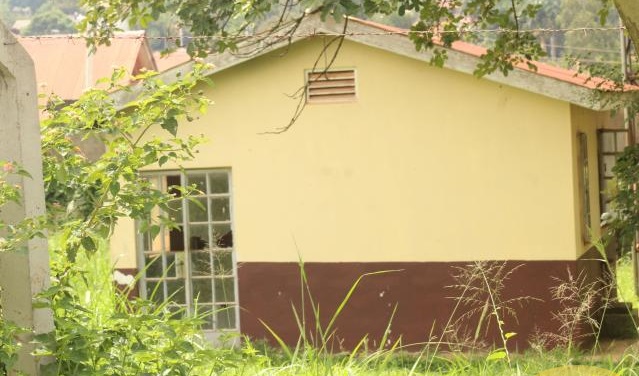
Hoima, Uganda | URN | Behind Hoima Central Police Station in Ishaka-Kijungu Village lies a structure that once played a critical role in the handling of the dead. Today, the Hoima City mortuary—built in the 1960s—stands as a fading reminder of aging public infrastructure and growing concerns over dignity, health, and neglect.
Located about 200 metres from Hoima City centre, the facility serves not only the city but also neighbouring districts of Kikuube and Buliisa. Yet residents say its condition has deteriorated to alarming levels.
The building itself is visibly worn out. Grass grows along its walls, rainwater seeps through during the wet season, and broken windows remain unrepaired. Inside and around it, a strong stench of decomposing bodies dominates the air, attracting flies and making life unbearable for nearby residents.
For some residents, the experience of living near the mortuary has become emotionally and physically distressing.
Hope Tibaijuka, a resident of Hoima City, says the situation reflects deep neglect and poor handling of bodies at the facility.
She argues that delayed collection of bodies is worsening the stench, affecting the surrounding community. Jonan Baingana, who lives near the mortuary, shares similar frustrations, saying the smell has made daily life difficult.
Charles Wandera also says the facility lacks essential equipment for dignified handling of the dead, noting that it has been neglected for years.
Beyond the smell and structural decay, residents are also concerned about the mortuary’s location in a residential area. Jackson Tusiime, from Ishaka-Kijungu Cell in Hoima East Division, says authorities should consider relocating the facility.
In the meantime, he says basic improvements such as body preservation equipment are urgently needed.
Inside the facility, even health workers are struggling to cope. A doctor from Hoima Hospital, who spoke on condition of anonymity, says postmortem examinations are often conducted under extremely difficult conditions due to poor hygiene and overwhelming stench.
At the city level, Hoima City Mayor Brian Kaboyo acknowledges the problem, saying the local government is seeking about Shs 50 million to renovate the mortuary and an additional Shs 160 million to acquire land for a modern facility and cemetery. However, he admits funding constraints are slowing progress.
Dr. Ibrahim Bwaga, the Director of Hoima Regional Referral Hospital, also notes that the facility is not equipped for postmortems or training of medical interns, further limiting its functionality.
For residents, however, the issue goes beyond budgets and plans. It is about dignity—for the living who endure the smell, and for the dead who pass through a system many say has long been forgotten.