The Independent Uganda: You get the Truth we Pay the Price


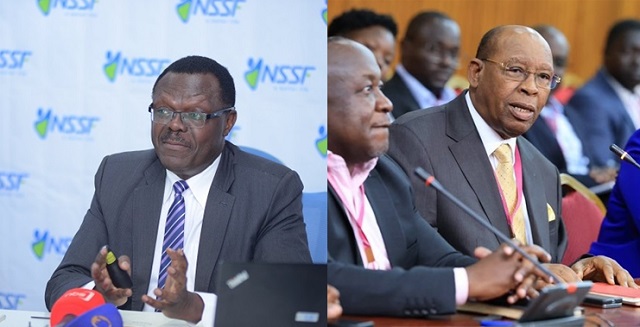
Kampala, Uganda | JULIUS BUSINGE | The National Social Security Fund (NSSF) has started the process of seeking a High Court order to take full possession of its contested Temangalo land, as Parliament has given the Fund and businessman Amos Nzeyi until next Monday to resolve the long running dispute out of court.
The Committee on Commissions, Statutory Authorities and State Enterprises (COSASE), which met on Monday, directed the two parties to return before the committee next Monday at 2pm with a resolution to the dispute.
The directive came after Nzeyi’s lawyer, Peter Kabatsi, proposed that the matter could be resolved either through NSSF buying out the disputed portion of the land or accepting a refund for the contested acreage.
The proposal followed a fresh push by NSSF to enforce its ownership rights over land it purchased in 2008 but has been unable to fully access nearly two decades later.
NSSF says it purchased 463.87 acres of land from Arma Limited and Nzeyi in 2008. The land is covered by six separate certificates of title, all registered in the Fund’s name.
However, Nzeyi has continued occupying part of the property, with about 55 acres now at the centre of the latest dispute.
NSSF said in a statement dated August 14 and posted on its official X handle on Aug.17 that it had initiated further action to secure full possession of all the land it purchased at Temangalo in Wakiso District.
“The Fund assures its members and the public that it has initiated further action to secure full possession of all the land it purchased at Temangalo in Wakiso District,” NSSF said.
The Fund’s move follows the expiry of a June 30, 2026 deadline it gave Nzeyi to provide suitable alternative land in line with an earlier agreement.
Dispute over land
The dispute originates from a Memorandum of Understanding signed alongside the 2008 purchase agreement.
Although NSSF purchased the wider 463.87-acre property, the agreement allowed Nzeyi to retain 104.88 acres containing a farmhouse, paddocks and related developments on condition that he would provide NSSF with suitable alternative land within six months.
The Fund says the alternative land provided by Nzeyi did not meet the requirements of the agreement, leading to a dispute over the remaining portion of the property.
Efforts to resolve the matter through negotiations have continued for years.
In October 2011, the parties attempted another settlement under which Nzeyi would cede 50 acres and reduce the land to be swapped to 54.88 acres, while undertaking to provide NSSF with 64.5 acres of alternative land. The proposal was subsequently rejected by the Minister.
In February 2013, the parties agreed to take the dispute to arbitration.
The arbitration award upheld the original MoU and the subsequent negotiated position, requiring a swap involving equal and suitable land adjacent to property already owned by NSSF. The replacement land was expected to be suitable for the Fund’s planned housing developments and free of squatters.
However, the dispute remained unresolved.
NSSF says two independent valuations carried out since 2013 found that only 10 acres of the alternative land presented by Nzeyi were suitable for the proposed swap.
With the matter still unresolved, NSSF issued Nzeyi an ultimatum in June this year to provide suitable alternative land by June 30 or face enforcement of the Fund’s rights.
Following the expiry of the deadline, NSSF began the process of applying to the High Court to enforce the land swap agreement and secure an eviction order against Nzeyi from the disputed portion.
Parliament intervenes
The matter has also attracted parliamentary scrutiny, with COSASE members visiting the Temangalo property as part of their investigation into the long standing dispute.
The committee found that despite NSSF holding the titles to the 463.87 acres, the Fund has not been able to secure physical access to the disputed portion, which remains occupied and fenced off.
The dispute has resurfaced before parliamentary accountability committees several times over the years.
In October 2010, former NSSF managing director Richard Byarugaba told a parliamentary committee that the vendor had refused to vacate the farmhouse or clear tenants from the property.
In February this year, NSSF Deputy Managing Director Gerald Kasaato told Parliament that litigation was still ongoing as Nzeyi continued to pursue a land swap.
The latest COSASE inquiry has now placed renewed pressure on both sides to find a settlement.
During Monday’s hearing, Kabatsi argued that the dispute could be brought to an end if NSSF either purchased the remaining land or accepted a refund for the contested portion.
The proposal, however, raised questions among committee members about the financial implications of refunding money paid for the land nearly two decades ago, particularly given the increase in land values since 2008.
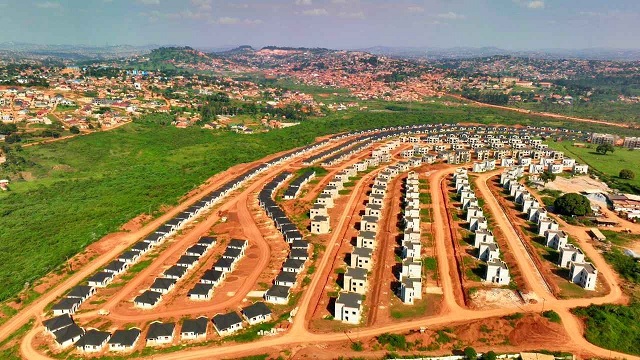
The committee has consequently asked NSSF Managing Director Patrick Ayota to provide comprehensive documentation on the land, including valuation information and the status of development plans for the property.
The documents are expected to inform the committee’s next course of action.
Deadline set
Rather than allow the dispute to continue indefinitely, COSASE has given the parties one more opportunity to reach an agreement before the matter proceeds further.
The committee directed NSSF and Nzeyi to resolve the dispute and report back next Monday at 2pm.
The directive comes as NSSF maintains that it is prepared to pursue the court process to protect the Fund’s ownership rights and the interests of its members.
The Temangalo property was acquired as part of NSSF’s investment portfolio, with the Fund previously indicating that the land was intended to support housing developments.
The prolonged dispute has, however, prevented the Fund from obtaining full physical possession of the property despite holding the relevant land titles.
For NSSF, the latest legal action represents a shift from years of negotiations, proposed land swaps, valuations and arbitration towards formal enforcement of its rights.
For Parliament, the immediate priority is to establish whether the two parties can reach an agreement that protects public resources while bringing the long running dispute to an end.
The two sides are therefore expected to return before COSASE next Monday at 2pm to report on whether they have reached a settlement or whether the matter will proceed through the courts.