The Independent Uganda: You get the Truth we Pay the Price


The latest phase builds on previous rounds of implementation in 2023 and 2025, which trained plant health officials from 20 African countries
NEWS ANALYSIS | THE INDEPENDENT | African governments are scaling up efforts to modernise plant health systems, expanding a digital surveillance programme to 38 countries in a bid to contain crop pests, strengthen food security and improve access to international agricultural markets.
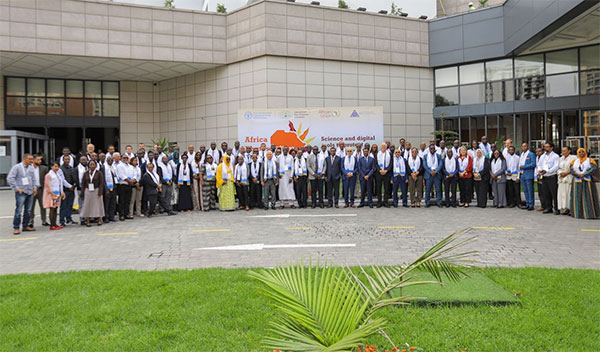
The third phase of the Africa Phytosanitary Programme (APP) was launched on July 6 in Addis Ababa by the Food and Agriculture Organization of the United Nations (FAO), the International Plant Protection Convention (IPPC) and regional partners, bringing the initiative to its widest reach since it began as a pilot project in 2023.
The expansion comes as African exporters face growing pressure to comply with increasingly stringent global food safety and plant health requirements. While countries across the continent seek to increase agricultural production and benefit from expanding trade opportunities, weak surveillance systems and inconsistent enforcement of phytosanitary standards have remained significant obstacles.
Industry estimates indicate that about 30% of Africa’s agricultural exports are rejected because they do not meet phytosanitary requirements, limiting farmers’ ability to access higher-value international markets.
The Addis Ababa training brought together about 100 phytosanitary specialists from 18 newly participating countries, alongside officials from countries that joined earlier stages of the programme, including Uganda, Egypt, Mali and South Africa. Representatives from Yemen and FAO plant health experts from across Africa also attended.
Digital surveillance platforms
Over the course of the training, participants were introduced to digital surveillance platforms, geospatial technologies and standardised pest monitoring systems designed to improve early warning and response mechanisms. Each participant received a tablet computer equipped with customised applications to support field inspections and data collection.
The programme is based on a train-the-trainer approach, with national experts expected to transfer the skills and systems acquired during the workshop to plant protection agencies in their respective countries.
Officials said the investment in digital tools reflects the changing nature of agricultural risks. Climate change, expanding trade networks and increased movement of people and goods have created new pathways for pests to spread, often faster than traditional monitoring systems can respond.
“Pests do not respect geographical boundaries or geopolitical borders,” Ethiopian Agricultural Authority Director General Ambassador Diriba Kuma said during the opening ceremony. “To secure our food supply and strengthen our economies, we need a coordinated, data-driven continental response.”
The latest phase builds on previous rounds of implementation in 2023 and 2025, which trained plant health officials from 20 African countries.
Programme partners said several countries were already using improved surveillance systems to strengthen trade opportunities and domestic crop protection. Egypt has applied harmonised pest monitoring data to support market access for citrus, mangoes and grapes in the Dominican Republic and Peru. Uganda and Kenya have enhanced monitoring of threats including Xylella fastidiosa and banana bunchy top disease, while Mali has increased investment in digital surveillance and technical capacity.
The International Plant Protection Convention said stronger plant health systems would become increasingly important as climate change altered the distribution of pests and global agricultural trade continued to expand.
Boost exporters
Enrico Perotti, Secretary of the International Plant Protection Convention, said improved compliance with international standards could help African exporters overcome sanitary requirements that often act as non-tariff barriers to trade.
The programme is also designed to create a continental network linking national plant protection organisations, allowing governments to share pest data, coordinate responses and develop common approaches to managing emerging threats.
“The Africa Phytosanitary Programme is helping build a community of professionals working from common standards and shared information platforms,” said Orlando Sosa, FAO Representative ad interim in Ethiopia.
African Union Inter-African Phytosanitary Council Coordinator Saliou Niassy described the initiative as a major effort to harmonise plant health systems across Africa, while Near East and North Africa Plant Protection Organization Executive Director Mohamed Habib Ben Jamaa called for greater private-sector participation in digital pest management technologies.
The programme is financed by the European Union and the United Kingdom, with earlier pilot support provided by the U.S. Department of Agriculture’s Animal and Plant Health Inspection Service in 2023.
For African agricultural producers seeking a larger role in global supply chains, the challenge now will be ensuring that the digital systems introduced through the programme translate into stronger national institutions, consistent enforcement and faster responses when new threats emerge.