The Independent Uganda: You get the Truth we Pay the Price


Kampala, Uganda | URN | The World Health Organisation (WHO) has defended Uganda’s decision to declare the end of its Ebola Bundibugyo outbreak before completing the conventional 42-day waiting period, saying the country remained focused on the primary objective of halting transmission and protecting public health.
Uganda discharged its last confirmed Ebola patient from the National Isolation and Treatment Centre in Mulago on July 16, 2026, and officially declared the outbreak over on July 28, less than two weeks later. The move sparked debate, with some observers questioning why the country did not wait the standard 42 days after the last confirmed case before making the declaration.
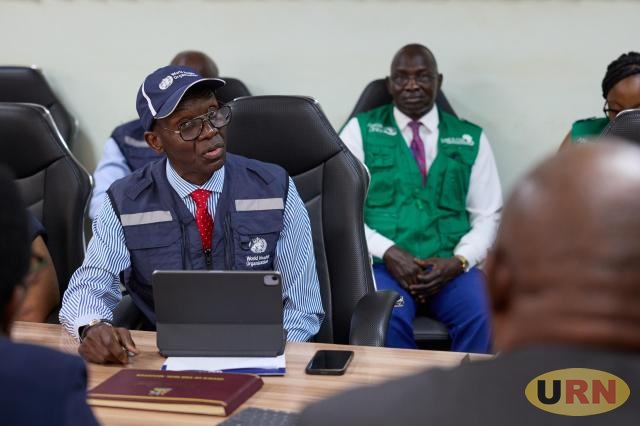
Responding to journalists on Tuesday, the WHO Regional Director for Africa, Dr Mohamed Yakub Janabi, said Uganda’s actions should be judged by the effectiveness of its response rather than strict adherence to procedural timelines.
Dr Janabi, who is in Uganda together with a delegation from the Africa Centres for Disease Control and Prevention (Africa CDC) led by its Director-General, Dr Jean Kaseya, said that although Uganda had declared its outbreak over, the wider regional response was far from complete.
He noted that Uganda remains actively involved in efforts to contain the outbreak in neighbouring Democratic Republic of Congo (DRC), where, by Monday, authorities had confirmed 3,605 cases and 1,587 deaths.
Although Uganda and the DRC declared their outbreaks on the same day in May, Uganda registered only 20 confirmed cases, 15 of which were imported infections involving Congolese nationals who had crossed into Uganda seeking medical care.
Health Minister Dr Chris Baryomunsi said Uganda has since shifted its focus to supporting the response in eastern DRC. As of Monday, 58 Ugandan health specialists had been deployed to Kasenyi, on the western shores of Lake Albert in Ituri Province, as well as Aru Territory, which borders Uganda’s Arua District.
Both WHO and Africa CDC described Uganda’s handling of the outbreak as a model for other countries in the region. They noted that Uganda recorded a case fatality rate of about 10 per cent, compared to approximately 44 per cent in the DRC, where nearly half of the confirmed patients have died.
Despite the international praise, Uganda’s response was not without controversy. During the outbreak, some officials questioned the need to declare an outbreak at all, arguing that doing so would unnecessarily damage the country’s economy.
Among the critics was Allan Kasujja, Executive Director of the Uganda Media Centre and the government’s communications lead during the outbreak. He repeatedly argued that Uganda was being unfairly grouped together with the DRC in outbreak announcements, despite dealing largely with imported cases and a handful of infected health workers who cared for the patients.
Asked about these concerns, Dr Janabi said WHO had consistently communicated that Uganda was responding to imported cases and rejected suggestions that the organisation had misrepresented the country’s situation.
Meanwhile, Africa CDC Director-General Dr Jean Kaseya criticised the United States for maintaining travel restrictions on Uganda despite the country’s successful containment of the outbreak. Kaseya described the restrictions as unnecessary and accused the U.S. of applying double standards. He noted that France had also reported an imported Ebola Bundibugyo case from the DRC but had not faced similar travel measures.