The Independent Uganda: You get the Truth we Pay the Price


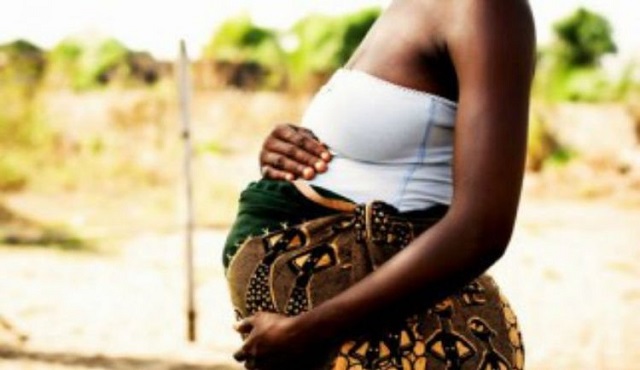
Kampala, Uganda | URN | Alaisha Nambi (not her real names) never completed Primary Seven because her parents could not afford to pay her school fees. At just 15 years old, she left school and moved to Kampala in search of work, where she found employment at a dry-cleaning business washing clothes.
While working in the city, Nambi was lured into a relationship by an older man. At the age of 15, she became pregnant.
Because of her young age and limited knowledge about reproductive health, she did not realize she was pregnant until she was about five months pregnant.
“I never loved the man who made me pregnant,” she recalls. “When I found out I was expecting, all I could think about was ending the pregnancy.”
Eventually, she got confidence in her mother and told her she wanted to terminate the pregnancy. According to Nambi, her mother supported the decision. They went to a nearby health facility, where they obtained medication. Without understanding what the drugs were or the risks involved, she was instructed to swallow them that evening.
Nambi says she experienced a lot of pain throughout the night and into the following day. The pain became so severe that she feared she would die. Eventually, the foetus came out.
The foetus was buried in a nearby garden. Years later, Nambi says the emotional scars remain. She still relives the pain she endured and is haunted by memories of the place where the foetus was buried.
“I still think about it; the pain has never completely left me,” she said. Nambi’s experience is one of thousands of stories shared by adolescent girls who face unintended pregnancies, often driven by poverty, limited education, inadequate access to reproductive health information, and unsafe abortion practices. For many, the physical dangers may eventually pass, but the psychological trauma can last for years.
Unsafe abortion remains one of Uganda’s leading causes of maternal mortality, accounting for between 8 and 26 percent of pregnancy-related deaths. Health experts estimate that about 1,500 women and girls die every year from complications linked to unsafe abortions, mainly severe bleeding and infection.
Every year, between 80,000 and 93,000 women seek treatment in health facilities for complications resulting from unsafe procedures. Despite the magnitude of the problem, unsafe abortion largely remains hidden. Many women and girls undergo abortions in secrecy, fearing criminal prosecution, social rejection, and condemnation from their religious and cultural communities.
Uganda has one of the highest estimated abortion rates in the region, with about 54 induced abortions for every 1,000 women aged 15 to 49. Yet access to safe abortion is extremely limited because the country’s laws permit abortion only under very restricted circumstances.
Religious teachings and deeply rooted cultural beliefs further shape public attitudes, making abortion one of the country’s most sensitive public health issues. For many young women, these legal and social pressures leave few options.
Religious leaders speak out
Religious leaders interviewed for this story insist that faith does not encourage unsafe abortion. Instead, they argue that religious teaching focuses on preventing unintended pregnancies through moral guidance, responsible sexual behaviour, and family values.
Dr Ziyadi Swaleh Lubanga, Director of Sharia at the Uganda Muslim Supreme Council (UMSC), attributes the increasing number of unsafe abortions partly to declining moral values within families and communities.
According to Dr. Lubanga, Islam prohibits abortion except where qualified medical professionals determine that continuing the pregnancy would threaten the mother’s life. He rejects the view that religion drives women to seek unsafe abortions.
Instead, he argues that religious institutions provide opportunities to educate young people and families about sexuality, family responsibility and the value of life, although such discussions often occur outside regular prayer sessions.
Reverend Father Kibuuka Bosa of the Orthodox Church shares a similar view. He says Christianity teaches that life begins before birth and should be protected. While abortion may be considered when doctors determine that the mother’s life is in danger, he says with such decisions the spiritual father, like the priest of her church, such a Christian, should again be notified.
Father Kibuuka believes churches help reduce unsafe abortion by discouraging behaviours that lead to unintended pregnancies rather than by condemning women who become pregnant. He says churches provide sexuality education through catechism classes, youth conferences and marriage preparation programmes.
Lilian Mugerwa, Women’s Director at the Seventh-day Adventist Church, says the church places greater emphasis on prevention than on responding after unintended pregnancies occur. She says the church promotes abstinence before marriage, public courtship, responsible relationships and parenting education.
For pregnancies resulting from rape, incest or defilement, she says the church educates women about the dangers of abortion while recognizing that medical decisions in life-threatening situations remain between the patient and healthcare professionals.
Mugerwa adds that the church increasingly provides psychosocial support to women facing unintended pregnancies rather than blaming or stigmatizing them.
She argues that while moral decline contributes to some abortions, other factors including fear, poverty, family rejection and changing social values also play significant roles.
Beyond religion, cultural beliefs continue to shape attitudes toward abortion.
Patrick Nkaada Katumba, former Parish Chief of Mutuba II in Nabweru, says traditional Buganda culture has historically viewed children as blessings and essential for preserving family lineage.
According to Nkaada, deliberately ending a pregnancy has traditionally been seen as preventing the birth of a future clan member. In the past, elders encouraged abstinence before marriage, faithfulness within marriage and responsible sexual behaviour. When unintended pregnancies occurred, families often sought solutions through mediation or marriage negotiations rather than abortion.
He says abortion was considered a serious moral offence capable of bringing shame not only to the woman but also to her family and clan. Although many Baganda today are Christians or Muslims, Nkaada notes that religious teachings largely reinforce these traditional cultural beliefs by opposing abortion except in limited medical circumstances recognised by some faith traditions.
The experiences of women like Nambi reveal a difficult reality.Uganda’s abortion debate is not shaped by law alone. It sits in-between public health, religion, culture and social expectations. Health experts warn that stigma and fear often delay women from seeking medical care after unsafe abortions, increasing the risk of severe complications or death.
Religious and cultural leaders, meanwhile, maintain that preserving life remains their central teaching while expanding programmes that provide sexuality education, parenting guidance, youth mentorship and psychosocial support.
These perspectives highlight a shared concern about protecting life but differ on how best to respond when unintended pregnancies occur. As Uganda continues to confront high rates of unsafe abortion, the challenge remains balancing deeply held religious and cultural values with public health interventions that reduce preventable maternal deaths and ensure that women and girls receive timely, compassionate healthcare.