The Independent Uganda: You get the Truth we Pay the Price


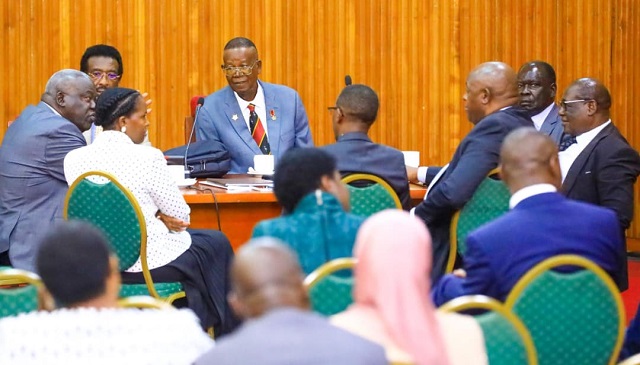
Kampala, Uganda | URN | The vetting of newly appointed Cabinet ministers has been overshadowed by a growing controversy over the eligibility of nominees alleged to hold dual citizenship, after the Leader of the Opposition, Joel Ssenyonyi, challenged their suitability for ministerial office. Speaking to journalists at Parliament on Monday, Ssenyonyi urged any nominees holding citizenship of another country alongside Ugandan citizenship to either renounce their foreign nationality or refrain from appearing before Parliament’s Appointments Committee.
“The law is clear. If these individuals are as competent as they are portrayed to be, they can serve Uganda in many other capacities. But for positions such as Cabinet minister or minister of state, the law places restrictions that must be respected,” Ssenyonyi said. His remarks have intensified debate over constitutional compliance and eligibility for public office, threatening to overshadow what would otherwise have been a routine vetting exercise.
While Uganda recognizes dual citizenship under the Constitution, the Citizenship and Immigration Control (Amendment) Act, 2009 bars dual citizens from holding several strategic public offices, including Cabinet minister and minister of state positions. Ssenyonyi argued that Parliament should not spend time vetting nominees whose eligibility could already be in question.
“There has also been concern about people who hold dual citizenship. The law says they cannot hold certain positions of responsibility, such as Cabinet minister or minister of state. That position of the law is not debatable,” he said. The controversy follows recent Cabinet appointments by President Yoweri Kaguta Museveni, with questions raised over the citizenship status of several nominees, including Adonia Ayebare, Calvin Echodu, and Lawrence Muganga.
Reports suggesting the three may hold citizenship in addition to their Ugandan nationality have fueled public debate, although none had appeared before the committee by the time Ssenyonyi addressed the media. The Opposition leader cited the recent case involving Justine Kasule Lumumba, whose appointment was revised after legal concerns emerged regarding her eligibility for the position. President Museveni later appointed Jane Ruth Aceng as Government Chief Whip.
Meanwhile, Minister-designate for Trade, Industry, and Cooperatives Sanjay Tanna dismissed speculation about his citizenship status following his appearance before the Appointments Committee. “The members asked me whether I hold dual citizenship. I told them that I do not have any other citizenship. I am a Ugandan, and I do not have any other passport,” Tanna said.
Tanna, who previously served two terms as Member of Parliament for Tororo Municipality, also addressed questions about serving in the same Parliament as his son, Shyam Tanna. “He came on his own merit. He contested, fought an election, and won. Mine is an appointment by the President,” he said. Responding to suggestions that his appointment marks a milestone for Uganda’s Indian community, Tanna stressed that his service transcends ethnic background.
“I may be of Indian origin, but I am Ugandan, born and raised here. My responsibility is to serve all Ugandans and particularly the people of Tororo who have entrusted us with leadership,” he said. As Parliament continues vetting President Museveni’s Cabinet nominees, the dual citizenship question has emerged as one of the most significant legal and political issues facing the incoming Cabinet.