The Independent Uganda: You get the Truth we Pay the Price


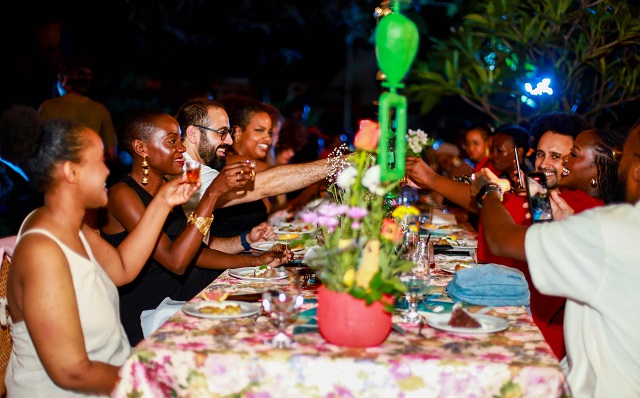
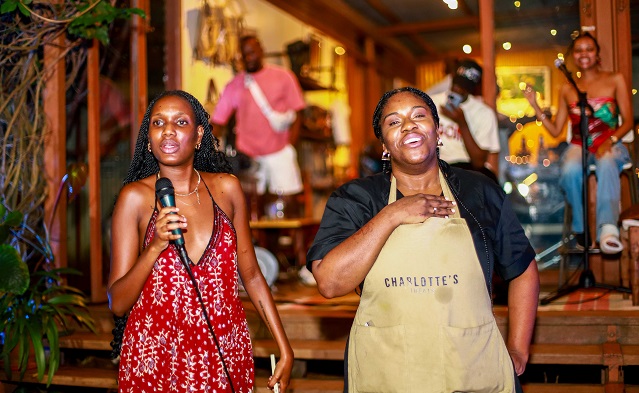
Kampala, Uganda | THE INDEPENDENT | What unfolded on Saturday evening in Kololo was more than a private dining event. At the latest edition of The Singleton Chef’s Table, British-Jamaican chef April Charlotte used food to tell a story of migration, memory and cultural inheritance, serving Kampala guests a menu rooted in history as much as flavour.
Hosted at Kardamom and Koffee and curated by The Singleton, the evening brought together food lovers, creatives and whisky enthusiasts for an intimate dining experience built around conversation, heritage and carefully paired courses.
Chef April began not with Jamaica, but with Uganda’s ingredients. She spoke enthusiastically about working with local produce, singling out Ugandan coffee and vanilla as standout discoveries, particularly vanilla, which she described as underappreciated despite its depth and quality.
The evening’s most unexpected moment came through a passionfruit hot sauce served alongside salted fish, a pairing she admitted had only revealed itself during final preparations.
“I didn’t know until yesterday that that could happen,” she said, drawing laughter from guests.
That spirit of experimentation ran through a menu that also became an introduction to Jamaican cuisine for many at the table. When Chef April asked how many guests were familiar with Jamaican food, only a few responded, turning the dinner into a lesson in culinary history.
She explained that Jamaican cuisine is shaped by multiple influences African, Indian and Caribbean reflecting centuries of movement, labour and adaptation. Salted fish, traditionally made with cod, was recreated using local tilapia, preserving the dish’s character while grounding it in Uganda.
The rice and peas course sparked one of the evening’s strongest cultural connections. Often mistaken for rice and beans, Chef April linked the dish to waakye, tracing its roots to Ghana and to histories carried across the Atlantic.
“I find it so beautiful,” she said, reflecting on how food preserves memory and identity long after migration.
Even cooking methods carried meaning. Smoked wings prepared with pimento wood referenced survival techniques used by enslaved people, who used smoke as both a cooking method and concealment.
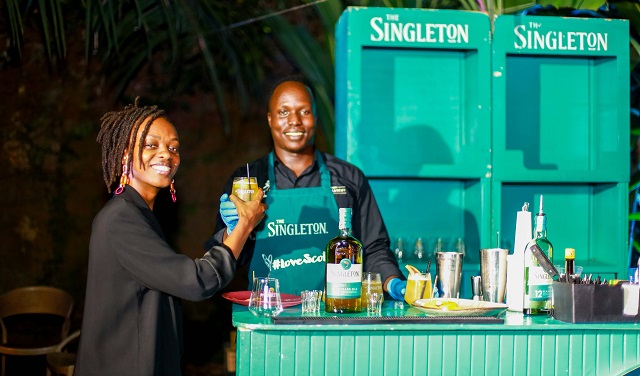
Behind the bar, cocktails were built to follow the same narrative. Preston, one of the evening’s bartenders and a trainer with Diageo Bar Academy, said the drinks were designed around the food rather than added afterward.
“The cocktails complemented the menu being served, thus it was an experience where cocktails were made based on the food served,” he said.
For Simon Lapyem, the dinner series is intended to create shared cultural moments beyond fine dining.
“We believe great food has the power to bring people together across cultures, and whisky plays a role in elevating that connection,” he said.
“Experiences like this are about more than pairing dishes with The Singleton, they are about storytelling, discovery and creating moments that people carry with them long after the table is cleared.”
Dessert closed the evening with a rich spirit-based plate combining The Singleton whisky with Jamaican, Mauritian and Ugandan rums, alongside dairy-free chocolate moelleux and banana fritters with coconut