The Independent Uganda: You get the Truth we Pay the Price


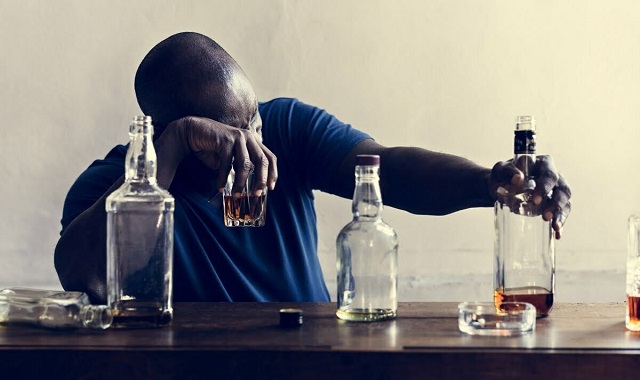
COMMENT | EMMANUEL NJUKI | Do consumers know what they are drinking, how it was produced and whether it is safe? This is a fundamental question in any discussion about alcohol and consumer protection, yet it often receives too little attention.
Every product intended for human consumption should meet basic safety requirements. Its ingredients and alcoholic strength should be known, it should be produced under hygienic conditions, packaged appropriately and traceable to an accountable producer. Yet a significant share of the alcohol consumed in Uganda falls outside these safeguards.
This challenge comes as the Government of Uganda moves to strengthen regulation of alcohol consumption and address concerns around the availability and sale of alcohol. Such efforts will be more effective if they also address the growing illicit alcohol market and the risks it poses to consumers.
According to research commissioned by the Uganda Alcohol Industry Association and conducted by Euromonitor International, the share of illicit alcohol in Uganda’s total alcohol volume increased from 64.5 per cent in 2020 to 67.3 per cent in 2024. This means that nearly seven in every 10 litres of alcohol consumed in the country are estimated to be illicit or unrecorded.
Illicit alcohol refers to alcohol produced or sold outside the standards and systems designed to protect consumers. This can include unlicensed production, counterfeit products, smuggled alcohol and products whose ingredients or alcoholic strength cannot be verified.
A 2025 study on the public health implications of illicit alcohol, conducted by Arrow Empirical Research & Skills Enhancement (AERSE) among consumers, producers and retailers in Kampala and Arua, found significant gaps in hygiene and production practices at some illicit alcohol sites.
The study identified the use of unsafe water, poor storage conditions and signs of contamination, as well as inconsistencies in alcohol content and the presence of methanol in some samples tested.
Consumers who purchase such products may have no reliable way of knowing what they are drinking, how strong it is or the conditions under which it was produced.
The consequences extend beyond individual consumers. Unsafe alcohol can place additional pressure on families and health services, while illicit production denies responsible businesses a fair opportunity to compete.
It also limits the growth of legitimate jobs across agriculture, transport, distribution and retail, while reducing the tax revenue available to support national and local development.
Protecting consumers therefore requires an approach that addresses both demand and supply.
Public education can help consumers understand the risks associated with products whose origins and contents cannot be verified. Responsible retailers can also provide an important first line of protection by refusing to sell alcohol to anyone below 18 years, purchasing products only from legitimate suppliers and helping consumers make informed choices.
Formalisation offers a more sustainable path for producers and retailers operating outside the established system. This requires clear and accessible standards, training, technical support and practical pathways through which businesses can meet hygiene, safety, licensing and record- keeping requirements.
The objective should be to expand compliance and consumer protection while taking firm action against deliberate counterfeiting, adulteration and other practices that put lives at risk.
Affordability must also be part of the conversation. Consumers with limited incomes can be drawn to the cheapest available products, even when their quality cannot be assured.
A balanced and predictable policy environment that keeps regulated products within reach is therefore an important component of consumer protection. Regulation should not unintentionally push consumers towards unsafe alternatives by making legitimate products inaccessible.
Uganda also needs stronger coordination among institutions. Local governments are closest to communities and have an important role in licensing, inspection and public education.
They should be supported by the ministries responsible for Health, Trade and Local Government, as well as the Uganda Revenue Authority, Uganda National Bureau of Standards, law-enforcement agencies, civil society and the formal alcohol industry.
The formal industry is ready to contribute through responsible-consumption programmes, retailer education, product traceability, data sharing and technical engagement.
The success of Uganda’s efforts should ultimately be measured by whether fewer consumers are exposed to unsafe products, more businesses meet the required standards and communities become healthier and more productive.
It should also be reflected in greater public confidence that alcohol offered for sale has been produced responsibly and can be traced to an accountable source.
Uganda has the institutions, standards and knowledge required to make meaningful progress. What is needed now is a shared commitment to put consumer safety at the centre of every intervention.
Through education, responsible retailing, formalisation and coordinated enforcement, Uganda can build a safer and more accountable alcohol market while protecting consumers, supporting responsible livelihoods and contributing to national development.
****
 Emmanuel Njuki is Chairperson of the Uganda Alcohol Industry Association and Head of Legal and Corporate Affairs at Nile Breweries Limited.