The Independent Uganda: You get the Truth we Pay the Price


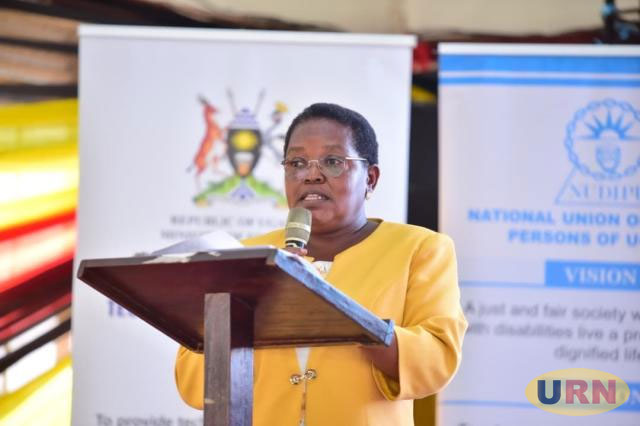
Kampala, Uganda | URN | As the Ministry of Education and Sports moves towards promoting inclusive education, stakeholders are warning that the shift should not result in the complete disappearance of specialised schools for learners with special needs. John Okea, the Tororo District Chairperson, is among those raising concerns over the proposed approach.
He says special needs schools remain essential and that rushing to phase them out could create serious problems. “We might lose the gains. If children who had been supported in a specialised environment are placed into ordinary classrooms without the same level of support, or even much higher, a number of them drop out somewhere in between,” he said.
Citing Tororo, one of Uganda’s older districts that has long benefited from special needs education programmes, with several specialised schools built and functioning over the years under earlier government and donor-supported initiatives, Okea said the government’s push to mainstream learners, so that those with special needs study alongside their peers in ordinary classrooms, has already led to some children dropping out.
He cited the example of Agururu Primary School, which was originally an SNE institution but was mainstreamed. Since then, he said, the number of SNE learners at the school has dropped, raising questions about whether those learners transferred elsewhere or simply dropped out altogether.
He argued that inclusive schools may not be able to adequately meet the needs of every learner, particularly those with severe disabilities, and urged government to carefully consider this reality. The concern comes against a backdrop of persistent exclusion. An estimated 16 percent of school-age children in Uganda have special needs, yet only about two percent of primary school learners are currently enrolled as SNE students.
Uganda is currently developing an inclusive education policy, which is before Cabinet. The policy is expected to guide how the country balances mainstreaming with the continued need for specialised support. Sarah Bugosi, the Commissioner for Education Technical Support at the Ministry of Education and Sports, agreed that inclusive education will not mean the complete closure of specialised (exclusive) schools. She explained that the ministry continues to operate three categories of schools: inclusive schools, integrated schools, and exclusive schools.
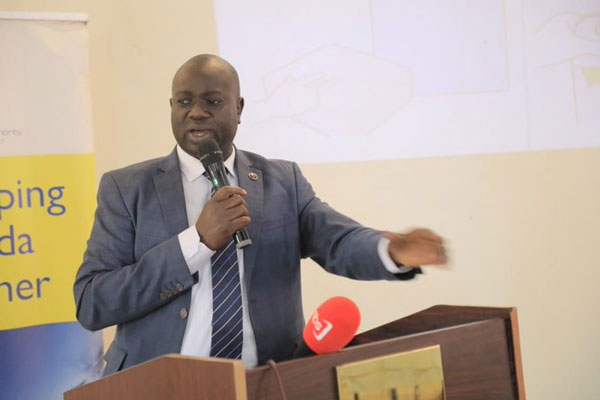
She said that although there is a global push toward inclusion, many countries continue to keep special schools fully operational to cater for severely disabled learners who require specialised support that an inclusive setting may not be able to provide. She cited the example of Singapore, which runs a significant number of government-funded Special Education (SPED) schools, managed by social service agencies but funded and regulated by the Ministry of Education.
A comparative review by our reporter found that the schools serve children with moderate to severe needs, such as significant intellectual disability, multiple disabilities or profound sensory impairment. They operate alongside the mainstream inclusive system and receive funding of up to four times the rate of an ordinary school place, reflecting the intensity of support required.
Beyond the question of keeping special schools open, Okea also criticised the government over funding levels, saying the one million shillings sent by the ministry to districts for special needs education activities per term is too little to support meaningful work. He added that the capitation grant for SNE learners is inadequate and needs review.
Bugosi acknowledged the funding concerns but said the matter currently remains a non-funded priority. She observed that increasing the allocation from one million shillings to five million shillings would make a noticeable difference.
On the SNE capitation grant, she said that although the amount is small, it is heavily abused by some schools that wrongly declare ordinary learners as having special needs by inflating the numbers and further stretching already limited resources.
The problem of schools falsely declaring SNE learners was earlier raised by the Uganda National Examinations Board (UNEB), which noted that some schools misuse the SNE category to secure extra examination time, interpreters and transcribers for candidates who do not actually require them, giving those learners an unfair advantage.