The Independent Uganda: You get the Truth we Pay the Price


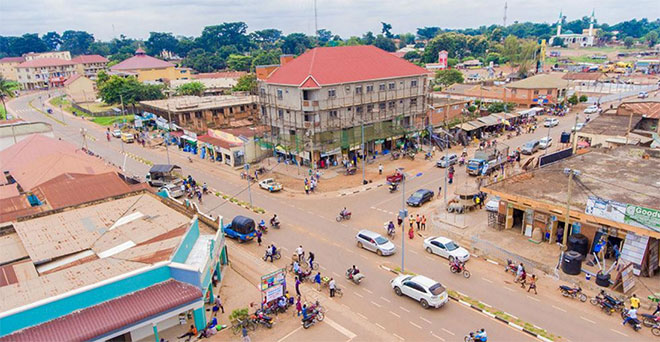
Urban centres are projected to contribute up to 70 per cent of the country’s GDP, underscoring the importance of structured urban development
NEWS ANALYSIS | THE INDEPENDENT | Uganda is set to roll out a Shs 2.1 trillion urban infrastructure programme next financial year, backed by the World Bank, as authorities seek to accelerate city development and improve basic services.
The UCMID programme, which will run from 2026/2027 to 2030/2031, is a successor to the Uganda Support to Municipal Infrastructure Development (USMID) programme, also funded by the World Bank, and is designed to accelerate urban transformation and improve infrastructure across the country.
According to the Minister for Lands, Housing and Urban Development, Judith Nabakooba, the programme will not only focus on urban infrastructure but will also streamline land ownership in 13 refugee-hosting districts. This includes supporting landowners in these areas to acquire formal land titles, a move expected to reduce disputes involving host communities, refugees and the government.
10 cities, 26 municipalities
The World Bank Board approved the funding on March 30, with the programme targeting 10 cities, 26 municipalities and 13 refugee-hosting districts. It is expected to directly benefit about 5.6 million people, including 1.6 million in refugee-hosting areas.
In addition to land management, the programme will support the construction of markets in refugee-hosting communities to stimulate trade and strengthen economic ties between refugees and host populations.
In urban areas, UCMID will address persistent challenges such as poor road infrastructure, flooding, inadequate solid waste management and limited employment opportunities. Planned interventions include upgrading urban roads, improving drainage systems, enhancing waste management and developing better-planned public spaces, including pedestrian walkways and designated boda-boda parking areas to improve mobility and safety.
The programme is also expected to create approximately 20,000 permanent jobs, including 5,000 specifically for refugees and host communities, while supporting small businesses and boosting household incomes, particularly among youth and women.
Currently, about 27 per cent of Uganda’s population lives in urban areas, with the figure growing at an annual rate of 5.2 per cent. Urban centres are projected to contribute up to 70 per cent of the country’s GDP, underscoring the importance of structured urban development.
By promoting economic opportunities in regional cities, the government and the World Bank aim to ease congestion in Kampala while strengthening institutional capacity for urban planning and management across the country.
Legal agreements
On the next steps, Ms Nabakooba said the government will finalise legal agreements with the World Bank, conduct stakeholder sensitisation and begin procurement for infrastructure works. She also urged local governments to comply with environmental and social safeguards to ensure smooth implementation.
The financing package includes $429 million in International Development Association (IDA) credit, $80 million in grants and $31 million as a shorter maturity loan. New municipalities set to benefit from the programme include Bugiri, Bushenyi-Ishaka, Ibanda, Iganga, Kapchorwa, Kisoro, Kotido, Koboko, Kumi, Masindi, Mityana, Nebbi, Njeru, Rukungiri and Sheema.
These will join the ten cities of Arua, Fort Portal, Gulu, Hoima, Jinja, Lira, Mbale, Mbarara, Masaka and Soroti, as well as municipalities such as Apac, Busia, Kabale, Kamuli, Kasese, Kitgum, Lugazi, Moroto, Mubende, Ntungamo and Tororo.
The programme will also cover 13 refugee-hosting districts: Adjumani, Arua, Isingiro, Kamwenge, Kikuube, Kiryandongo, Kyegegwa, Lamwo, Madi-Okollo, Moyo, Obongi, Terego and Yumbe.