The Independent Uganda: You get the Truth we Pay the Price


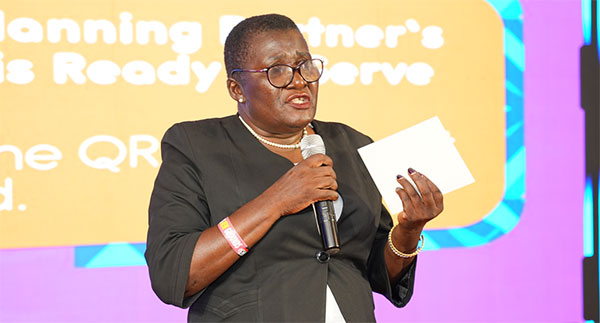
Kampala, Uganda | NEWS CORRESPONDENT | By the time many people retire, they begin winding down. Not Rachel Kabala.
Energetic and purposeful, Kabala is the kind of person who seems to have replaced the word “retirement” with “reinvention”. A retired corporate executive, she now runs a law firm in Wakiso, works as a professional arbitrator, and lectures part-time at the Insurance Training College (ITC). Her schedule is full, her spirit is lively, and her financial life remains steady, thanks to one decision she describes as life-changing: investing in a lifetime annuity.
For Kabala, retirement was never going to mean sitting still. But like many professionals approaching the end of formal employment, she faced a difficult question: what happens when the monthly salary stops?
Having risen through the ranks at the Insurance Regulatory Authority (IRA) to become Acting Secretary to the Authority, Kabala had built a respectable career and accumulated retirement savings through a provident fund. Yet she understood a hard truth many retirees overlook, that receiving a large lump sum can be both empowering and dangerous.
“Without a clear long-term plan, that money can disappear much faster than people imagine,” she says. As retirement approached, Kabala began exploring ways to preserve her income and maintain financial independence. While she was familiar with investments such as unit trusts, she was looking for something more practical, a solution that could replace the certainty of a monthly paycheque.
That solution came in the form of a lifetime annuity from ICEA LION Life Assurance. Introduced to the concept shortly before retirement, Kabala saw in the annuity something many retirees crave but rarely secure: predictability. She invested UGX 200 million from her retirement savings into the plan, converting a portion of her wealth into guaranteed monthly income for life.
“I cannot just access the bulk of it on impulse,” she says with a smile. “Instead, I receive a guaranteed payment every month. It effectively replaced my salary.”
That regular income has done more than pay bills. It has preserved Kabala’s dignity and given her the freedom to continue building the life she wants.
Running a law firm in Wakiso comes with the uncertainties familiar to many entrepreneurs. Clients do not always pay on time, and business cash flow can be unpredictable. But Kabala says her annuity has become a dependable financial anchor, allowing her to comfortably cover office rent, salaries, and operational costs without panic. Beyond her professional life, the stability has extended into her community.
Kabala uses part of her monthly income to pay school fees for underprivileged children in her area, supporting families who struggle with tuition. In church, she remains an active contributor to both routine giving and development projects. “The policy keeps me relevant,” she says. “I am still able to contribute meaningfully, support others, and remain financially independent.”
Even end-of-life planning has become less burdensome. A portion of her income supports a funeral plan linked to the policy, helping her prepare for future family obligations with confidence. “At times of burial, I do not have to burden people too much,” she says. “I know I can handle these responsibilities honorably.”
Kabala believes one of the greatest benefits of an annuity is not simply income, but peace of mind. In a culture where retirement wealth is often quickly invested into visible assets such as buildings or land, she acknowledges that convincing others can be difficult. “In our society, people prefer something tangible,” she says. “We like to see a building or buy land. We are less accustomed to allowing money itself to work for us.”
Yet Kabala sees annuities as an overlooked tool for retirees seeking stability, discipline, and protection against longevity risk, the possibility of outliving one’s savings. Unlike lump-sum payouts, which can be eroded by poor planning, family obligations, inflation, or impulsive spending, annuities create structure. They ensure retirees continue receiving income long after employment has ended, preserving lifestyle and reducing dependency on relatives.
Kabala has since become an informal ambassador for the product, sharing her experience widely among peers and encouraging them to think beyond traditional retirement habits. For her, the annuity did not simply provide money. It safeguarded her independence.
Today, well past 55, Rachel Kabala is not just surviving retirement; she is thriving in it. And in a world where many fear life after employment, her story offers a compelling lesson: retirement is not only about how much money you save but also how wisely you choose to turn it into income that lasts a lifetime.