The Independent Uganda: You get the Truth we Pay the Price


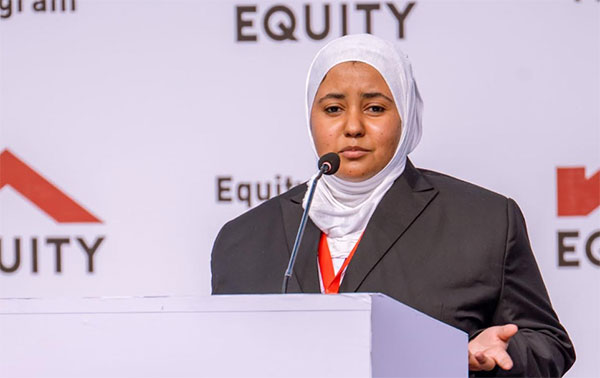
Kampala, Uganda | NEWS CORRESPONDENT | For many young Ugandans, education is more than a pursuit of academic success. It is a bridge to opportunity, leadership, and transformation.
For Fatmah Yusuf Gram, a young scholar from Fort Portal, that bridge became clearer through the Equity Leaders Program (ELP), a flagship initiative under the Equity Group Foundation that aims to nurture a new generation of purpose-driven leaders across Uganda.
Fatmah’s journey reflects a growing movement among young Ugandans whose lives are being transformed through access to mentorship, leadership development, and exposure to professional environments that were once beyond reach.
Her story is both personal and symbolic. Before joining the program, Fatmah viewed banking and leadership through a limited lens.
“I thought banking was simply about loans, money transfers, and keeping money safe,” she explains. “But through this program, I discovered that Equity is much more than a bank.”
That realization marked the beginning of a broader shift in her thinking. Through the Equity Leaders Program, scholars are exposed to structured mentorship and practical leadership experiences designed to reshape how they view themselves, their careers, and their role in society.
Participants engage with senior professionals across departments, including finance, operations, human resources, risk management, and strategy, offering them a rare behind-the-scenes look at how institutions operate and how leadership decisions are made.
For many students, this is their first meaningful interaction with a corporate environment. It is also often their first time seeing leadership as something grounded not in titles but in service, collaboration, discipline, and vision.
A message that particularly resonated with Fatmah came from Equity Bank Uganda Managing Director Gift Shoko, who challenged scholars not to allow their surroundings to define their future.
“Do not allow the circumstances around you to define who you are,” he told participants. For many scholars, these words carry profound meaning.
Uganda is home to a youthful population filled with ambition, but many young people still face barriers including limited access to mentorship, professional networks, and career guidance.
Another lesson that stood out for scholars came from Tony Otoa, who challenged students to move beyond societal assumptions and define themselves on their own terms.
“They think they know you,” he reminded them, a statement that reinforced the program’s strong focus on identity, self-awareness, discipline, and intentional growth.
Many students enter with excellent grades but limited exposure to leadership and corporate environments.
Fatmah says the experience has changed how she views success. It is no longer simply about personal achievement, but about impact. The program has also contributed to growing participation among young women, reflecting a deliberate commitment toward inclusive leadership development and empowering more female scholars to pursue leadership roles across sectors. Across Uganda, thousands of high-performing students have benefited from the initiative, creating a growing network of scholars equipped with the tools, mindset, and confidence to drive change in their communities.
For scholars like Fatmah, the journey is no longer just about passing exams. It is about preparing to lead, serve, and shape Uganda’s future.