The Independent Uganda: You get the Truth we Pay the Price



Jinja, Uganda | URN | Jinja city-based Nalufenya Children’s Hospital has disclosed that they handle a whopping 800 cases of Sickle Cell disease every month. James Kitonsa, a pediatrician at the hospital, says that their monthly sickle cell disease (SCD) clinic’s load has grown from 760 in 2024 to 800 per month this year.
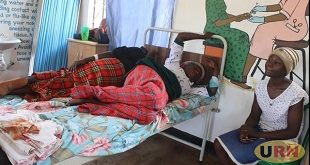
Most of these, he says, present severe cases of sickle cell anaemia, requiring urgent blood transfusions and related care to avert infant mortality. Kitonsa credits a team of dedicated health workers, who are ready to attend the sickle cell sufferers at all times without fail, a move he says to lower the number of deaths among the patients, especially those reporting to the facility for the first time.
The children, he says, are admitted at least three times from their reporting date monthly, largely due to a lack of patient management skills in the homes, necessitating their seeking expert healthcare services from the hospital. Kitonsa, however, says that six of these children die monthly due to a lack of timely access to hydroxyurea, a key drug required in the management of the sickle cell disease.
Zubeda Kalikwani, a mother of four children from Kamuli district, shares her plight of managing her young ones struggling with the sickle cell disease for the past 11 days. Kalikwani says that she lost one of her sons to sickle cell disease in 2024 after he suffered a severe attack in the late-night hours.
Kalikwani says that she had run out of funds to purchase the hydroxyurea drugs for about two weeks, causing her son to slowly lose the capacity to fight the extensive effects of sickle cell disease. “My son suffered a dangerous attack in the middle of the night at around 9:40 PM, and by the time the bodaboda rider arrived to rush us to Kamuli general hospital, my boy was already dead,” she says.
She adds, “I have two other children with sickle cell disease, but due to a lack of resources to promptly restock their medicines, I daily live in fear of losing them at any time.” Kalikwani raises the need for increased supply of medications required in the management of sickle cell at all government-managed health facilities, which include; hydroxyurea, folic acid, and penicillin, a move she says will enable parents like herself to ably treat and raise their children until adulthood.
Busoga sub-region is the most sickle cell disease-burdened area in the country, at 20%, with some districts registering between 24 and 25%. According to the Ministry of Health’s maternal report of 2023, some 20,000 children are born with sickle cell disease (SCD) annually. Sadly, 5000 of these are from Busoga.
This high SCD burden is largely blamed for the high rate of carrier intermarriages within the sub-region, which has partly empowered the genetic trait of this disease to maintain its grip in the area. Also, low pre-marital sickle cell screening rates among couples have furthered the disease burden, since most of the future parents give birth to children while unaware of their genetic history, which has contributed to an increase in the number of recurring infections.
The other cause of high sickle cell burden in Busoga is the existing knowledge gaps among parents, most of whom are unaware that, SCD is among the leading causes of death among children below five years in the Busoga sub-region. A report by Busoga Health Forum-BHF indicated that 92% of parents in the Busoga sub-region have never screened their children for sickle cell disease, nor are they willing to start the process in the future.