The Independent Uganda: You get the Truth we Pay the Price


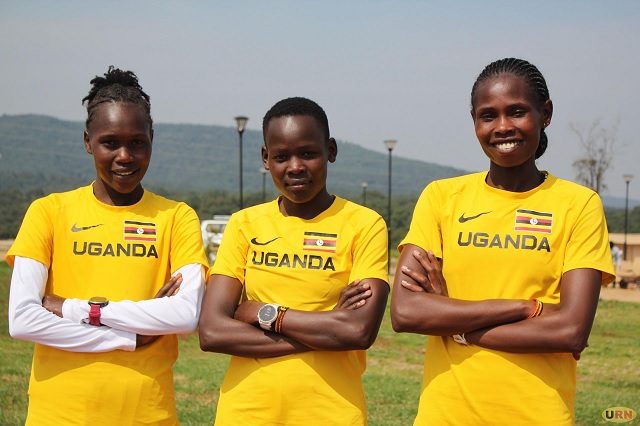
Kampala, Uganda | URN | The future of female athletics development in Uganda is under growing scrutiny following the withdrawal and downsizing of athlete management camps.
The changes have alarmed athletes, coaches and sports administrators, who fear that reduced investment in athlete management programmes could weaken efforts to develop the next generation of female champions.
For years, athlete management camps have been central to Uganda’s athletics success.
They have provided accommodation, coaching, nutrition, medical care and opportunities to compete internationally. Many young athletes, particularly girls from disadvantaged backgrounds, have depended on these programmes to launch their careers.
Among the camps affected is Xurica Athletics Management, which promotes Adidas.
The company scaled down its residential camp in Kapchorwa in June 2026 after operating the programme since 2024.
Although it continues to manage some athletes, the closure of the residential facility has reduced access to accommodation, structured training and welfare support for several runners.
Another programme that ceased operations was the US-managed High-Altitude Training (HAT) camp, which operated between 2022 and 2023.
The camp reportedly closed following the death of its proprietor, Julian Mahamoud.
Its closure left many athletes, particularly female runners, searching for alternative training and support.
Former Xurica Athletics Management manager Quinto Oding says management companies often face financial challenges that affect their operations.
“Athletics today is also a business. It is a win-win situation between sponsors and athletes,” Oding says.
He says maintaining residential camps requires substantial financial resources. Sponsors may therefore review their commitments based on financial realities and performance expectations.
While declining to comment on factors affecting the performance of female athletes, Oding says women require specialized support systems to maximize their potential.
He hopes residential programmes suspended by some sponsors will eventually resume.
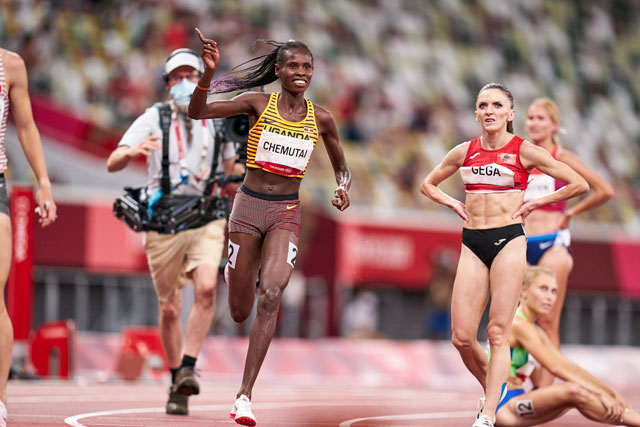
Olympic gold medallist Peruth Chemutai says the reduction in management support could have far-reaching consequences for female athletes, who often require specialized care and long-term development opportunities.
Chemutai established an athletics academy that initially operated in Nakapiripirit District before relocating to Kapchorwa District.
The academy currently supports more than 15 young athletes, most of them girls. She says investing in vulnerable but talented athletes is critical to securing the future of the sport.
“Sometimes we have to think beyond borders. I love supporting vulnerable athletes as long as they are talented. That is why I chose to start by supporting girls and a few boys from Karamoja,” Chemutai says.
According to Chemutai, athletics is about more than winning medals. She describes it as a platform for social transformation, empowerment and regional integration.
Meanwhile, Priscilla Kusuro, Chief Executive Director of Sebei Transformation Initiative (STI), says athlete development should involve a broader range of stakeholders, not just sponsors and management companies.
Kusuro says cultural institutions, community leaders and civil society organisations can help mentor athletes, safeguard their welfare and provide safe channels for reporting abuse or exploitation.
“It is very important to have all stakeholders on board to see how we can empower girls and not depend only on management companies,” she says.
She adds that cultural barriers and fear often prevent female athletes from speaking openly about the challenges affecting their careers.
Upcoming athlete Prisca Chebet says management camps have played a vital role in developing young female athletes by providing structured training and opportunities that many families cannot afford.
She says residential camps offer much more than athletics training. They provide mentorship, welfare support and hope for a better future. “Many girls come from poor families and athletics camps become a second home where they receive guidance, training and hope for a better future. If some of these programmes withdraw, many talented girls may fail to realize their dreams because their parents cannot afford to support them,” Chebet says.
Chebet calls for stronger collaboration among sponsors, athletics authorities and local communities to ensure female athletes continue receiving the support needed to compete at national and international levels. Responding to concerns about athlete development, Uganda Athletics (UA) president Dominic Otuchet says the federation remains committed to identifying talent and promoting women’s participation despite changes in sponsorship arrangements. Otuchet says the federation’s club network and regional development programmes continue to provide opportunities for athletes, even when management camps scale down their operations.
“Despite the sponsorships from various partners in athletics, the federation remains committed to talent identification and development, especially for women athletes. We have athletics clubs across the country, and athletes can still benefit from services offered through their club management structures,” Otuchet says.
He describes management companies as important partners in the growth of athletics and urges them to engage the federation whenever challenges arise.
“We have laws governing athletics in Uganda, and they are very clear. Sponsors and management companies should engage the federation before withdrawing so that any issues can be discussed and addressed,” he adds.
Uganda still hosts several athlete management organisations, including Global Sports Communication, which operates a residential training camp, and Rosa Associati, which maintains a camp in Kapchorwa.
Xurica Athletics Management has scaled down its residential operations but continues to manage several athletes.
Management camps have been instrumental in Uganda’s athletics success. They provide training facilities, welfare support, professional coaching and other essential services that prepare athletes for regional and international competition.
Athletics remains Uganda’s most successful sport, producing Olympic, World Championship and Commonwealth medalists who have raised the country’s global profile.
The sport has also boosted tourism, particularly in the Sebei sub-region and other high-altitude training centres that attract athletes and coaches from around the world.
Stakeholders, however, warn that sustained collaboration between the federation, management companies, sponsors, communities and government agencies will be essential to safeguard the future of women’s athletics.
Without continued investment, many talented girls from rural and vulnerable communities risk being left behind despite Uganda’s growing reputation as a global athletics powerhouse.