The Independent Uganda: You get the Truth we Pay the Price


We should aim to get the same energy out of young people for the environment as they have for social media
COMMENT | ROZETA ACAYO | Young people today carry a lot of economic pressure, social media noise, job uncertainty, and mental health strain. In response, their commitments to life increasingly shift away from traditional expectations toward survival, adaptability, and self-sufficiency.
But one thing is clear: youth are deeply committed to social media as a means to building financial independence as well as a platform to amplify their voices and create relationships . That reality is visible in the rise of side hustles, digital entrepreneurship all normally known as “Kuyiliba.” This trend has become a way of life leaving behind important conversations like one’s environment that directly and indirectly contribute to their livelihood.
More interestingly, the same platforms that fuel entertainment and connection have also become tools of environmental survival. Posing the question; If social media has gone viral to highlight, address and capacitate young people’s livelihoods, relationships and entertainment, then why not make it trend with the environment?
Environmental issues like flooding, waste management, pollution, deforestation and many more continue to influence young people not in a subtle way and yet not loudly shared and discussed in comparison to say the dance challenges that go viral on an hourly basis.
The same environmental issues continue to shape everyday life: food prices, water access, health risks, urban living conditions, and even the stability of livelihoods young people are working so hard to build. For a generation focused on survival and progress, the environment is not a side issue, it is the foundation of that very progress.
The challenge, then, is not whether young people care. It is how we make environmental issues visible in the same way social media content competes for their attention.
Because social media understands attention. It is fast, visual, emotional, and personal. Environmental messaging, on the other hand, is often technical, distant, or framed in ways that feel disconnected from daily life. If environmental conservation is to matter to young people in a meaningful way, it must enter the same spaces they already inhabit, on their platforms, in their language, and through their lived experiences.
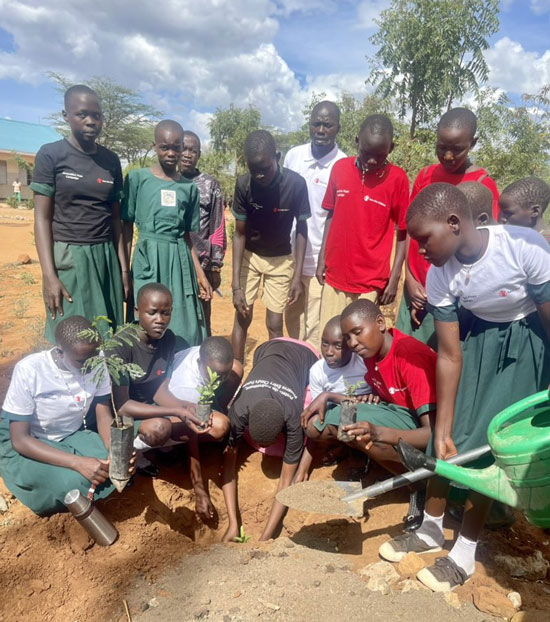
Imagine environmental action becoming part of youth culture, clean-up challenges, sustainability storytelling, recycling content creators, or green innovation businesses that reward responsible choices. Young people are not passive audiences; they are active creators. When environmental action becomes something they can do, share, and benefit from, it stops being a lecture and becomes part of identity.
But beyond trends and digital engagement, there is a deeper truth. Young people are not just users of the environment, they are its future custodians. The decisions they make today in consumption, waste, energy use, and advocacy will directly shape the world they inherit tomorrow. Environmental awareness must therefore move beyond awareness alone and become a practical life competency, just like financial or digital literacy.
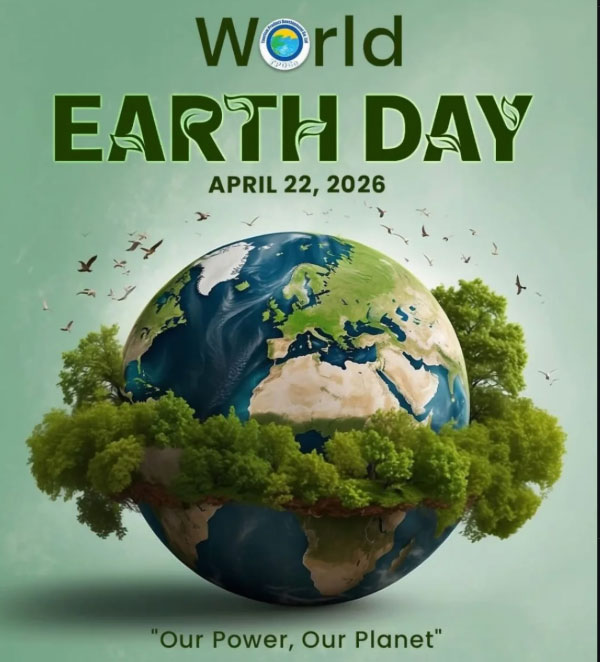
The just concluded Earth Day is a reminder of this responsibility. It is not just symbolic, it is a moment of reflection on whether the progress we are chasing is sustainable in the environment that supports it.
There is immense energy, creativity, and influence within young people today. They are shaping culture, building economies, and redefining communication in real time. The opportunity now is to extend that same influence toward the environment, not as an obligation, but as part of their everyday relevance.
Because in the end, a thriving digital life means very little on a dying planet.
*****
 Rozeta Acayo, Programs Officer, Reach A Hand Uganda