The Independent Uganda: You get the Truth we Pay the Price


Kampala, Uganda | URN | Uganda’s business environment is increasingly coming under pressure from the ongoing Middle East conflict, with rising fuel prices emerging as a major concern for traders and investors across the country.
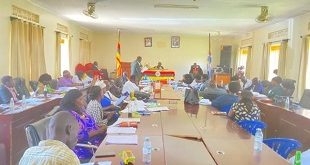
The concerns were raised on Tuesday during the dissemination of the Uganda Business Climate Index for the January–March 2026 quarter, conducted by the Economic Policy Research Centre at Kalya Courts Hotel.
According to the survey, the conflict has negatively affected businesses in Uganda through escalating fuel prices, increased shipping and freight costs, and reduced access to imported raw materials.
The crisis escalated in late February 2026 following joint U.S. and Israeli strikes on Iran, which disrupted global oil supply routes, particularly through the Strait of Hormuz, a critical channel for international crude oil shipments.
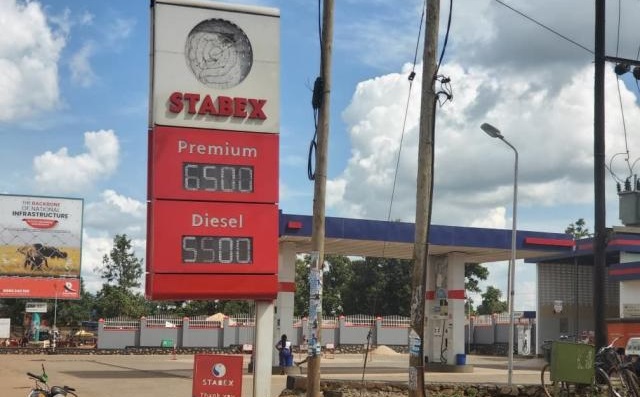
As a result, fuel prices in Uganda have risen sharply in recent months.
Petrol, which previously retailed at about 4,900 shillings per litre, is now selling between 5,500 and 8,000 shillings in different parts of the country.
Ferdinand Atwongyere said the increased fuel prices have triggered a rise in the cost of other commodities. He questioned why fuel prices continue to rise despite government assurances about the availability of fuel reserves.
“We are suffocating because of the fuel prices. Fuel is the heart of business in Uganda. Once fuel prices increase, transport costs also rise, and eventually every commodity becomes expensive,” Atwongyere said.
He called on the government to explain why fuel prices had increased by nearly one thousand five hundred shillings within a short period, despite reports that the country has sufficient fuel reserves.
Brian Aruho, another businessman, said the situation has been worsened by inconsistent fuel pricing across different stations nationwide.
Aruho noted that many businesses have registered losses due to the increased fuel costs, while others have been forced to raise the prices of goods and services.
“We understand that fuel prices have increased globally, but the challenge is that every fuel station now has its own price, and some have hiked prices excessively. Government should regulate the prices,” Aruho said.
Participants at the meeting urged the government to increase investment in strategic fuel reserves to cushion the country against global shocks and supply disruptions.
They also called for continued investment in the electricity distribution network to reduce power outages and improve reliability for industries and small businesses.
The survey further identified stiff competition, reduced consumer demand, high taxes, and unreliable electricity supply as some of the major challenges affecting businesses in Uganda.
Dr. Brian Sserunjogi said the survey was conducted to assess business performance, identify challenges affecting enterprises, and recommend possible policy interventions.
He noted that the Middle East conflict has significantly affected business confidence in Uganda because many sectors depend directly on fuel prices.
Despite the challenges, the survey indicates that business conditions in Uganda improved marginally, with the Business Climate Index rising from 100.1 points in October–December 2025 to 104.8 points in the first quarter of 2026.