The Independent Uganda: You get the Truth we Pay the Price


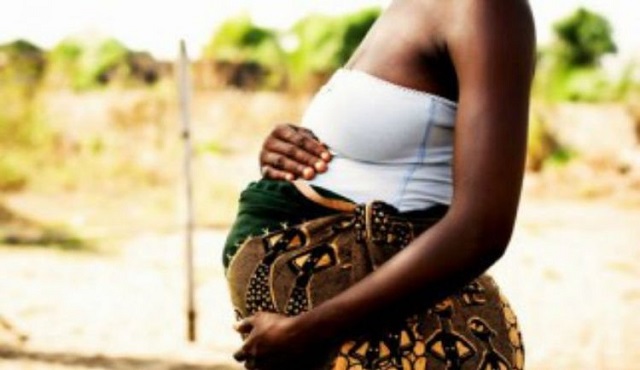
Kampala, Uganda | URN | At the age of 16, Sharon Namyalo found herself facing an unplanned pregnancy while still in secondary school. Fearful of her parents’ reaction and the stigma associated with teenage pregnancy, she turned to unsafe methods in an attempt to terminate the pregnancy — a decision that nearly cost her life.
Namyalo says she first tried traditional remedies and herbal concoctions, but when they failed, a friend directed her to a clinic in Nakulabye, where she underwent an unsafe abortion procedure. The procedure left her suffering severe complications, including persistent abdominal pain and heavy bleeding that lasted for weeks. According to Namyalo, her condition continued to deteriorate, but efforts to seek help from the same clinic proved futile as the doctor allegedly avoided meeting her whenever she returned for treatment.
After selling some of her school belongings to raise money, she eventually sought help from another health facility, where she received post-abortion care and recovered. Speaking to health journalists under the umbrella of the Uganda Health Journalists Association, Namyalo said her ordeal was partly due to a lack of information about sexual and reproductive health and rights (SRHR). She noted that neither her parents nor her school had provided adequate guidance on reproductive health, leaving her to make decisions based on fear and misinformation.
Namyalo’s experience reflects the reality faced by many women and girls across Uganda, where unsafe abortions continue to contribute to maternal illness and death. According to the Maternal and Perinatal Death Surveillance and Response Report for the 2024/25 financial year, abortion-related complications account for four percent of all maternal deaths in Uganda, translating to 189 deaths per 100,000 live births.
The report further indicates that the burden is particularly high in the Busoga sub-region, where abortion-related complications account for seven percent of maternal deaths, with most cases occurring among women aged 25 years and above. Speaking on the issue, Regina Nakubulwa, a senior midwife and nursing officer at Mulago Specialized Hospital, called for comprehensive and age-appropriate sexual and reproductive health education.
Nakubulwa said access to accurate information is essential in helping people make informed decisions about their health and preventing avoidable reproductive health complications. She emphasized that reproductive health education should target all age groups, with information tailored to different stages of development. “Every age group requires specific information suited to their stage of development. What a five-year-old needs to know is different from what a 13-year-old or an 18-year-old needs to learn,” Nakubulwa said.
She added that many young people now rely on peers and social media for information about sexuality, exposing them to misinformation and harmful myths. Nakubulwa noted that evidence-based reproductive health education in schools and communities is critical to addressing these challenges and improving health outcomes. She also expressed concern over the decline of youth-friendly corners in health facilities following funding cuts. According to Nakubulwa, these centres previously provided safe spaces where young people could seek information and guidance on sexual and reproductive health matters.
“The youth-friendly corners used to help young people freely ask questions about sexuality and their bodies that they could not ask their parents at home. However, such spaces have either been phased out or significantly reduced in health facilities, leading many young people to rely on misinformation from their peers,” she said. On fertility challenges, Nakubulwa urged communities to avoid blaming women whenever couples experience difficulties conceiving, noting that infertility can affect both men and women.
She stressed that access to accurate reproductive health information is a fundamental right that enables individuals to make informed choices about their health and future. Meanwhile, Tracy Nabbaale, a legal officer at the Women’s Pro Bono Initiative, said restrictive abortion laws continue to push many women toward unsafe procedures. Nabbaale explained that although health workers are legally permitted to provide post-abortion care, legal restrictions make it difficult for many women to access safe abortion-related services.
She further noted that the government’s withdrawal of previous safe abortion guidelines has created additional uncertainty among healthcare providers and women seeking services. Health experts say improving access to accurate reproductive health information, strengthening youth-friendly services, and increasing public awareness remain critical steps in reducing unsafe abortions and preventing avoidable maternal deaths in Uganda.