The Independent Uganda: You get the Truth we Pay the Price


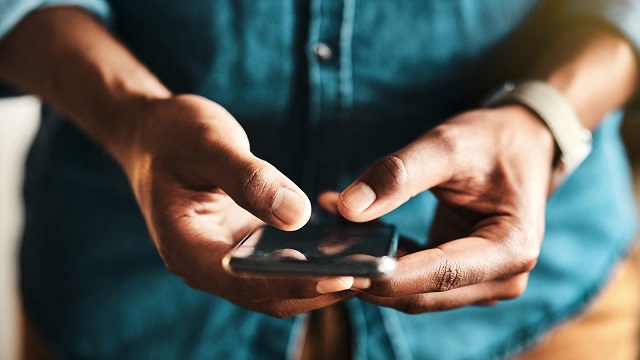
COMMENT | JUDITH HOPE KICOCO | Ugandans love their phones. We carry them everywhere — to work, to church, to the market, to the bathroom, even to bed. Our phones have become our diaries, our entertainment, our newsrooms, our gossip tables, our business hubs, and sometimes our emotional support systems. They are the first thing many people touch in the morning and the last thing they put down at night.
But somewhere in the middle of all this convenience, something else is happening: we are slowly losing control.
For me, the struggle shows up most clearly with TikTok. I won’t pretend – TikTok is currently my best app. And I hate that I love it. I hate how I can hold my small iPhone 13, open the app “just to check one video”, and then suddenly realise I’ve watched ten or more without even noticing the time passing. It feels like being pulled into a colourful whirlpool — you know you should stop, but the next video is already loading.
A few months ago, I even asked one of my sisters whether people were dying more than before. Because every time I opened TikTok, it was tragedy after tragedy. If it wasn’t a bus accident, it was a boda-boda crash. If it wasn’t that, it was a murder case or a missing person. My sister told me these things have always been happening — I was just seeing too much of it because I was on social media too much. And she was right. I had allowed the algorithm to shape my mood, my fears, and my sense of reality.
So I took a small break. Nothing dramatic — just a pause. And I became intentional about what I was doing with my time. I realised how much calmer I felt when I wasn’t constantly scrolling. And yes, some people can testify to this, especially those who ask why I haven’t replied to their chats after three or more days. The truth is simple: I am being intentional. Sometimes I even go all the way and refuse to charge my phone when the battery dies. I let it rest. I let myself rest.
Two days ago, my baby sister reached out asking, “Where is your phone?” — complete with the shrugged‑shoulder emoji to show her frustration. For a moment, my heart jumped. I panicked, thinking there was an emergency at home that I had missed. When I opened my chats, I realised I hadn’t read her messages sent more than eight hours earlier. I tried to explain why, and I hope she understood. But that moment reminded me how deeply our families expect us to be reachable at all times — and how unusual it feels when someone is not glued to their phone.
It is challenging — sometimes painfully so — to have your phone in your hand and not scroll. Social media is designed to win. It is designed to keep us hooked. And Ugandans are hooked. According to the Uganda Communications Commission, Ugandans spend an average of 3–6 hours a day on their phones, with young adults often going beyond 7 hours. TikTok, WhatsApp, YouTube, and mobile gaming are some of the biggest culprits.
We scroll in taxis, in offices, in bed, in church parking lots, and even during family gatherings. We scroll when we are bored, when we are stressed, when we are lonely, when we are avoiding something, and sometimes simply because the phone is there.
And yet, the more connected we become, the more disconnected we feel — from ourselves, from our thoughts, from the quiet moments that used to help us breathe.
I have started doing something that surprises even me: I leave my phone at homewhen I am going out for a few hours. Not always, but often enough to feel the difference. The first few times, I felt exposed. Then I felt free. I could walk, observe, think, and simply exist without the constant urge to check something. It reminded me that life is happening in front of me, not inside a screen.
Digital wellness is not about deleting apps or pretending we don’t enjoy them. It is about recognising when the phone is controlling us instead of the other way around. It is about choosing rest over noise. It is about reclaiming our attention, our peace, and our time.
And as I write this, I am also reminding myself that I need to keep doing it. I need to unplug more often. I need to resist the temptation to scroll endlessly. I need to protect my mind from the constant flood of information — especially the kind that leaves me anxious or drained.
So I am asking: who is coming with me on this digital wellness journey? We don’t have to do it perfectly. We don’t have to disappear from the internet. We can start small — a few hours without the phone, a day without TikTok, a weekend with fewer notifications. We can test it, observe how it makes us feel, and adjust.
Uganda is changing. Our digital habits are shaping our mental health, our relationships, and our sense of reality. If we don’t learn to unplug, even in small ways, we risk losing the very peace we are trying to find online.
Let’s choose balance. Let’s choose rest. Let’s unplug to stay well — one intentional step at a time.
*****
 Judith Hope Kiconco BSN, RN, MPH – Midwife and Public Health Specialist