The Independent Uganda: You get the Truth we Pay the Price


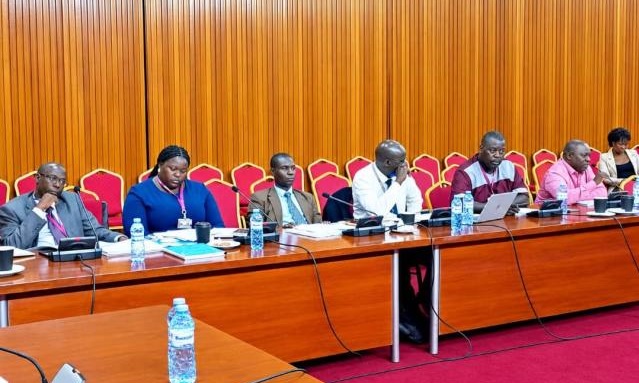
Soroti, Uganda | URN | Exhausted health workers at Soroti Regional Referral Hospital are being forced to stretch across shifts and attend to dozens of patients at a time, with severe understaffing increasingly affecting their responsiveness and interaction with patients, Parliament has heard.
Dennis Katinda, the hospital’s Senior Human Resource Officer, told the Parliamentary Accounts Committee (PAC) Central that staff shortages had left workers physically and emotionally overwhelmed, with some nurses working beyond their designated shifts to keep services running. “You see, a tired person, you can see hostility coming in,” Katinda told MPs, explaining that workers overwhelmed by large numbers of patients become exhausted, affecting their responsiveness to clients.
He said wards that should have four or five nurses on a particular shift sometimes operate with only one or two, with a single nurse at times responsible for more than 50 inpatients. The shortage has also forced the hospital to effectively collapse some shifts, with nurses moving from day duty into the evening, while those assigned to night duty report earlier to provide additional cover.
The revelations came as hospital management, led by Director Dr Ben Watmon, appeared before PAC Central to respond to queries raised by the Auditor General for the 2024/2025 financial year. Soroti Regional Referral Hospital has only 268 of its 1,235 approved positions filled, leaving 967 vacancies and putting the hospital’s staffing level at about 22 percent.
Katinda said the shortage was particularly challenging because the same small pool of health workers must also leave the hospital to conduct supervision, mentorship and support activities at lower health facilities across the region. The situation could worsen following the expected departure of donor-funded workers. About 30 contracted staff supporting services such as HIV and chronic care are expected to leave following cuts in aid.Some of the workers had already stopped providing services, while others were expected to leave by September 30. The staffing crisis has also affected specialised services, with critical vacancies including a critical care physician, radiologist and physicist.
Against the staffing crisis, PAC also questioned why millions of shillings worth of medical equipment procured for the hospital had not translated into functioning services. The Auditor General found that 17 pieces of medical equipment valued at Shs2.183 billion were idle and not in use at the time of the audit.
Three ventilators, each valued at about Shs357.2 million, reportedly lacked batteries or display monitors. Four ICU beds valued at Shs228 million each were also being used as ordinary beds because they lacked essential equipment, including mechanical ventilators and patient-monitoring systems.
The audit further established that two of the hospital’s three oxygen plants, each valued at about Shs200 million, were not operational. An oxygen plant procured during the COVID-19 period had also reportedly never been handed over to the hospital.
Watmon told MPs that much of the hospital’s equipment and infrastructure was old and outdated, arguing that Soroti requires a new hospital rather than continued piecemeal interventions. The committee, chaired by Jinja City Woman MP Sarah Lwansasula, also examined a number of financial and administrative issues at the hospital.
The Leader of Opposition’s report to PAC indicated that Shs3.672 billion had been spent on the UBTS Blood Bank without a memorandum of understanding. The report also cited Shs1.09 billion in expenditure outside the approved budget, while two ambulances valued at Shs640 million were off the road, with one reportedly unequipped.
On recruitment, Watmon said management had secured clearance to recruit 102 staff, including 12 positions intended to absorb workers affected by the withdrawal of US government-supported programmes. However, he told MPs that an earlier Shs2.2 billion supplementary allocation intended partly to facilitate staff absorption could not be utilised because the money arrived on June 22, only two days before the payroll system closed.
The money was subsequently returned, although Watmon said it had been restored in the current budget. The committee also questioned management over salary underpayments, pension payments and payroll anomalies. Management attributed several discrepancies to problems in the Human Capital Management system, including duplicated salary figures, missing deductions, zero salary entries and errors in combining pension and gratuity payments.
Officials admitted that some staff were being paid manually because their records had not been transferred correctly into the system. The practice drew concern from MPs, who questioned the authority under which management was making payments outside the normal payroll system. The hospital also reported pensioners who had waited for years for their benefits, with Watmon citing one case of a pensioner who had allegedly gone about 20 years without receiving pension payments.
Management linked some of the delays to the absence of an internal auditor. The hospital has reportedly operated without one for some time and is currently relying on support from Soroti University. PAC directed management to provide a status report on pensioners, including those who had been paid and those still awaiting their benefits. The committee also examined Shs625 million in domestic arrears, including Shs548 million associated with a disputed water meter.