The Independent Uganda: You get the Truth we Pay the Price


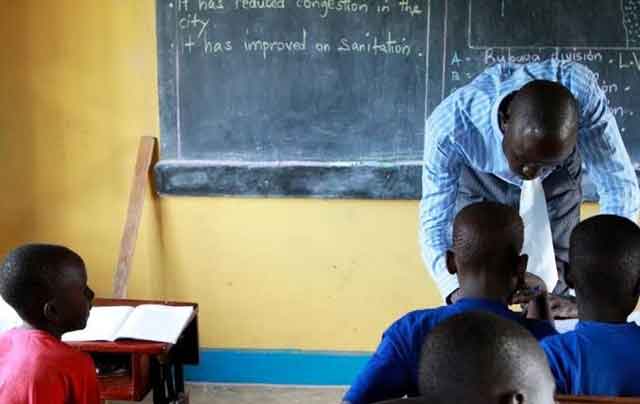
Kampala, Uganda | URN | The Ministry of Education and Sports has issued yet another directive warning schools against teaching learners during official holidays, a practice that has become almost routine at the end of every term despite repeated circulars.
This time, however, the ministry says it is moving beyond warnings. Dr. Cleophas Mugenyi, Commissioner for Basic Education, said authorities have now instructed local leaders, including Resident District Commissioners (RDCs), Chief Administrative Officers (CAOs), district police commanders, and town clerks, to actively enforce the directive by apprehending any schools or teachers found violating it.
According to the official 2026 school calendar, Term One ends on Friday, May 1, giving learners a three-weeks break before Term Two resumes.
The ministry has consistently maintained that this holiday period should be strictly observed to allow learners and teachers time to rest, recharge, and engage in non-academic activities. Yet many schools continue to conduct holiday lessons, a habit that parents and some education stakeholders say the ministry has tolerated for too long.
When asked why earlier directives have not been strictly enforced, Dr. Mugenyi drew a church analogy. He said people are reminded every Sunday not to sin, yet many still do, but the message does not stop. He added that stronger enforcement this time will involve RDCs, security agencies, and local leaders. He expects this coordination to reduce violations significantly.
While the ministry is cracking down on holiday teaching, there is another disturbing trends as some schools are deliberately closing earlier than scheduled, sometimes one or two weeks before the official break date. This practice shortens the mandatory 89 teaching days per term, undermining the quality and coverage of the curriculum.
However, critics remain sceptical about the latest directive’s impact. Fred Kintu Basajja Subi described it as “yet another empty pronouncement” that will likely be ignored, likening the ministry to “a barking dog that doesn’t bite.”
Kintu’s frustration stems from a long pattern of strong circulars that rarely translate into visible enforcement on the ground.
The Ministry of Education regularly issues firm guidelines aimed at restoring order, protecting learners, and improving school discipline. Yet implementation often falls short. Several high-profile directives illustrate this recurring challenge.
In August 2022, the ministry banned the invitation of performing artists to primary and secondary schools after videos of scantily dressed musicians engaging in suggestive dances went viral. Head teachers and principals were warned they would be held personally accountable. The circular urged schools to focus instead on drama, debates, and wholesome extracurricular activities.
Four years later, the ban remains officially in force, but many schools continue to host popular musicians. Social media platforms, particularly TikTok, are regularly flooded with videos of such events, including “freshers’ balls” and other music shows, raising fresh questions about enforcement.
Other directives that have struggled to take root include repeated warnings against carrying babies on boda bodas to and from school, and the 2025 instruction stopping the public display of individual learners’ examination results and photographs on school notice boards or websites.
These examples highlight a deeper issue: while the ministry is quick to issue circulars in response to public outcry or emerging problems, translating policy into consistent compliance across thousands of public and private schools remains difficult.
Several people have pointed to factors such as weak monitoring mechanisms, resistance from school proprietors seeking extra revenue through holiday classes, and limited resources for follow-up have often rendered directives ineffective. Meanwhile, Joyce Kaducu, the state minister in charge of primary education, noted that this time round the ministry will not tolerate teaching during holidays. She advised schools to avoid holding lessons during the three-week break and instead use the period to prepare learning facilities and align them with minimum standards before the second term begins.
As learners return home for the three-week holiday, the ministry emphasizes the role of parents in supervision and guidance. Kaducu urged parents to actively engage children in daily household activities, with special attention to the girl child to reduce risks of teenage pregnancy. She also called for close mentorship, counselling for boys during the holiday period.