 The Independent Uganda: You get the Truth we Pay the Price


Here is what it will take for Ugandans to save for investment, rather than emergencies
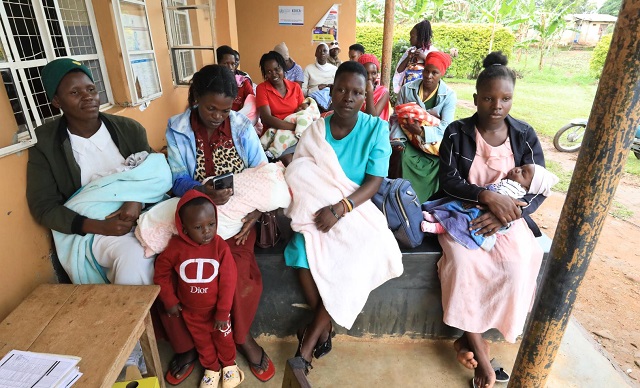
COMMENT | DIPHUS TUGUME | There has been an ongoing discussion about how to raise Uganda’s savings ratio from 19.3% of GDP in FY2023/24 to about 22.89% by FY2029/30. According to the Ugandan government’s Fourth National Development Plan (NDPIV), only 60% of Ugandans save, with 39% saving to meet regular daily expenses and about 14% saving to cover emergencies.
In nominal terms, the average Ugandan saved Shs 258,848 per month in 2023, an improvement from 2018, when over 80% of individuals saved less than Shs 150,000 at a time.
The problem is that much of that saving is defensive rather than transformative, since most Ugandans (58%) continue to save unsustainably, mainly for short-term needs rather than investment, leaving households exposed to shocks and limiting long-term progress.
Let’s say a market vendor who runs their stall by buying fresh stock daily and pays for transport, food, market dues (KCCA tax), and rent. She can make a profit or a loss. If we assume that she makes Shs 40,000 per day and pays Shs 30,000 in expenses, then the remainder (the profit) is not investment capital, as many say; it is a shock absorber. The same is true of a boda rider juggling fuel and repairs or a farmer in a village who may earn less than Shs 50,000 in a week. Such people save mainly to smooth consumption, not to buy productive assets such as land, treasury bills, bonds or stock.
Uganda’s economic structure makes sustained saving even harder. According to the UBOS Labour Market Survey 2025, 39.9% of the working-age population was engaged in pure subsistence agriculture and another 12.9% in other subsistence work, making a total of 52.8% of people aged 15 and above engaged in subsistence activities and thus rarely able to save sustainably for investment. Similarly, in 2025, 7,350,199 employees were recorded in informal businesses. No wonder only 3,791,074 Ugandans are in structured retirement arrangements, leaving about 17.6 million working people outside long-term saving.
The biggest leak of Ugandans’ savings is basic survival. Based on the Uganda National Household Survey Report 2023/24, households spend 44.2% of their monthly expenditure on food, 15.7% on housing and fuel, 8.5% on education, 6.2% on transport and 4.8% on health. On top of that, the median monthly out-of-pocket health care payment was Shs 15,000, and 14% of households incurred catastrophic health spending. So, when a child is sent home for fees or a parent falls sick, the small savings in the box, SACCO, or phone wallet disappear.
According to the International Monetary Fund (IMF) in “The East Asian Miracle: Building a Foundation for Growth”, high rates of economic development in East Asia have resulted from more than mere savings but from capital formation, both physical and human, driven by positive real interest rates and sound financial institutions such as capital markets. Importantly, these economies emphasised investment in public healthcare and education services, which helped families reduce risks and save for future investments.
For Uganda, this implies that economic transformation cannot come from savings that merely smooth consumption. Instead, sustainable, investment-driven saving will only emerge when the cost burden of essentials such as health, food, education, fuel, and transport, which take a large share of household expenditure (about 80%), is reduced. Without increasing disposable incomes and lowering these survival costs, Uganda will continue to produce emergency savers rather than true investment savers.
****
 Diphus Tugume is a Research Assistant at Environment for Development

I like how you’re focusing on sustainability beyond just the usual buzzwords. What specific changes have you noticed in wedding planning lately?