The Independent Uganda: You get the Truth we Pay the Price


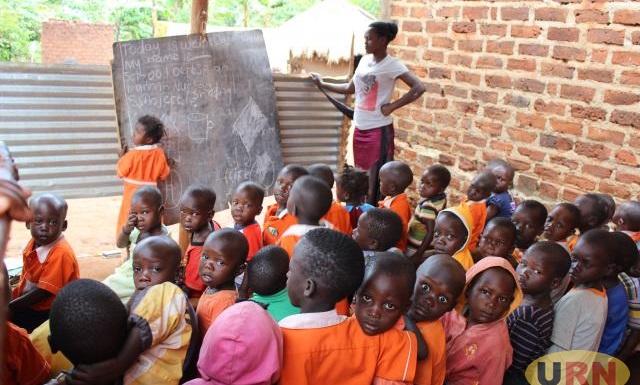
Kampala, Uganda | URN | The Ministry of Education rolled out a new Early Childhood Care and Education policy on Thursday.
It is expected that it wil address the long-standing sector concerns in early childhood care and education. Good as it may be, questions are emerging on how it will be implemented.
The policy, the first of its kind in Uganda, responds to long-standing concerns in a sector that has operated without clear regulation.
The policy sets standards and introduces rules to guide providers across the country. It creates a two-tier structure; Day care will cater for children aged 0 to 3 years, while pre-primary education will cover those aged 3 to 6.
The Ministry says this approach aligns care and learning with the developmental needs of children at each stage.
However, players in the sector are questioning whether the proposed standards and regulations will be enforced.
They point to past policies that were approved but never fully implemented or even financed, thus rendering them irrelevant.
Hellen Namulwana, the Chairperson of the National Early Childhood Development Association, wondered whether there is political will to implement it.
She also asked whether the government would provide funding and invest in the infrastructure needed to make it work.
Namulwana said the way the government responds to the questions posed on implementation will determine whether the policy gathers dust or drives real change in communities.
Dr Kedrace Turyagyenda, the Permanent Secretary at the Ministry of Education, told URN that she was optimistic the policy would be implemented.
Turyagyenda argued that implementation and enforcement functions have been decentralised to local governments, with communities and parents placed at the centre.
“Implementation will require discipline, clear roles, data coordination, and full involvement of local government. But all partners must align their support with the policy, standards, and guidelines,” she said.
Harriet Ssegane Musoke, a parent and member of the Mothers’ Union, who attended the launch, said, unlike many education policies that remain at higher levels, decentralisation and community involvement offer the best chance for the policy to take effect.
Dr Cleophas Mugenyi, Commissioner for Basic Education, took a blunt tone and said policy is not practice, urging all stakeholders to read and internalise the document.
He particularly cautioned local governments, now central in licensing ECCE centres, to ensure full compliance with the policy.
Dr Mugenyi added that the policy needs patience, protection, and resources before it can deliver results.
Frances Atima, Director of Education Standards, said the ministry will prioritise the dissemination of the policy.
She said the policy must move from offices and shelves into the hands of district and municipal education officers, inspectors, headteachers, caregivers, and communities.
“We need to know which centres exist, where they are located, what services they provide, and whether they meet safety and child protection requirements. This is how standards become real in a child’s life,” she said.
Angella Kasule Nabwowe, Executive Director of the Initiative for Social and Economic Rights, said that with the policy now in place, advocates for better ECCE will focus on ensuring its implementation, using it as a reference point for accountability and reform.
Key highlights include shorter school hours (9:00 am to 1:00 pm) to prevent overburdening young children, strict child transportation rules with safety measures, and no travel before 7:00 am for walkers, mandatory licensing and governance structures for all centres, and tighter regulation of school fees by local governments to ban unrelated charges.
The policy also bans boarding for children 0–6 years and aims to improve quality, safety, and equitable access across public and private providers.
Early Childhood Care and Education (ECCE) is widely regarded as one of the most critical and cost-effective investments a country can make to improve long-term learning outcomes and human capital.
Scientific evidence shows that the human brain reaches about 90 percent of its adult weight by age five, making the early years a unique window for nurturing psychological, physical, linguistic, emotional, social, and intellectual development.
Quality ECCE programmes not only prepare children for lifelong learning but also shape their abilities, attitudes, values, skills, and behaviour well into adulthood. Yet in Uganda, access remains worryingly limited.
As of 2019, only about 52.7 percent of the estimated 3.89 million children aged 3–5 were enrolled in some form of ECCE, leaving nearly 1.84 million children out.
Moreover, of the 28,208 operational pre-primary centres at the time, just 14.6 percent were officially registered, highlighting serious gaps in quality and regulation.
The World Bank’s 24th Uganda Economic Update has underscored the urgency, calling for increased public and private investment in Early Childhood Development as a cornerstone for transforming Uganda’s human capital and harnessing its demographic dividend.