 The Independent Uganda: You get the Truth we Pay the Price


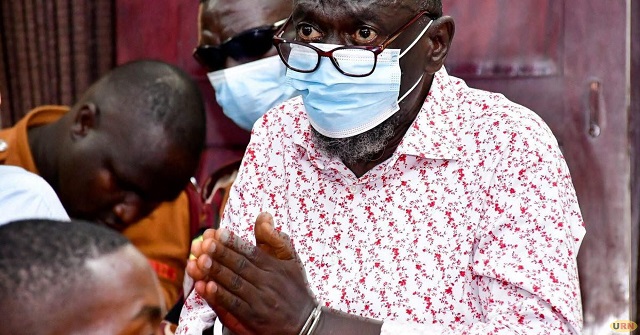
Kampala, Uganda | URN | A group of 18 Ugandan lawyers has asked the Director of Public Prosecutions (DPP) to suspend the treason trial of opposition politician Dr. Kizza Besigye and his co-accused, Hajj Obeid Lutale, arguing that the prosecution proceeded despite unresolved concerns over the accused’s constitutional right to a fair hearing.
In a letter dated July 31, 2026, addressed to the DPP, the lawyers contend that prosecutors failed in their constitutional duty by urging the High Court to begin hearing evidence before issues relating to legal representation, access to counsel and Besigye’s medical condition had been resolved.
The letter follows proceedings before High Court Judge Emmanuel Baguma at the Criminal Division on July 29, during which Besigye objected to the commencement of the trial.
He argued that he did not have legal representation of his choice because lawyers appointed on state brief had not received instructions from either him or Lutale.
He also said applications concerning alleged interference with his defence team remained pending.
Despite the objections, the prosecution urged the court to proceed, arguing there was no legal impediment to calling its first witness and that the case had already taken too long.
The court allowed the prosecution to begin presenting evidence. During the proceedings, Besigye repeatedly protested and later collapsed in the dock.
The lawyers acknowledge that trial courts have authority to manage proceedings and prevent unnecessary delays. However, they argue that neither judicial case management nor prosecutorial independence overrides the constitutional guarantee of a fair trial.
“The constitutional right to legal representation of one’s choice requires more than the physical presence of an advocate whose name appears on a state brief appointment,” the lawyers wrote.
They argue that in capital offences such as treason, defence counsel must have sufficient time to consult the accused, review the prosecution’s disclosures, prepare objections and mount an effective defence.
Proceeding before those conditions are met, they say, risks rendering the trial unconstitutional.
The lawyers cite Articles 28 and 44 of the Constitution, which protect the right to a fair hearing, as well as Article 120(5), which requires the DPP to consider the public interest, the administration of justice and the need to prevent abuse of legal process in every prosecution.
They also rely on Article 14 of the International Covenant on Civil and Political Rights, Article 7 of the African Charter on Human and Peoples’ Rights, and the United Nations Guidelines on the Role of Prosecutors, all of which require prosecutors to act fairly and respect the rights of accused persons.
The lawyers argue that the prosecution should instead have sought a short adjournment to allow Besigye and Lutale to confidentially instruct their lawyers, enable defence counsel to review the prosecution’s evidence, investigate allegations of interference with the defence team, and obtain an independent medical assessment of Besigye’s fitness to stand trial.
They say the prosecution adopted “the narrow position that no formal impediment prevented the calling of its witness,” a decision they argue reduced the prosecutor’s constitutional office to that of “an ordinary partisan litigant.”
The letter warns that if a trial begins under a cloud of alleged violations of the right to counsel, any eventual conviction could be vulnerable to constitutional challenge, retrial or nullification, while undermining public confidence in the administration of justice.
The lawyers have asked the DPP to order an immediate internal review of the prosecution team’s conduct during the July 29 proceedings, preserve the complete court record and prosecution notes, suspend the trial until Besigye’s medical fitness is independently assessed, and review whether actions affecting members of the defence team, including Senior Counsel Martha Karua and lawyer Erias Lukwago, materially prejudiced the accused’s ability to receive effective legal representation.
They also want the DPP to issue institutional guidance reminding prosecutors that their duty is “to justice and not simply to the commencement or completion of a prosecution.”
“This request is not an attempt to control your office,” the letter states.
“It calls upon you to exercise the independence already vested in your office for the purpose for which that independence exists: to protect the administration of justice from political pressure, abuse of process and unconstitutional prosecution.”
The letter was signed by 18 advocates, including Mohamed Mbabazi, Anthony Odur, Sarah Kasande, Lillian Drabo, Primah Kwagala, Ivan Okuda, Ronald Samuel Wanda, Phillip Karugaba and Julius K. Warugaba.
Besigye and Lutale are facing treason charges before the High Court following the transfer of their case from the General Court Martial after the Supreme Court ruled in January 2025 that military courts lack jurisdiction to try civilians.
They deny the charges. The trial has attracted significant public and international attention because of concerns raised by the defence over access to legal counsel, the conduct of security agencies and Besigye’s health during the proceedings.
The Office of the Director of Public Prosecutions had not publicly responded to the lawyers’ letter by press time.


Let they be tried in the courts of law