 The Independent Uganda: You get the Truth we Pay the Price


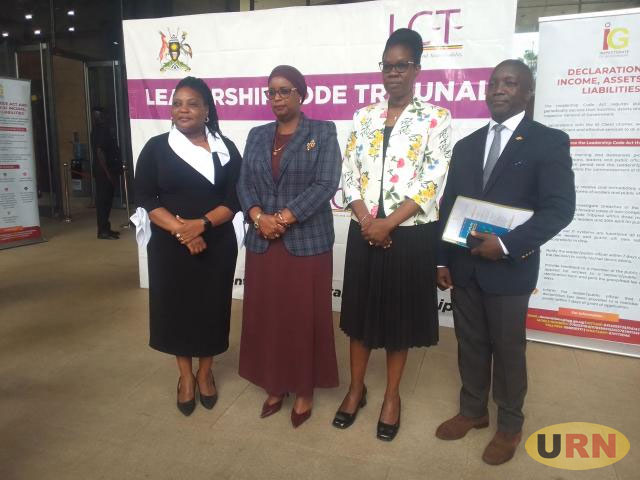
Kampala, Uganda | URN | Public servants across Uganda have been given one month to declare their income, assets, and liabilities in a renewed push by the Inspectorate of Government to strengthen transparency and curb corruption. The exercise, launched on Wednesday at the Prime Minister’s Office in Kampala, requires all public officers to submit their declarations to the Inspector General of Government by April 30 or face prosecution under the Leadership Code Act.
Inspector General of Government, Lady Justice Naluzze Aisha Batala, said the exercise goes beyond legal requirements and is a critical tool for promoting integrity and accountability in public service. “When public officers are aware that their financial status is subject to scrutiny, they are more likely to act with integrity and make decisions in the public interest,” she said.
Naluzze noted that the Inspectorate has introduced an improved online declaration system to make the process more efficient and accessible. She emphasized that failure to comply will attract sanctions before the Leadership Code Tribunal. At the same event, the government unveiled a new user guide for the Leadership Code Act to help public officials better understand rules on wealth declaration, conflict of interest, and ethical conduct.
Leadership Code Tribunal Chairperson Dr Rosely Karugonjo Segawa said the guide responds to growing public concern over integrity in leadership, clarifying that while public officers may own property or run businesses, such interests must not conflict with their official duties. “A leader may have private interests, but those interests must never interfere with their public responsibilities. Where a conflict arises, the officer is required to declare it and refrain from participating in related decisions,” she said.
She added that failure to disclose assets, including property and financial interests fully, constitutes an offense and may trigger investigations where discrepancies are identified.
Minister of Public Service Wilson Muruli Mukasa described corruption as a long-standing global challenge and called for stronger efforts to address it, including learning from traditional systems that upheld accountability.
Mukasa revealed that public trust in Uganda’s institutions stands at 47 per cent, according to the Uganda National Bureau of Statistics, which he said is a worrying indicator that requires urgent action. He also called for asset declaration to be extended to all public servants, not just top leaders, and suggested that declaration records should be considered in future government appointments.
The minister noted that the March 2024 declaration exercise achieved 90 per cent compliance, although more than 3,000 leaders failed to declare their assets. According to the Inspectorate of Government, Uganda loses about 10 billion shillings annually to corruption, underscoring the need for stricter enforcement of accountability measures.


nalukwagomary74@gmail.com