 The Independent Uganda: You get the Truth we Pay the Price


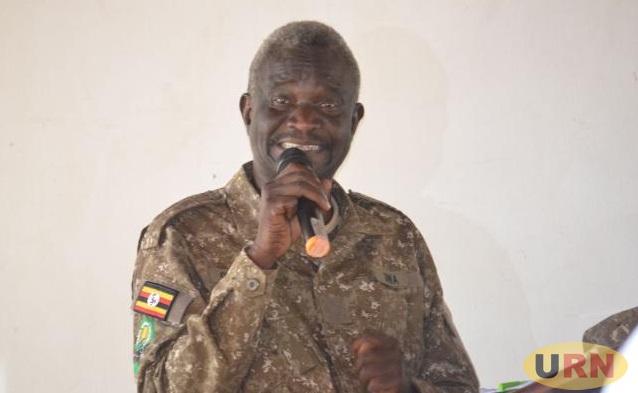
Moroto, Uganda | URN | Continuous grazing of cattle inside protected areas in Karamoja is driving wildlife out of conservation zones and threatening the region’s tourism potential, alarming officials from the Uganda Wildlife Authority. The most affected areas include Pian Upe Wildlife Reserve and Bokora-Matheniko Wildlife Reserve, where pastoralists have pushed large herds into the reserves. The influx of livestock is forcing wild animals to relocate, leaving tourists frustrated.
Mike Okiring, the acting warden in charge of Matheniko-Bokora Wildlife Reserve, said UWA staff have repeatedly been criticized by tourists who arrive to find cattle occupying the conservation area instead of wildlife. “While some game parks are for wildlife, the conservation areas in Karamoja are ruined by domestic animals that occupy the entire area,” Okiring said. “We are often abused by tourists who come and find the place full of cows instead of the wild animals they paid to watch.”
Okiring noted that conditions are gradually improving in Pian Upe following joint security interventions, but the problem persists in Matheniko-Bokora. He said Bokora-Matheniko is large enough to accommodate significant wildlife populations if properly managed. He added that Pian Upe Wildlife Reserve has become a conservation area headquarters covering Moru Ajore up to Matheniko-Bokora Game Reserve. The reserve was previously under the Mt. Elgon Conservation Area.With livestock recently driven from some sections of the reserve, wildlife such as giraffes are slowly returning, boosting tourism prospects, Okiring said.
The situation worsened after Yoweri Museveni pronounced during campaigns in Nakapiripirit and Nabilatuk districts that herdsmen could graze inside conservation areas as authorities explore ways for communities to coexist with wildlife. Museveni repeated the stance in a meeting with Karamojong elders in Soroti, where he also raised concerns that UWA occupies vast land in the region.
Besie Ajilong, the Nakapiripirit Resident District Commissioner, said the directive has made enforcement difficult due to political interference. She noted an influx of herdsmen from West Pokot in Kenya and from Amudat District grazing in the conservation area.“The conservation area is overwhelmed by the presence of cattle, forcing wild animals to migrate to other areas,” Ajilong said. “Everyone is now referring to the resolutions made by President Museveni, and they have insisted they will never leave the conservation area.”
Okiring further stresses that the UWA faces operational challenges, with only 43 personnel manning all districts neighboring the Matheniko-Bokora Wildlife Reserve. Many rangers are scattered, and outposts often have a maximum of four rangers, hindering operations.He also faulted district leaders for allocating parts of the game reserve to partners for community projects such as boreholes and dams without UWA’s knowledge. UWA has discovered multiple facilities installed in reserves without prior consent.Okiring challenged the leadership to always seek permission from the UWA office before implementing a project so that they can conduct an impact assessment before any development in the protected area.
As wildlife flee reserves crowded with cattle, local leaders report escalating human-wildlife conflict. The stray animals are destroying crops and, in some cases, killing people, worsening food insecurity and poverty. Meri Jino, the outgoing LC5 Chairperson of Kaabong District, said problematic animals have contributed to high poverty rates as communities lose crops without compensation.“Government has long talked about compensation for crops lost, something that has not been fulfilled, yet the animals continue to attack the community,” Jino said. “Stray elephants are currently traversing communities, and it has scared people from cultivating, yet the rainy season will soon end.”Jino urged the government to speed up the ongoing electric fencing of Kidepo Valley National Park to protect lives and property.
Okiring acknowledged that human-wildlife conflict is a major challenge countrywide. He said the government has a compensation program and urged communities to report stray animals to the nearest UWA station immediately. “The UWA team will assess the level of damage, document it, and the file is taken to headquarters to facilitate the compensation process,” he said.Fencing of Kidepo Valley National Park is underway, with about 27 kilometers completed so far. However, a large portion remains unfenced, allowing animals to continue moving into communities.

Let every reader google “Key Aspects of Fortress Conservation”. This Gentleman Okiring would rather see karamojong livestock perish in order to please a few tourists since they pay in dollars for escorts and wouldn’t want to disappoint them. Livestock is the primary source of blood which is a staple food for Karamojongs no sane privileged general should place a Ugandan over any tourist.