The Independent Uganda: You get the Truth we Pay the Price



KCB targets the growth gap in female-led firms
Kampala, Uganda | JULIUS BUSINGE | Uganda’s banking sector is sharpening its focus on women entrepreneurs, as lenders roll out targeted products to close a long-standing financing gap that has constrained the growth of female-led businesses.
Against this backdrop, KCB Bank Uganda has launched its Female-Led and Made Enterprises (FLME) proposition, positioning it as a structured response to the barriers women face in scaling their businesses.
Under the initiative, women entrepreneurs will be able to access loans of up to Shs500 million on what the bank describes as affordable terms, alongside non-financial support such as mentorship, capacity building and market access.
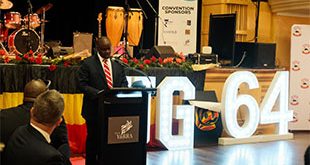
The programme was unveiled at a breakfast engagement in Kampala on April 16, bringing together entrepreneurs, business leaders and policymakers. The event was officiated by Allen Kagina, chairperson of the Technical and Vocational Education and Training Council.
KCB Managing Director Edgar Byamah said the initiative is designed to address what he termed a “progression gap” that has historically limited women-owned enterprises.
He said the bank is moving beyond traditional lending by integrating financing with advisory services and partnerships, including with Mkazipreneur, African Women in Processing and Nation Media Group’s Empower Her initiative.
Shift in financial sector
The move reflects a broader shift in Uganda’s financial sector, where several lenders are increasingly tailoring products to women-led businesses. dfcu Bank Uganda, for instance, runs a Women in Business programme under the GROW project, combining concessional loans with training and mentorship.
Finance Trust Bank, which has roots in women-focused microfinance, continues to target female entrepreneurs with specialised credit and financial literacy programmes.
Similarly, Equity Bank Uganda has expanded lending to women through group-based financing models and SME support, while the Uganda Development Bank offers dedicated facilities aimed at supporting women-owned enterprises in key sectors.
Industry analysts say such interventions are critical in an economy where women play a central role in entrepreneurship but remain disproportionately underserved by formal finance. Access to credit, collateral requirements and limited business support structures continue to constrain growth.
Kagina welcomed the initiative, saying targeted interventions of this nature will play a major role in unlocking the economic potential of women and driving inclusive growth.
She noted that structured programmes that combine financing with skills development are essential for enabling women to move from small-scale operations to sustainable enterprises.
Mentorship and networking
However, participants at the KCB event echoed these concerns. A panel of women entrepreneurs highlighted the persistent difficulty of accessing affordable credit and scaling operations, despite growing participation in business.
Lillian Namuli Akiki, an agribusiness entrepreneur from Tororo District, said financing alone is often insufficient. She pointed to the importance of mentorship, networks and market access in building resilient enterprises.
Kagina said targeted programmes that combine finance with skills development are essential to unlocking women’s economic potential and driving inclusive growth.
KCB executives say the FLME proposition is designed to respond to these realities by offering a more holistic support system, enabling women to move from small-scale operations to competitive enterprises.
With Uganda’s entrepreneurial landscape expanding, lenders are increasingly positioning themselves not just as financiers, but as long-term partners in the growth of women-led businesses.