The Independent Uganda: You get the Truth we Pay the Price


Kampala, Uganda | THE INDEPENDENT | Aponye (U) Limited is prioritising stronger corporate governance, operational stability and market diversification as it seeks to rebuild stakeholder confidence following a period of financial difficulties after the death of its founder, Apollo Nyegamehe.
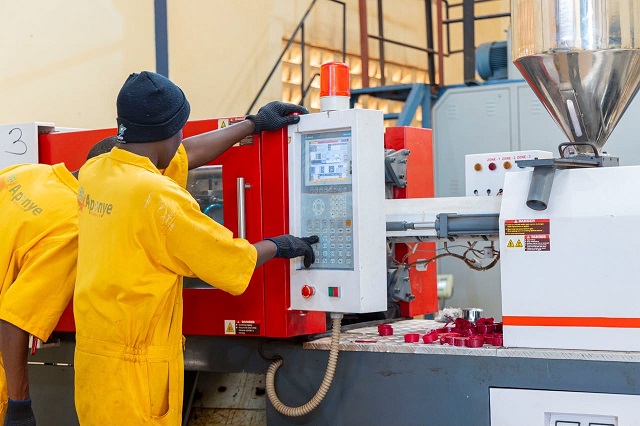
The company, which operates across grain aggregation, storage, processing, transport and distribution, is seeking to strengthen its operations while maintaining its role in connecting farmers to institutional and commercial buyers.
The recovery strategy is being overseen by the board chaired by Silajji Baguma Kanyesigye and implemented by a management team led by Managing Director Annet Twebaze.
The changes come as the company seeks to restore confidence among creditors, suppliers, customers and financiers while positioning itself for growth in Uganda’s agricultural value chain.
For nearly four decades, Aponye has bought produce from farmers, processed and stored grain and supplied institutional buyers, including government agencies, humanitarian organisations and private manufacturers.
Baguma says the company’s integrated infrastructure remains a key competitive advantage.
“We are the only entity in Uganda that has infrastructure for picking grain from the farmer, bringing it to the processing plant, processing it, storing it and delivering it to the big consumers,” he says.
The company also provides cross-border transport and logistics services to exporters.
Baguma says Aponye’s role extends beyond trading, given the challenges farmers face in getting produce to reliable markets and preserving it after harvest.
“As long as people are alive, they must eat,” he says. “The farmer cannot reach the consumer on their own. It is our duty to collect the produce, process it, preserve it and deliver it where it is needed.”
Governance at the centre of recovery
Baguma says restoring trust has been one of the board’s main priorities following the financial pressures that affected the company.
He says the board is concentrating on strategic direction and oversight, leaving day-to-day operations to management.
“Our duty is to set policies and guide management so that they do the right thing. One of the things we are trying to do is rebuild the trust of Aponye with its clients so that when you promise A, you deliver A. When you promise B, you deliver B,” he says.
He describes credibility as central to the company’s ability to rebuild commercial relationships.
“My biggest trade is trust. That is the trust I am trying to build in Aponye so that people out there trust the products, trust what we promise and know we can deliver.”
Baguma says the company has seen progress in its engagement with financiers, suppliers and development partners, alongside new commercial opportunities and government support.
However, the long-term success of the recovery plan will depend on the company’s ability to translate these engagements into sustainable business performance.
Twebaze, who has worked at Aponye for 14 years, says the company is focusing on stabilising operations before pursuing more aggressive growth.
“I have lived through the company’s best years and its most difficult ones,” she says. “The challenges the company has faced have developed my skills. I have developed my resilience.”
She says the immediate priority is to restore the company’s footing and rebuild relationships with stakeholders.
“Our vision for the next three to five years is stability first, then restored brand awareness and stakeholder relationships rebuilt on a firmer footing.”
The strategy also includes expanding the company’s presence in commercial markets while retaining its established institutional customers.
“We also need to compete in the same space,” Twebaze says, referring to opportunities in broader commercial markets.
Diversifying its customer base could help reduce the company’s dependence on a limited number of institutional buyers and procurement cycles.
The company is also strengthening its internal systems, moving away from reliance on informal relationships in managing business transactions.
“APONYE’s old way of trading ran on loyalty and personal trust rather than formal systems. Going forward, APONYE will trade with formal systems and formal stakeholder management,” she said.
The changes are intended to strengthen accountability, transparency and risk management in its dealings with customers, suppliers and financiers.
Post-harvest losses remain a challenge
Beyond its internal recovery, Aponye is positioning itself to participate in efforts to strengthen Uganda’s agricultural value chain.
Although agricultural production remains important, inadequate storage, processing and market access can undermine farmers’ earnings and contribute to food losses.
Baguma says improving the management of produce after harvest is essential to food security.
“Our biggest challenge has been managing post-harvest losses, taking the product to market and preserving what has been produced,” he says.
“You can’t have food security if you don’t have proper post-harvest management and food preservation.”
Aponye’s grain aggregation, processing, storage and logistics operations are intended to address some of these gaps by improving the handling and movement of agricultural produce.
The company also wants to support farmers to improve the quality of their produce and adopt more modern farming practices.
“We are trying to teach them modern methods of agriculture,” Baguma says. “We have been working with organisations such as the Private Sector Foundation Uganda and others to train farmers and improve the quality of the products they supply.”
The effectiveness of these efforts will depend on sustained farmer engagement, access to markets and the availability of financing to support production and post-harvest infrastructure.
Cost of financing weighs on agriculture
Baguma identifies access to affordable credit as another constraint facing agricultural businesses.
He argues that conventional lending terms do not adequately reflect the seasonal nature of agricultural production, exposure to weather risks and delays in payments from institutional buyers.
“The financing given to agriculture is the same financing given to traders, and that financing is too costly. That’s what has been killing people who go into this business.”
He says partnerships with institutions such as the National Agricultural Marketing Company (NAMCO) could help improve agricultural financing and create opportunities for Ugandan produce in export markets.
Affordable financing remains important for businesses that need to buy produce during harvest periods, maintain storage facilities and wait for buyers to make payments.
Staff and brand confidence
The recovery strategy also places emphasis on employee morale, leadership and organisational culture.
Baguma says the board wants to strengthen management capacity and ensure the company has the personnel needed to implement its plans.
Twebaze says leadership must be demonstrated through conduct rather than position.
“The title does not matter, but what you put in is what motivates your workers. If you’re telling your worker to be at work at 8am, are you yourself at work at 8am?”; she says.
She acknowledges that the company’s operational challenges affected staff morale and says employee welfare, communication and corporate social responsibility are among the areas receiving attention.
Twebaze also believes the company’s existing reputation provides a foundation for recovery.
“I found a company shaken but not broken,” she says. “Its brand value is still a place I will rely on.”
The company plans to strengthen communication, technology and stakeholder engagement as part of efforts to demonstrate its continued presence in the market.
For Aponye, the challenge will be to restore confidence while ensuring that governance reforms, operational improvements and market diversification translate into sustained financial performance.
Baguma says the company’s future should not be defined solely by the death of its founder.
“It is for the whole country and the region,” he says. “We want to change the narrative that the death of Apollo Nyegamehe does not mean the death of Aponye.”
The company says it intends to pursue sustainable growth while working with farmers, employees, financiers, government and other partners. Its ability to deliver on that ambition will depend on how effectively it addresses its financial challenges and rebuilds relationships across the agricultural value chain.