The Independent Uganda: You get the Truth we Pay the Price


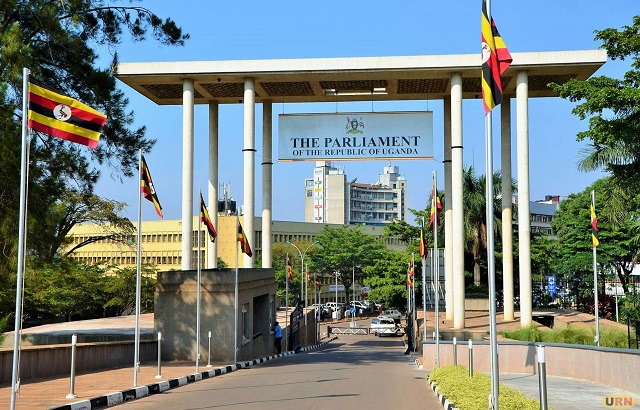
COMMENT | RONALD AMANYIRE | From the highest offices to the lowest levels of administration, across all three arms of government and even the Fourth Estate, Uganda is afflicted by a cancer called corruption. That is the fundamental problem. The greatest casualty of this disease has not merely been public resources but public trust.
For nearly four decades, confidence in government institutions and those who wield power has been steadily eroded. Today, many Ugandans instinctively distrust government interventions, regardless of how well-intentioned they may be. Once trust is lost, facts become irrelevant, motives are questioned, and every proposal is viewed through a lens of suspicion.
I witnessed this reality firsthand during the SGS controversy. The controversy with Société Générale de Surveillance (SGS) centered on a multi-million-dollar mandatory motor vehicle inspection contract under the “Safe Drive Uganda” program, which was marred by allegations of procurement fraud, conflicts of interest, bribery, and financial loss before being formally terminated
Having been in the middle of that storm, I can confidently state that SGS was as serious and credible an investor as this country was ever likely to attract. Uganda was fortunate that it was SGS that chose to terminate the contract and was prepared to liquidate its assets. Had circumstances been different, the consequences for the country could have been far more severe (trillions of shillings).
This crisis of trust does not end with public perception. It also shapes political behaviour. Many Members of Parliament quickly join public opposition to government initiatives, not necessarily out of a commitment to oversight, but often because they recognise the political and personal opportunities that arise when public confidence in government is already weak.
Equally troubling is the inability of some leaders, particularly ministers, to articulate and defend complex or innovative projects before Cabinet, Parliament, or the public. Traditional projects such as roads, hospitals, and schools require little explanation because their benefits are self-evident. Novel technological or institutional reforms are different. They demand competent leadership capable of explaining their purpose, costs, risks, and benefits in a convincing and transparent manner. When that leadership is absent, suspicion fills the vacuum.
This situation is well explained by Stephen R. Covey’s concept of the “Emotional Bank Account” in The 7 Habits of Highly Effective People. Covey argues that trust is built through consistent deposits and destroyed through repeated withdrawals. Governments, like individuals, must make continual deposits into the public’s emotional bank account through integrity, honesty, transparency, accountability, loyalty, and the fulfilment of commitments. If withdrawals far exceed deposits over an extended period, the account becomes overdrawn. At that point, even sincere actions are met with doubt and resistance.
That is precisely where Uganda finds itself today. The public’s emotional bank account with many institutions of government has been drawn down over decades. Until trust is restored through consistent actions rather than rhetoric, even the most well-conceived government initiatives will continue to face scepticism, resistance, and controversy.
The challenge is no longer simply the quality of government projects. The challenge is that the reservoir of public trust has been depleted. Without trust, every policy becomes a battle, every reform becomes controversial, and every intervention is presumed guilty before it is understood.
*****
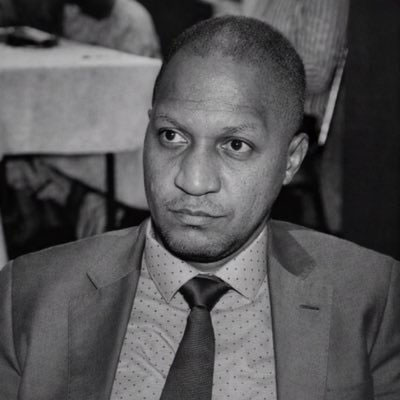 Ronald Amanyire is a transport expert. This piece is adapted from twitter @amronaldo