The Independent Uganda: You get the Truth we Pay the Price


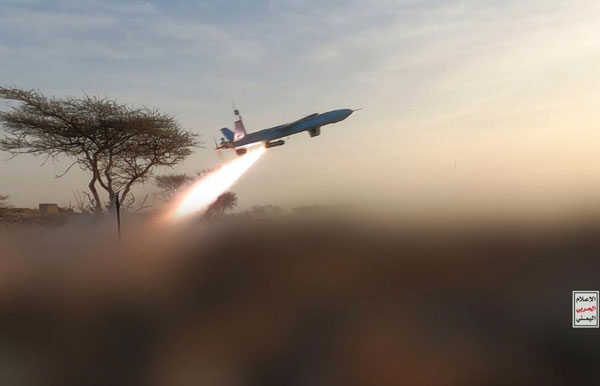
CAIRO | Xinhua | The latest escalation in Yemen has thrust the Bab al-Mandab Strait into the global spotlight as a new flashpoint, following the Houthis’ significant territorial gains along Yemen’s Red Sea coast and around the strategic waterway.
Analysts say that, amid disruptions to shipping through the Strait of Hormuz caused by the Iran-U.S. conflict, the struggle for control of the Bab al-Mandab Strait is no longer simply about territorial gains inside Yemen. Rather, it is about gaining leverage in a shifting regional landscape by expanding its sway over global energy markets.
HOW IS THE ESCALATION UNFOLDING?
Yemen’s conflict erupted in late 2014 when the Houthis seized the capital Sanaa and much of northern Yemen. In recent days, fighting has intensified across western and northern Yemen, in one of the sharpest escalations since a UN-brokered truce in 2022 largely halted major hostilities.
On Sept. 10, the Houthi group seized the Red Sea port city of Mocha in southwestern Taiz province, forcing government troops to withdraw southward toward Dhubab, between Mocha and Bab al-Mandab. The capture brought the Houthis closer to the strait, marking a major battlefield shift along Yemen’s western coast.
A day later, the group captured Dhubab and seized the Mayun Island at the heart of Bab al-Mandab after government forces pulled farther south into neighboring Lahj province. The capture of the island, which divides the waterway into two shipping channels, gave the group control of key positions overlooking the strait.
Following the developments, the government forces and the Houthis engaged in heavy clashes near the strait, with casualties reported on both sides.
According to military officials from both sides who spoke on condition of anonymity, fighting has raged fiercely since Wednesday across the Kahbub mountain area and surrounding heights in Lahj, where Houthi members launched a renewed push against government defensive positions.
The battle remained fluid on Thursday, with several commanding heights changing hands during attacks and counterattacks. Neither side had secured a decisive breakthrough, according to the officials. Both sides have sent additional fighters, weapons and military vehicles into the area, raising the prospect of further heavy fighting for control of positions overlooking approaches to Bab al-Mandab.
WHY DOES BAB AL-MANDAB MATTER?
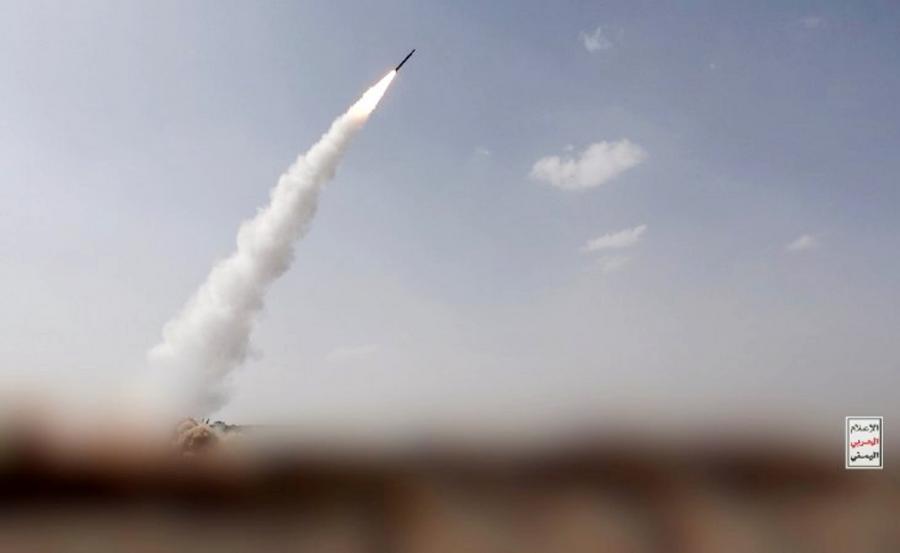
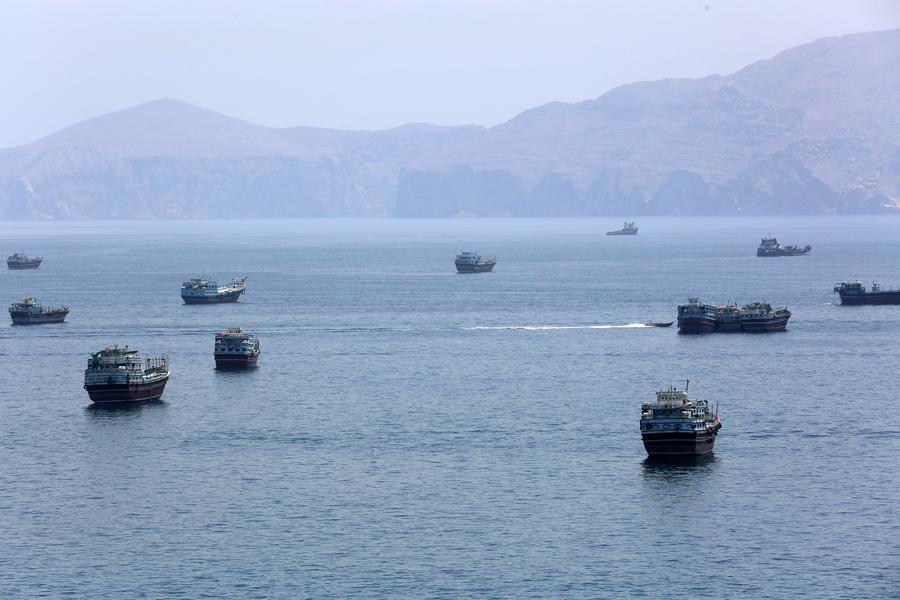
Bab al-Mandab, between Yemen and the Horn of Africa, acts as a critical maritime chokepoint connecting the Gulf of Aden to the southern end of the Red Sea, forming an indispensable artery for global energy shipments and international trade moving to and from the Suez Canal.
“The battle for Bab al-Mandab is not simply about gaining territory inside Yemen,” Aden-based political analyst Muqbil Naji told Xinhua. “Whoever can threaten this waterway acquires leverage that extends well beyond Yemen’s borders.”
Offering a similar assessment, Abdul-Salam Mohamed, chairman of the Yemeni think tank Abaad Studies and Research Center, said that the western coast is one of three fronts that could shape the course of the war.
The strategic importance of the western front lies largely in Bab al-Mandab, Mohamed said, noting that a Houthi advance toward the waterway would give the group “a potent new source of strategic leverage,” while a major defeat could threaten its positions farther north along the Red Sea coast.
Assessing the broader regional dynamics, Yemeni political analyst Khalil Muthanna al-Omari said that with navigation through the Strait of Hormuz already severely disrupted, Houthi control of the Bab al-Mandab Strait would effectively create “a front parallel to the Strait of Hormuz,” allowing Iran, through its Houthi allies, to exert influence on global energy shipping through two critical maritime chokepoints at the same time.
WHAT ARE THE IMPLICATIONS?
Abdulaziz Alshaabani, a Saudi researcher at Al Riyadh Center for Political and Strategic Studies, said that continued tensions around Bab al-Mandab could drive up insurance and shipping costs and prompt shipping companies to take longer and more expensive routes around the Cape of Good Hope.
Such disruptions would have a direct impact on the Suez Canal, as its security is closely linked to that of the southern maritime route, he said. If ships could not safely pass through Bab al-Mandab and the Red Sea, some trade could shift to alternative routes, resulting in longer transit times, higher costs and added pressure on global trade.
The impact, however, would not be limited to shipping and trade. Alshaabani said the latest developments could make a political settlement of the Yemeni conflict more difficult.
He explained that control of coastal areas and strategic routes would give the Houthis more leverage and make the Red Sea and Bab al-Mandab a lasting factor in the conflict. The Yemen crisis is therefore no longer only about power-sharing, but also about global maritime, energy and trade security.
The developments also raise broader regional security concerns, analysts say.
According to Yemeni political analyst Hamza al-Kamali, the “most dangerous” development would be the militarization of the strait and the involvement of different international powers in the confrontation in the Red Sea.
In that case, al-Kamali said, increased tensions and polarization along this important maritime route would further aggravate the maritime transport and supply chain crisis already stemming from the situation around the Strait of Hormuz.■