 The Independent Uganda: You get the Truth we Pay the Price


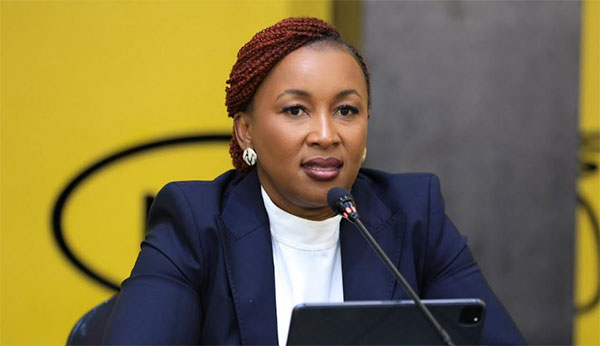
Kampala, Uganda | JULIUS BUSINGE | “We are sorry to our customers who were affected by the service disruption that happened on Sunday.”
That apology dominated a media briefing addressed by top MTN Uganda officials at the company’s headquarters in Kampala on July 7, as management sought to explain the circumstances surrounding a network outage that left millions of subscribers unable to make calls, access internet services or complete mobile money transactions for more than six hours.
MTN Uganda, a subsidiary of MTN Group, the Johannesburg, South Africa-headquartered Telecommunications Company, said the disruption was caused by an internal power protection mechanism at its Mutundwe Data Centre that automatically shut down part of its infrastructure after detecting an abnormal power event.
Led by Chief Executive Officer Sylvia Mulinge, the company’s executives dismissed speculation that the outage was linked to external partners, insisting the shutdown was an unexpected safety response designed to protect critical network equipment from damage.
“It was not anticipated,” Mulinge said, adding that the incident “had nothing to do with any of our partners.”
The telecom operator technically explained that while backup generators continued supplying power during the incident, one component within the power protection chain affected other systems.
As a result, some Uninterruptible Power Supply (UPS) units detected abnormal loads and automatically shut themselves down to protect critical infrastructure, triggering service interruptions across sections of the network.
MTN said it remained in close contact with its power supply partners – Uganda Electricity Distribution Limited and regulators – Uganda Communications Commission and Bank of Uganda – throughout the incident and commended them for their support as engineers worked to restore stable electricity and network services.
Mulinge said the disruption directly affected about 40% of MTN Uganda’s active customer base, although she noted that mobile money users may have experienced an even wider impact because of the interconnected nature of financial services.
She added that while MTN Uganda has 24.4 million registered subscribers, not all are active users, meaning the actual number of customers affected was lower than the total subscriber base.
Current operational data presented during the briefing showed that MTN Uganda serves about 14.7 million mobile money customers, employs approximately 700 people directly and more than 2,000 indirectly, and remains one of the largest listed companies on the Uganda Securities Exchange.
On customer redress, the company said it has already compensated more than one million customers whose active data bundles or other services expired during the disruption.
According to management, compensation was limited to customers who lost resources they were unable to use because of the outage. Customers whose bundles remained valid after services were restored were able to continue using them and therefore did not qualify for compensation.
“The service was not out for the whole day. It was substantially restored by early evening, so customers who still had valid bundles after restoration were able to continue using them,” Mulinge said.
The company added that customers who believe they lost eligible resources but have not yet received compensation are encouraged to contact MTN for review.
MTN also announced temporary relief for customers with mobile money loans that were due for repayment on the day of the outage. Company officials said such customers would not be penalised immediately, allowing them additional time before repayments are processed.
The outage, which disrupted voice, data and mobile money services, sparked widespread customer complaints and renewed scrutiny over network resilience at a time when digital connectivity and mobile financial services have become increasingly critical to Uganda’s economy.
While declining to quantify the revenue lost during the outage, company officials acknowledged that the financial impact was significant
Mulinge said the company continues to invest heavily in strengthening network resilience, revealing that MTN Uganda invested Shs549.4 billion (about US$86 million) in network infrastructure and capacity upgrades in 2025 alone.
She said the investment reflects the operator’s long-term commitment to improving service reliability and supporting growing demand for voice, data and digital financial services across the country, while acknowledging that no network infrastructure is entirely immune from unexpected technical failures.



My transactions have pending