The Independent Uganda: You get the Truth we Pay the Price


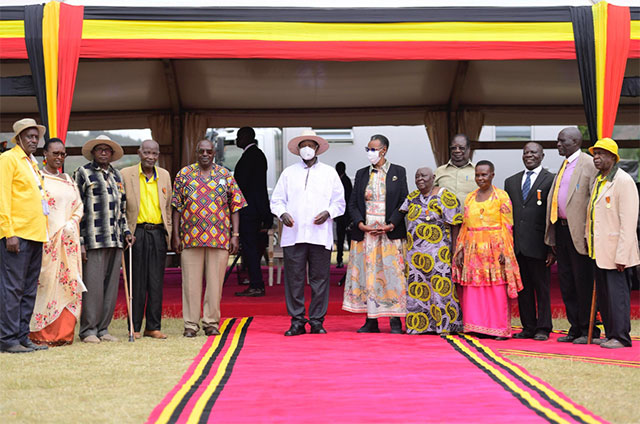
COMMENT | CAROLYNE MUYAMA | As we observe Heroes’ Day today, Ugandans nationwide will listen to the President’s speech on radio and TV. Traditionally, June 9th has meant closed government offices, major security operations, large convoys passing through rural areas, costly plastic tents, high per diem expenses, and millions of shillings spent on catering.
This year, public celebrations have shifted from traditional gatherings to broadcasts, reflecting fiscal responsibility. Ramathan Ggoobi, the Permanent Secretary and Secretary to the Treasury, said the government will no longer fund national day festivities. Consequently, events such as Heroes’ Day, Women’s Day, and Independence Day no longer feature grand national parades, and the President’s speech is now the main focus. This adjustment maintains respect for history while offering a contemporary and meaningful way to express patriotism.
Remembering our heroes matters because it is the glue that holds our national story together, reminding us of who we are and where we came from. In a world where focus has moved to social media influence, honoring true heroes provides Ugandans, especially young people, with authentic role models of sacrifice, dedication, and patriotism.
Remembering our heroes shows us that an ordinary citizen can make an extraordinary difference, proving that the peace we rely on to run our businesses and raise our families today was paid for by the sweat and blood of ordinary people just like us.
We celebrate Heroes’ Day every June 9th to reflect on a defining moment in 1981 in Kikandwa village, Luweero District. On that morning during the bush war, government soldiers rounded up local civilians and demanded that they reveal where Yoweri Kaguta Museveni and his National Resistance Army fighters were hiding.
A local peasant farmer named Edidian Babumba Luttamaguzi chose not to speak, prioritizing the rebellion’s protection even at the risk of death. Parliament designated this day to honor people like Luttamaguzi and the thousands who sacrificed their lives for our freedom through the generations, ensuring they are never forgotten. Luttamaguzi exemplifies the deepest sense of patriotism, a common village man who stared death in the face and chose a bullet over betrayal to safeguard our future leaders.
We also look back to icons such as Ignatius Kangave Musaazi, the father of our nationalist movement, who organized ordinary farmers into the Uganda National Congress to fight colonial rule and secure our right to self-government.
Heroism isn’t solely about wielding a gun; it also honors individuals such as the late Central Bank Governor, Professor Emmanuel Tumusiime-Mutebile. In the 1990s, he inherited a struggling economy and implemented difficult reforms that revitalized businesses, kept inflation low, and established the commercial banks we rely on today.
Historically, hosting a single national event has entailed hundreds of millions of shillings in ongoing costs, diverting funds from long-term investments to short-term entertainment and VIP transportation. Moving to a digital, broadcast-only format helps the government reduce unnecessary expenses, freeing billions saved annually to be reallocated to essential sectors such as agriculture, tourism, mineral-based industrialization, and science and technology. This shift encourages real economic growth.
The radio address allows Ugandans to hear the president’s message while they go about their daily activities. Heroes laid down their lives for the prosperous, self-reliant Uganda we enjoy today.
For a rural Ugandan struggling to make ends meet in the village somewhere, a flashy government celebration in Kampala does nothing to put food on the table. Redirecting these billions of shillings saved from national celebrations to reliable Parish Development Model funds, better local health centers, and functional, clean water sources will make more sense.
While stopping national day celebrations is a good symbolic and practical beginning, it only tackles a small part of the structural waste afflicting our public sector. To genuinely pull the economy out of the debt trap, the Ministry of Finance needs to adopt the same decisive approach to eliminate waste in other areas as well.
Celebrating Heroes Day on the radio is a commendable example of the strict fiscal discipline Uganda needs, but frugality should not be confined to public holidays.
To ensure the upcoming budget effectively revives the economy, the executive must sustain this strong anti-waste momentum across all sectors of government. Only by doing so can we honor the sacrifices of our national heroes.
****
 Carolyne Muyama works with the Uganda Media Centre