The Independent Uganda: You get the Truth we Pay the Price


Addis Ababa, Ethiopia | THE INDEPENDENT | The Food and Agriculture Organization of the United Nations (FAO), the International Plant Protection Convention (IPPC) and partners have launched the third phase of the Africa Phytosanitary Programme (APP), expanding the continent-wide initiative to 38 countries as governments intensify efforts to curb the spread of destructive crop pests and diseases through digital surveillance systems.
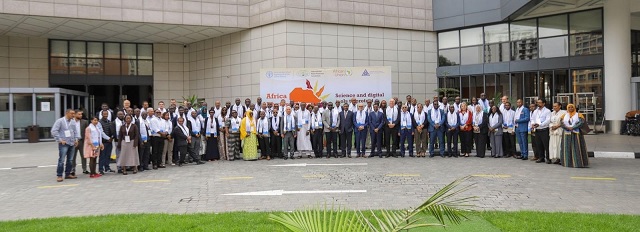
The latest phase, launched Monday in Addis Ababa, Ethiopia, marks the programme’s largest expansion since it was piloted in 2023. It brings together about 100 phytosanitary specialists from 18 new participating countries for a week-long training programme aimed at strengthening pest detection, monitoring and reporting using geospatial technologies and standardized digital tools.
Hosted by Ethiopia’s Ethiopian Agricultural Authority (EAA), the workshop also includes observers from Yemen, representatives from countries that participated in the first two phases, including Uganda, Egypt, Mali and South Africa, as well as FAO plant health officers from across Africa.
Participants will receive tablets equipped with customized pest surveillance applications and undertake field-based practical sessions using harmonized survey protocols developed by technical experts. The programme follows a train-the-trainer model, with participants expected to return home and train colleagues within their National Plant Protection Organisations (NPPOs).
The initiative comes as African countries seek to reduce crop losses and improve compliance with international phytosanitary standards, which remain a major barrier to agricultural exports. Reports indicate that up to 30% of Africa’s agricultural exports are rejected because they fail to meet sanitary and phytosanitary (SPS) requirements.
Ambassador Diriba Kuma, Director General of the Ethiopian Agricultural Authority, said stronger technical capacity would be critical in protecting agricultural trade.
“This workshop will build the critical human capacity necessary to eliminate trade disruptions and expand global market access.”
He said plant pests require coordinated continental action rather than isolated national responses.
“Pests do not respect geographical boundaries or geopolitical borders. Therefore, a fragmented approach is no longer an option. To secure our food supply and fortify our economies, we require a unified, data-driven and highly coordinated front. The Africa Phytosanitary Programme presents precisely the strategy, continent-wide framework we need to shield our plant resources and agricultural trade from devastating pests.”
Diriba also highlighted Ethiopia’s ongoing rollout of the IPPC ePhyto Solution and the use of the IPPC Phytosanitary Capacity Evaluation tool to guide implementation of the country’s five-year plant health strategy.
The third phase builds on earlier rounds launched in 2023 and 2025, which trained officials from 20 African countries, including Uganda, Kenya, Zambia, Zimbabwe, South Africa and Tunisia.
According to programme partners, participating countries are already reporting tangible gains. Egypt has used harmonized surveillance data to support new export market access for citrus, mangoes and grapes in the Dominican Republic and Peru. Kenya and Uganda have strengthened routine monitoring for high-risk pests such as Xylella fastidiosa and banana bunchy top disease, while Mali has committed additional national resources to expand APP training and digital surveillance systems.
Enrico Perotti, Secretary of the International Plant Protection Convention, warned that climate change, increased trade and growing international travel continue to accelerate the spread of plant pests.
“We have to amplify all the lessons we learn here so that the price we pay is not too heavy in the future.”
He said stronger compliance with international phytosanitary standards would also improve Africa’s competitiveness in global agricultural markets.
“While some countries have waived import tariffs for agricultural produce from Africa, non-compliance with sanitary and phytosanitary (SPS) could still disrupt Africa’s access to international markets, affecting economic growth. Compliance with international standards will therefore boost Africa’s efforts to trade better, feed its growing population and ensure food security. The APP is helping.”
FAO says the programme is also creating a continent-wide professional network that enables countries to share surveillance data and technical expertise.
“The Africa Phytosanitary Programme is not simply introducing new tools or new technologies. It is helping build a community of professionals who can learn from one another, support one another, and work together to strengthen plant health systems across the continent,” said Orlando Sosa, FAO Representative ad interim in Ethiopia.
Saliou Niassy, Coordinator of the African Union Inter-African Phytosanitary Council (AU-IAPSC), described the initiative as a milestone in harmonizing plant health systems across Africa.
“The Africa Phytosanitary Programme represents one of the continent’s most ambitious efforts to build a functional, harmonized and digitally connected phytosanitary network. What is so valuable about the programme is that for the first time, plant health experts across Africa have access to the same information platforms.”
“Plant health is no longer simply an agricultural construct. Investing in plant health is investing in food security, economic resilience and peace. We want to make sure that all our member states have strong, modern phytosanitary systems to respond rapidly to emerging pests”, he added.
Mohamed Habib Ben Jamaa, Executive Director of the Near East and North Africa Plant Protection Organization (NEPPO), called for greater private sector participation in developing innovative pest management technologies.
“We note the need for the private sector to contribute to enhancing access to innovative technologies and smart pest management tools. We need to increase public-private partnerships or forums – bringing together innovators, regulators, farmers, donors, importers, exporters, and policymakers.”
The programme is funded by the European Union and the United Kingdom, building on initial support provided by the United States Department of Agriculture’s Animal and Plant Health Inspection Service, which financed the pilot phase in 2023.