The Independent Uganda: You get the Truth we Pay the Price


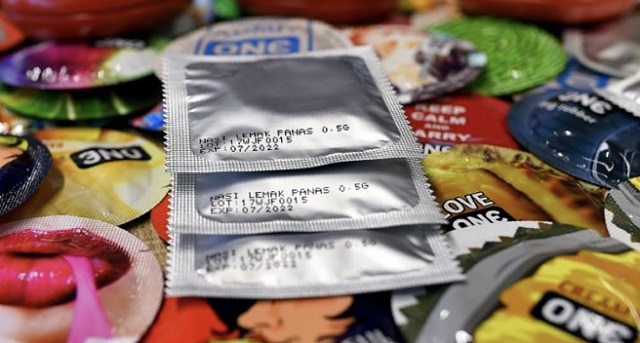
COMMENT | SHEILA KASABIITI | For decades, condom use campaigns and advocacy in Uganda have rightly focused on raising awareness of the benefits of condoms, debunking misinformation, and promoting access, affordability, and correct usage. But there is a missing piece in this communication chain: “What happens after use?”
With the reduction of new HIV infections in Uganda shown by recent data, there’s significant progress in the fight against the epidemic. New HIV infections declined by more than 60% since 2010, dropping from around 96,000 to an estimated 37,000 in 2024, and AIDS-related deaths have fallen sharply as well, according to the Uganda AIDS Commission (UAC) 2024 report. more than
200 million male condoms were distributed, a notable increase from 2023 (138+) and 2022 (131+). This is a testament that public health campaigns around condom use, testing, and treatment are effective and efficient in preventing transmission.
However, this success has unintentionally exposed another growing concern, the increasing prevalence of improperly discarded used condoms in open spaces like drainage channels, beaches, and urban streets. While we celebrate progress in prevention, we must also confront the environmental pollution, public hygiene risks, and social discomfort caused by this irresponsible disposal. If prevention campaigns are succeeding inside private spaces but creating sanitation challenges in public, then our advocacy is incomplete.
At a time when Uganda is grappling with plastic pollution and environmental degradation, overlooking condom disposal in advocacy messaging undermines broader environmental protection efforts.
Visible condom waste in communities often fuels stigma and backlash against sexual and reproductive health programs. In more conservative settings, it reinforces perceptions of moral decline and weakens community support for otherwise life-saving interventions. This even risks eroding the trust and acceptance of the campaigns.
The solutions are not complex. Condom promotion campaigns must incorporate clear, consistent messaging on proper disposal as part of responsible use. After use, condoms should be carefully removed to avoid spillage, tied or wrapped in tissue, and placed in covered waste bins, never flushed down toilets or discarded in open spaces.
Condom distribution programs, whether led by government, NGOs, institutions/universities, or hospitality facilities, should be accompanied by disposal infrastructure. Public toilets, bars, lodges, beaches, and entertainment venues that distribute condoms must also provide discreet, covered bins.
The National Comprehensive Condom Programming Strategy and Implementation Plan 2020 – 2025 under Priority 1.3 pushes to train condom distributors (both in the private and public sectors) on correct condom use and disposal and promotion for triple protection. However, disposal indicators are barely tracked, indicating a need for harmonisation.
The National Environment Act and the National Environment (Waste Management) Regulations, 2020 require that all waste be managed safely, without harm to human health or the environment. Under these laws, improperly discarded condoms in drains, streets, or public areas fall under general waste violations and can be considered a breach of public and environmental safety obligations.
Advocacy must move from simply encouraging use to promoting full-cycle responsibility. Only then can we truly say that condom use campaigns protect not just individuals but communities and the environment as well. Sexual health advocacy cannot operate in isolation from sanitation planning.
******
 Sheila Kasabiiti, Technical Specialist SRHR – Reach A Hand Uganda