 The Independent Uganda: You get the Truth we Pay the Price


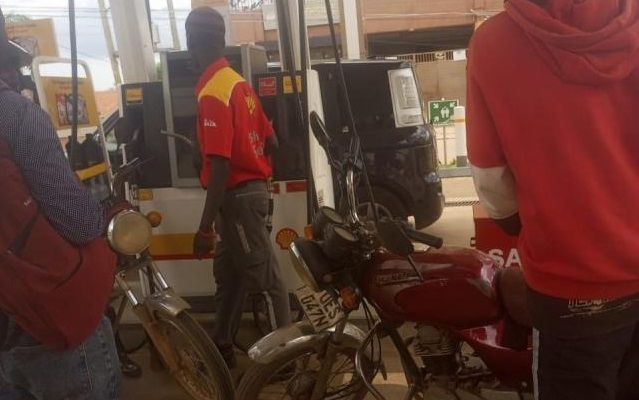
Kampala, Uganda | URN | Motorists across Kampala are scrambling for fuel after a shortage that first hit upcountry stations earlier this week spread to the capital, triggering long queues, price hikes, and growing frustration among transport operators.
On Friday, most outlets operated by Shell and TotalEnergies were found without fuel. At several stations, attendants stood idle or turned away motorists, informing them that petrol stocks had run dry, while others had hiked the cost to about 6000 Shillings per litre of Petrol.
Industry players attribute the shortage and price volatility partly to global oil market disruptions. Rising tensions involving Iran, a key player in global energy supply, have heightened uncertainty in international oil markets.
Iran’s strategic position along the Strait of Hormuz, a critical shipping route through which a significant portion of the world’s oil passes, means that any instability in the region can disrupt supply chains, increase shipping risks, and drive up global crude prices. These global pressures, combined with a weakening Uganda Shilling, have increased the cost of importing fuel, contributing to both higher pump prices and intermittent supply shortages locally.
Although Uganda’s Ministry of Energy and the Uganda National Oil Company (UNOC) maintain that national fuel reserves are stable, the situation on the ground in Kampala tells a different story, with frequent stock-outs and steadily rising prices leaving motorists increasingly strained.
John Bosco Kayizi, a boda boda rider in Kabalagala, was eventually able to refuel at a Rubis Energy station in Kibuli after riding several kilometres from Kansanga in search of petrol. He said he had bypassed at least five dry stations operated by major suppliers. Kayizi said it was extremely difficult to find fuel, noting that he had to ride around Kampala searching for stations such as Rubis, Kobil, and Stabex that still had petrol, as most Shell and TotalEnergies outlets, despite being the largest suppliers, were dry.
URN observed long queues at Kobil in Kamwokya and Rubis in Kibuli, as motorists reported moving from one empty station to another. Moses Tumuhimbise, a boda-boda rider along Jinja Road, said the few stations still operating have raised pump prices sharply, with petrol climbing from about 5,000 to 6,000 Shillings per litre in some locations.
Other riders, including Enock Mukiibi in the city centre, warned that if the shortage persists, many operators will be forced to temporarily park their motorcycles due to unsustainable costs.
Taxi operator John Kamya, speaking from City Oil in Kamwokya, said the rising fuel costs are already cutting into their operations. He noted that some drivers have reduced the number of trips they make within Kampala to cope with the situation and urged government intervention to secure alternative fuel supplies.
Tumuhimbise added that the situation was worsening by the minute, explaining that his daily fuel expenses had risen from about 30,000 Shillings to between 40,000 and 45,000, Shillings everyday, even as customers remained unwilling to accept higher fares. Frank Mawejje, the Chairman of the Boda Boda Union Association, said the sector, long a backbone of urban livelihoods and the informal economy, is under mounting pressure due to escalating fuel costs.
He noted that fuel prices now range from about 5,400 per litre within the Greater Kampala Metropolitan Area to as high as 7,000 Shillings upcountry, significantly raising the cost of doing business.
“The fuel hike means boda boda riders are spending more while earning less. It affects our work because higher fares drive away passengers. Profit margins shrink, and gradually, customer numbers decline,” Mawejje explained.



Even after stopping the Iran war, fuel prices will continue hiking because alot of set ups have been devastated and putting all fuel facilities in order will cost the world a price. Developed or underdeveloped, powerful or powerless, we shall all taste of the bitterness or sweetness of the Iran war. The rich will take advantage of this situation to exploit the poor countries even more by hoarding and hiking the fuel prices. Other rich people thirst for money will make bulky purchases and stock fuel in their homes for illegal distribution to make huge Profits but that is very risky as you can’t co-exist with fuel in jerrycans under the same roof.May be they can hide it underground in their gardens for safety.Many will switch to Devices using electrical power but even generating power needs fuel. We are not safe either. We pray for God’s intervention now.