The Independent Uganda: You get the Truth we Pay the Price


Kampala, Uganda | THE INDEPENDENT | The Uganda Revenue Authority (URA) has recorded sustained growth in domestic revenue collections, driven in part by improvements in tax administration and the adoption of digital enforcement tools, according to the 2024/25 Auditor General’s Report.
The report shows that total government revenue rose from Shs22.098 trillion in 2021/22 to Shs32.357 trillion in 2024/25, representing a 40 per cent increase and a Shs10 trillion gain over the period.
The upward trend in revenue collections is partly attributed to “improved tax administration by URA, through the introduction of solutions like the Electronic Fiscal Receipting and Invoicing Solution (EFRIS), as well as the Digital Tax Stamps (DTS), which have increased compliance levels among taxpayers,” the Auditor General’s report states.
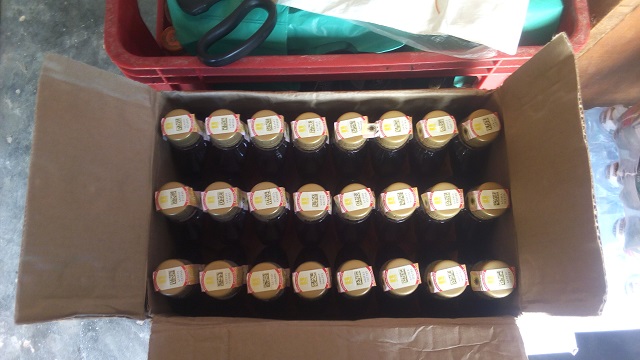
A key contributor to this performance has been the Digital Tax Stamp Solution (DTS). Implemented by SICPA Uganda under the oversight of URA, the system requires excisable products to carry secure digital stamps at the point of production or import, enabling tracking throughout the supply chain and reducing revenue leakages.
Real-time monitoring under DTS has coincided with a 29 percent increase in customs and excise tax collections, alongside strong growth in VAT and income tax revenues.
The system has also influenced market behaviour. Simba Cement Uganda is among manufacturers that have publicly endorsed DTS, citing its role in curbing illicit trade and counterfeits.
“Digital tax stamps have helped reduce smuggling and make it easier to identify genuine cement products on the market, ensuring that taxes due are paid and creating fair competition for compliant manufacturers,” a Simba Cement official said.
From a policy perspective, government officials say digital systems are expanding fiscal space without raising tax rates. Speaking at the 2025 Uganda Economic Update, the Acting Permanent Secretary and Secretary to the Treasury, Patrick Ocailap, said technology was central to modernising tax administration.
“The use of digital systems is great for our country and will help URA collect more revenue, such as digital stamps on everyday products that we find in the supermarkets,” Ocailap said, adding that improved compliance was key to widening the tax base.
President Museveni has similarly linked DTS and EFRIS to government’s revenue and anti-corruption agenda. In his 2025 State of the Nation Address, the President said digital systems would reduce discretion and opportunities for abuse in tax processes.
“Digital Tax Stamps and EFRIS are key to ensuring accurate revenue declarations,” the President said.
Since its introduction in 2019, compliance under DTS has continued to improve, with 1,680 taxpayers currently registered under the system, covering excisable products including alcoholic beverages, soft drinks, cement, cooking oil, sugar, tobacco and bottled water.
As government targets Shs37.2 trillion in revenue in the 2025/26 financial year, digital tools such as DTS are expected to continue playing a role in improving efficiency, accountability and revenue performance.