The Independent Uganda: You get the Truth we Pay the Price


Kampala, Uganda | MOTORING | Navigating Uganda’s diverse landscapes requires reliable car rental options for both tourists and business travelers. Car hire Uganda services have evolved significantly for 2025, offering better vehicles and streamlined processes for visitors.
However, driving in this East African nation comes with unique challenges that demand proper preparation and understanding of local requirements.
Road conditions vary dramatically from Kampala’s congested streets to remote wildlife areas, making safety knowledge essential before getting behind the wheel.
This comprehensive guide covers everything you need to know about renting and driving a car safely in Uganda, from license requirements and traffic rules to choosing the right vehicle and understanding rental costs for your Ugandan adventure.
Understand the driving laws in Uganda
Driving age and license requirements: The legal driving age in Uganda is strictly set at 18 years. This minimum age requirement applies to all drivers regardless of nationality or origin. Its always a wise to check the age limit set by a given company before booking a Uganda self drive car.
For tourists planning to rent a car, most companies require drivers to be at least 21 years old, though some agencies set their minimum age at 23 years and require that you’ve held your license for at least 2 years.
The international driver’s licenses (permits): An International Driving Permit is strongly recommended for all visitors planning to drive in Uganda. In fact, many car rental Uganda Self drive Companies particularly international brands will not release a vehicle without seeing an IDP alongside your original license.
Updated Traffic rules and speed limits: In Uganda, drivers must keep to the left side of the road, which may require adjustment for visitors from countries with right-hand driving. The country has recently updated its speed regulations to enhance road safety, especially in high-risk areas.
- 30 km/h in high-risk areas (schools, hospitals, markets, residential areas)
- 50 km/h in urban centers and highways through towns
- 80 km/h on rural roads and expressways
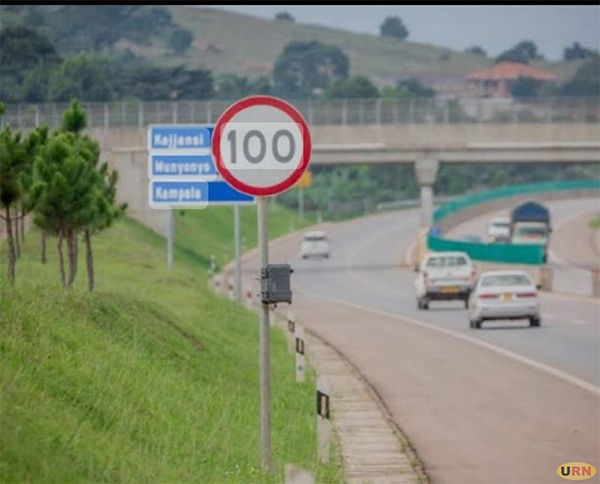
- 100 km/h on designated expressways and highways
Violations can result in substantial penalties. Exceeding speed limits by 1-30 km/h incurs a fine of UGX 200,000, while exceeding by more than 30 km/h results in a UGX 600,000 fine. These fines must be paid within 72 hours to avoid a 50% increase.
Top 4 essential safety tips for driving in Uganda
Safety awareness forms the cornerstone of an enjoyable driving experience in Uganda. With varied road conditions and unique traffic patterns, knowing what to expect can make the difference between a smooth journey and a problematic one.
Avoid driving in the night: Nighttime driving in Uganda presents significant dangers that are best avoided altogether. According to safety reports, fatal accidents are five times more likely to occur at night than during daytime hours. This elevated risk stems from several factors that are so minimal to avoid in the night.
For tourists using car rental Uganda services, it’s strongly advised to plan journeys that conclude before sunset. Should you absolutely need to travel after dark, stick to the well-maintained route between Kampala and Entebbe International airport.
Lookout for motorcyclists and pedestrians: Boda bodas typically weave unpredictably through traffic, overtake dangerously, and often disregard traffic signals. Generally, they operate with minimal compliance with traffic rules, making them exceptionally unpredictable road users.
Pedestrians also pose challenges, specifically in rural areas where many walk along roadsides without reflective clothing. Exercise extreme caution and reduce speed in areas with heavy pedestrian traffic, predominantly near markets, schools, and town centers.
Adapt to using GPS platforms and Google maps: Applications like Google Maps allow you to download areas for offline use, providing directions without requiring data connectivity. Alternative options include Maps.me, HERE WeGo, and Sygic, all offering comprehensive offline navigation capabilities.
When selecting a car rental Uganda service, inquire about GPS devices as many companies provide them as additional equipment. Even with technology, asking locals for directions remains helpful as they can provide valuable insights about road conditions and shortcuts.
Be extra careful and cautious in the rural areas: Wildlife and livestock regularly cross rural roads, typically during early mornings and evenings. Drive cautiously near water sources or forested areas where animal crossings are common.
Fuel availability presents another concern in rural settings. Always ensure your tank is full before leaving major towns, ideally carrying an additional jerrycan for emergencies. Be mindful that roadside assistance is limited in remote areas, so basic vehicle troubleshooting knowledge is advantageous.