The Independent Uganda: You get the Truth we Pay the Price


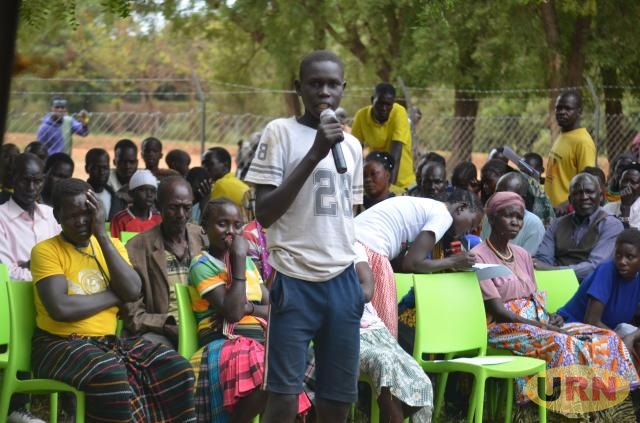
Nabilatuk, Uganda | URN | “No relative is giving us attention because they are also equally vulnerable.” Those are the words of 12-year-old Emmy Lokol, a resident of Nabilatuk district, who says he and his 10-year-old brother have been left to fend for themselves after their parents and elder brother were arrested and remanded on murder charges.
Lokol and his brother, John Aleper, 10, have since dropped out of school, with the two children struggling to find food and other necessities in Welthunger Village, Nabilatuk Sub-county. Lokol was in Primary Four and Aleper in Primary Two at Acegeretolim Primary School when their lives changed in January 2026 following the arrest of their parents, Veronika Lemukol and Mariko Iriama, and their brother Francis Moru.
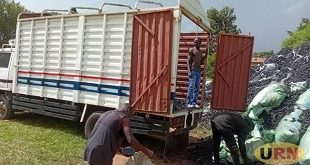
The three were arrested in connection with a murder case and remanded to Nakapiripirit Government Prison. Since then, Lokol says, there has been no one to consistently look after the children. The responsibility of finding food and surviving has instead fallen on the two brothers, forcing them to turn to charcoal burning.
“We are traumatised. We cannot actively participate in class because of the burden we have at home,” Lokol said. The children have also been unable to secure the release of their parents on bail despite the family selling land to raise money. Lokol said a neighbour who bought part of their land gave them Shs300,000 upfront, with the balance expected to be paid after their parents were released. Lokol said it was spent on transport and food during a prison visit.
“We hired a cyclist who is also our relative and handed over all the money to him to facilitate fuelling of the motorcycle and buying foodstuff which we carried to prison,” he said. For the children, the cost of pursuing the case has become another burden. A URN verification found that a return boda boda journey from Nabilatuk to Nakapiripirit, about 57 kilometres away, costs between Shs60,000 and Shs80,000.
Lokol says travelling to court has therefore become difficult for the family, whose resources are already stretched. But prison authorities have questioned why relatives would need to spend money buying food for the remanded suspects. Samuel Bosco Eisa, the Deputy Officer in Charge of Nakapiripirit Prison, said inmates receive meals from the prison.
“Prisoners are given breakfast, lunch and supper daily, and therefore there would be no need for anyone carrying food to visit the imprisoned person unless otherwise,” Eisa said. The children’s situation has brought renewed attention to the difficulties residents of Nabilatuk face in accessing justice. Residents must travel more than 50 kilometres to Nakapiripirit to attend court, often at their own expense.
They also say complainants can be required to meet the costs of transporting suspects and facilitating witnesses. The irony is that Nabilatuk itself has a fully furnished Grade One Magistrate’s Court with staff quarters for judicial officers. The facility was renovated and handed over in 2025, but it remains unused.
The last court session in Nabilatuk was held in 2024 before judicial services were moved to Nakapiripirit. Residents are now questioning why they continue to travel long distances for court services when they have a completed court facility in their district. They have also raised the issue of local representation within the judiciary, pointing to Justice Jane Frances Abodo, who hails from the area and serves as Uganda’s Principal Judge.
James Opio, the Moroto Chief Magistrate, has challenged Nabilatuk district leaders to join the judiciary in pushing for the operationalisation of the court. Opio said one of the challenges facing the region is the reluctance of some judicial officers to work in Karamoja. “Most judicial officers fear working in the Karamoja sub-region,” Opio said, adding that he would engage the judiciary’s top leadership on how the challenge can be addressed.
He said the judiciary would also engage relevant authorities on bringing justice services closer to the people. For Lokol and his younger brother, however, the consequences of the long journey to justice are already being lived at home. Their classroom days have been replaced by the struggle to find food, while charcoal burning has become their means of survival as they wait for their parents’ case to be resolved.