The Independent Uganda: You get the Truth we Pay the Price


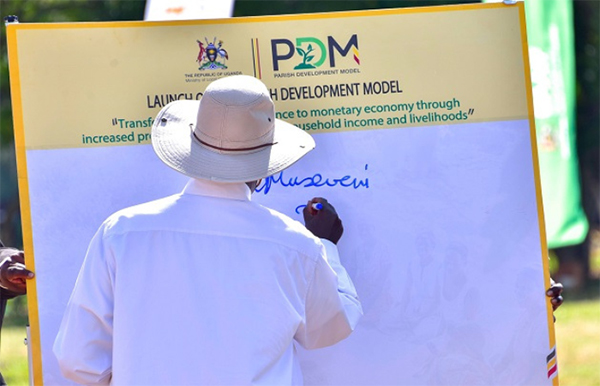
COMMENT | NANTEZA SARAH KYOBE | President Yoweri Museveni’s remarks at his inauguration for a seventh term and at the election of the Speaker of the 12th Parliament have set a tone of urgency and high expectation that complacency and underperformance would no longer be tolerated from all public officials.
In his inaugural speech early this month, he declared, “This is Kisanja no sleep; Kisanja no corruption.” This bold declaration captured the president’s vision of a government that tirelessly works to uplift its people and eradicate corruption at every level.
Likewise, his remarks during the election of the 12th Parliament Speaker and his deputy reflect a similar sentiment, as he cautions against retaining ministers who allow their areas to remain in poverty.
The president is clearly urging ministers to wake up and combat poverty in their areas by using the resources the government has allocated to them. This call to action is rooted in the belief that effective leadership and the proper use of resources are key to transformative change. Ministers are expected to closely monitor and evaluate the impact of government programs, ensuring that every investment yields tangible improvement in the lives of ordinary Ugandans.
The government has introduced several initiatives, including the Parish Development Model, Emyooga, Presidential Skilling Hubs, the Skilling the Boy and Girl Child Program, Operation Wealth Creation, the Uganda Women Entrepreneurship Program (UWEP), and the Youth Livelihood Program. These programs are designed to address the root causes of poverty, create economic opportunities, and empower marginalized segments of the population. However, their success depends on robust oversight, transparent funding allocation, and active community involvement.
Despite the government’s launch of these poverty alleviation initiatives, minimal progress has been made. This is largely because leaders often fail to ensure that these programs are effectively implemented in their constituencies. Too often, there is a disconnect between national policy formulation and on-the-ground execution, resulting in missed opportunities to lift communities out of poverty.
Our leaders disappoint us, yet we are the same people they seek to win over during election seasons. Ironically, our leaders often forget their voters as soon as elections end. This cycle of neglect breeds sarcasm and apathy, eroding trust in leaders.
Once elections are over, the constituencies become an afterthought, and when leaders do pass through, their tinted car windows are rolled up to avoid recognition, often justifying this behaviour by claiming that voters will demand money. This physical and emotional distance only deepens the gulf between leaders and those they are meant to serve, leaving citizens feeling abandoned and voiceless.
If the president feels this level of bitterness toward leaders who are neglecting their responsibilities, one can only imagine the plight of a disadvantaged voter who aspires to eliminate poverty with the assistance of their leaders, ranging from the minister down to the local Council (LC1), who should be guiding them toward appropriate initiatives.
Unfortunately, too many leaders seem primarily concerned with advancing their own interests and those of their families, rather than championing community-led development. This pervasive self-interest suffocates meaningful change from taking root at the grassroots level.
I would readily recommend to President Museveni that the dismissal of officials should not be limited to ministers; it must also encompass all leaders responsible for implementing government initiatives. That is the only we are to witness a positive transformation for the benefit of the populace and the nation as a whole.
These leaders include the Chief Administrative Officers (CAOs) overseeing district funds; the Resident District Commissioners (RDCs) responsible for coordinating government programs and supervising the provision of public services within the district; and permanent secretaries managing government affairs, among others.
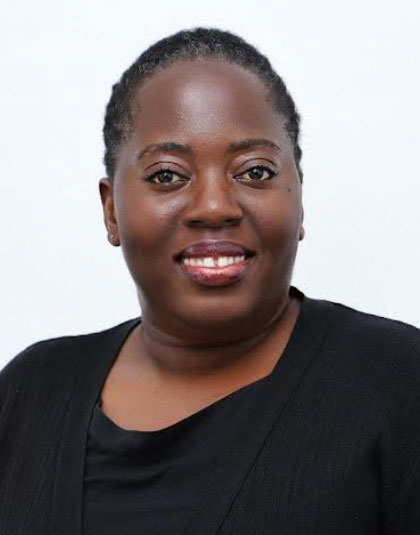 Nanteza Sarah Kyobe works with Uganda Media Centre