The Independent Uganda: You get the Truth we Pay the Price


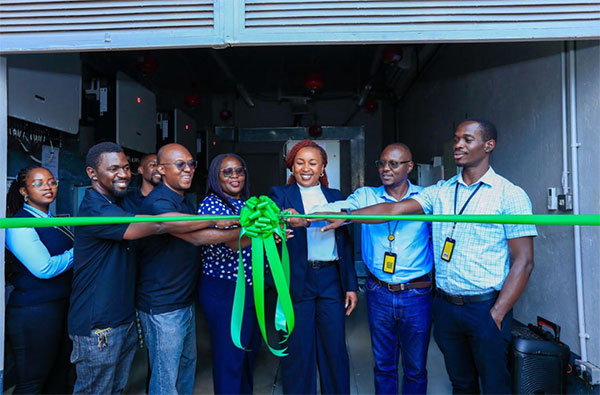
The development forms part of MTN Group’s “Project Zero” programme, launched in 2021, which targets net-zero emissions by 2040 in line with the Paris Agreement
Kampala, Uganda | THE INDEPENDENT | MTN Uganda has unveiled a solar power system at its Kampala headquarters, as the telecoms group deepens its push to cut emissions, rein in energy costs and reduce reliance on conventional electricity sources.
The installation, valued at more than $370,000, comprises 1,188 solar panels with a total capacity of 490 kilowatts. At peak generation, the system is expected to supply about a quarter of the office’s electricity needs, underscoring a growing shift among large corporates towards on-site renewable energy.
The project was commissioned during the company’s inaugural sustainability week on April 22, with the Chief Executive Officer, Sylvia Mulinge, describing it as part of a broader effort to align operational efficiency with environmental responsibility.
“We, at MTN Uganda, believe that everyone should enjoy the benefits of a modern, connected life. However, we are equally focused on building a business that is resilient, future-ready and responsible,” she said.
“This investment reflects our commitment to reducing our environmental footprint while continuing to deliver reliable and efficient services.”
Mulinge added that sustainability has moved from the margins to the centre of the company’s strategy, shaping how it invests, innovates and runs its operations.
The development forms part of MTN Group’s “Project Zero” programme, launched in 2021, which targets net-zero emissions by 2040 in line with the Paris Agreement.
MTN Uganda says it has already reduced its greenhouse gas emissions by 43 per cent from its 2021 baseline, driven by a shift towards cleaner energy and improved efficiencies. More than 90 per cent of its network sites are now powered by renewable or low-carbon energy, including hydroelectricity, solar and lithium-ion battery storage.
At office level, the company has introduced a series of measures aimed at lowering energy consumption and waste. These include replacing fluorescent lighting with energy-efficient LED systems, alongside recycling initiatives and the digitisation of internal processes to minimise paper use. In 2022, the company recycled about one tonne of paper through a local processor in Mukono District.
Kiira Motors Corporation
Beyond its core operations, MTN Uganda has extended its sustainability agenda into transport through a partnership with Kiira Motors Corporation. The collaboration has supported a 13,000-kilometre electric bus journey across Africa, designed to demonstrate the viability of long-distance electric mobility, as well as the use of locally manufactured electric buses for corporate transport.
Executives say the solar installation is intended not only to reduce emissions but also to improve energy reliability and manage rising power costs — a persistent concern for businesses operating in many African markets.
Companies across the continent are increasingly investing in renewable energy as they grapple with high electricity tariffs, climate-related risks and tightening expectations from regulators and investors on environmental performance. Distributed solar systems, in particular, are gaining traction as firms seek greater control over their energy supply while advancing decarbonisation targets.
For MTN Uganda, the Kampala installation marks another step in embedding sustainability within its core business, reflecting a broader trend among African corporates seeking to balance growth with environmental responsibility.