The Independent Uganda: You get the Truth we Pay the Price


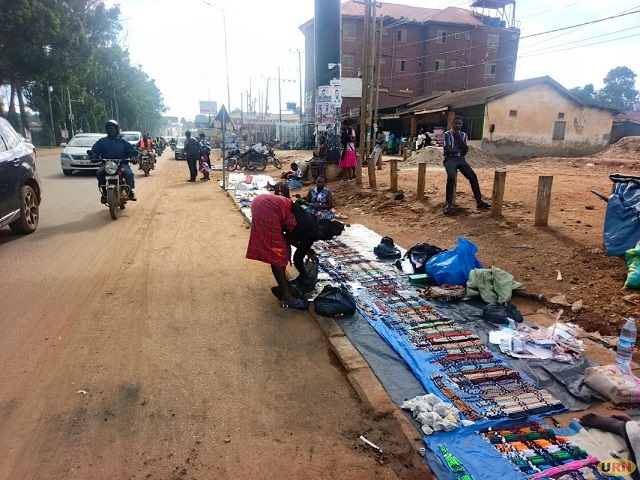
Kampala, Uganda | URN | Every year on June 3, the Namugongo Martyrs sites become more than places of prayer. They also turn into a thriving commercial center. The annual influx of pilgrims creates a vibrant marketplace, with vendors selling rosaries, images of the martyrs, prayer books, food, drinks, clothing, and souvenirs.
Photographers earn a living capturing memories, lodges operate at full capacity, and restaurants enjoy some of their highest sales of the year. This year, the scene is strikingly different. Following the government’s decision to scale down the national celebrations over Ebola concerns, linked to an outbreak in eastern Democratic Republic of the Congo, pilgrims were discouraged from travelling to Namugongo.
The absence of the usual crowds has left many businesses around the shrines counting losses and struggling with sharply reduced sales. Annet Namazzi, a vendor who sells religious items, had already paid 800,000 Ugandan shillings for her spot before the cancellation was announced. She noted that spaces are typically rented out according to size, with fees ranging from 500,000 to 1 million shillings for the week.
Vendors receive receipts upon payment and can technically claim refunds, but many, including Namazzi, have chosen not to. “Most vendors have not reclaimed the money because they will wait and take their spots next year,” she explained. Claiming a refund now, she added, risks losing the prime location to others who might secure it for future events.
Photographers, who usually thrive by taking portraits of pilgrims and providing soft or hard copies as keepsakes, have also been hit hard. Gilbert Agupia, a photographer who declined to disclose his normal earnings, said this year he could not even make a tenth of what he would typically earn in a single busy day.
Nalongo Florence Nayiga, who operates an eatery just opposite the Catholic martyrs’ shrines, described the situation as particularly tough. Her business had already faced setbacks when their makeshift containers were affected by trade enforcement actions, and she had counted on the Martyrs’ Day rush locally called “Kalooli Day” to recover.
Shadia Banji, another vendor in the area, noted that the Ebola outbreak has impacted them so much. “Sales on that day are unmatched,” she said, noting that most of those who did show up this year were residents rather than the usual influx of pilgrims eager to buy.
Isaac Muwawu, manager of a lodge, echoed the frustration. Normally, the two weeks around the celebrations bring booming business as pilgrims seek accommodation, but this year the lodges stand largely empty. The Church itself has felt the impact. Thousands of magazines detailing the order of Mass and information about the martyrs were printed and priced at 5,000 shillings each.
Ushers reported very slow sales. “Most of the information here is on the martyrs, and pilgrims usually buy it as a souvenir for the day,” one usher said. “But those who have come are mostly parishioners here, and many are not buying.” For residents of Namugongo, the scaled-down event has brought a rare benefit: a more peaceful holiday without the usual week-long road closures and disruptions. Many who typically leave the area during the festivities have stayed home this year.
While the decision prioritizes public health amid the Ebola threat, it has left many small business operators who rely on the annual pilgrimage facing significant financial setbacks. With hopes pinned on next year’s return to normal, vendors and service providers are left reflecting on the dual nature of an event that is both a profound spiritual occasion and a vital economic lifeline for the local community.