The Independent Uganda: You get the Truth we Pay the Price



Kampala, Uganda | THE INDEPENDENT | The Kampala City Traders Association has warned that proposed tax amendments for the 2026/27 financial year could increase the cost of doing business, constrain cash flow and push more enterprises into informality if not revised.
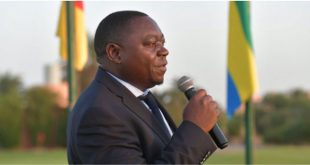
Presenting their memorandum to the Finance Committee chaired by Deputy Chairperson Moses Aleper on Tuesday, 8 April 2026, KACITA Chairperson, Isa Sekito said although traders appreciate government’s efforts to boost revenue, the timing of the proposals is challenging for businesses still recovering from economic shocks.
“The business community appreciates government’s continued efforts to enhance domestic revenue mobilisation. However, the proposed amendments come at a time when businesses particularly micro, small and medium enterprises are still recovering from multiple economic shocks,” he said.
KACITA, which represents over three million traders from different sectors noted that while the tax proposals are “well-intended,” they could “inadvertently increase the cost of doing business, constrain cash flow, and reduce the competitiveness of local enterprises”.
Sekito highlighted concerns with the proposed Income Tax (Amendment) Bill 2026, particularly new withholding taxes and the introduction of a 0.5 per cent Alternative Minimum Tax (AMT) on businesses declaring losses for seven consecutive years.
“The 0.5 percent Alternative Minimum Tax penalises businesses that are genuinely making losses due to economic challenges,” he said adding that, ‘this discourages investment and business recovery’.
He added that a proposed 10 per cent withholding tax on telecom agents would hit low-margin operators.
“The 10 percent withholding tax on commissions directly reduces earnings of agents and distributors, many of whom operate on thin margins,” Sekito said.
On the Value Added Tax (Amendment) Bill 2026, KACITA argued that the proposed increase in the VAT registration threshold from Shs150 million to Shs250 million is insufficient.
“The 18 per cent rate increases the final price of goods and services, reduces affordability and domestic consumption, and makes Ugandan businesses less competitive compared to regional peers,” he added.
He warned that high VAT discourages compliance, with many businesses opting to remain informal. KACITA proposed raising the threshold further to at least Shs1 billion and reducing VAT from 18 per cent to 16 percent to align with regional markets.
Turning to the Stamp Duty (Amendment) Bill 2026, Sekito cautioned against doubling stamp duty on land transactions from 1.5 percent to three per cent.
“Doubling stamp duty on land transfers significantly raises the cost of acquiring business premises and discourages investment,” he said.
He also opposed new stamp duties on vehicle registration and transfers, noting these would raise transport and logistics costs that are ultimately passed on to consumers.
KACITA expressed strong reservations about the Excise Duty (Amendment) Bill 2026, warning that increased taxes on fuel, sugar, cooking oil, and cement would drive inflation.
“Higher fuel prices will raise transportation and distribution costs and affect supply chains across all sectors. Businesses will pass these costs to consumers,” Sekito said.
KACITA also opposed proposals in the External Trade (Amendment) Bill 2026 to increase surcharge on used clothing from 15 per cent to 30 per cent.
“This represents a 100 per cent increase in surcharge burden, which is highly unsustainable for traders,” Sekito said warning of job losses and reduced compliance.
He noted that the sector currently contributes about Shs280 billion annually and supports thousands of livelihoods.
In a related development, the Uganda Manufacturers Association (UMA) has called for the amendment of the Tax Appeals Tribunal Act, to review the requirement for taxpayers to pay 30 per cent of assessed tax before filing an appeal.
UMA officials led by Chairperson Richard Sekalala said the provision is stifling business operations and denying taxpayers access to justice.
UMA Member, John Jet Tusabe said the requirement applies across board regardless of the nature of the dispute or the taxpayer’s financial capabilities.
“The charge is regardless of whether the appeal is an issue of interpretation, or whether the assessment has clear errors that have to be corrected, or regardless of whether the tax payer has capacity today the 30 per cent,” he said.
On broader tax reforms under the committee’s scrutiny, UMA proposed amendments to the Income Tax Amendment Bill, 2026, urging government to either eliminate or reduce the proposed 40 per cent income tax rate to 35 per cent, arguing that it undermines Uganda’s competitiveness and investment climate.
“Workers are already over taxed, attraction and retention of talent in Uganda is increasingly becoming difficult partly due to the unfavorable PAYE tax rates,” Tusabe said.
The manufacturers proposed increasing the Pay As You Earn (PAYE) threshold from Shs235,000 to Shs500,000 per month, citing the rising cost of living and warning that excessive taxation could undermine compliance and affect revenue collection.
The manufacturers also objected to new and revised excise duties on selected products, including a three per cent tax per litre or kilogram of locally produced paints and 10 per cent on imported paints, as well as the increase in tax on cement from Shs500 to Shs1,000 per 50KGs.
However, UMA welcomed the proposal to extend the tax holiday for Bujagali Hydro Power Project to seven years, pledging to submit further evidence to the committee to justify the continued tax exemption.
Bungokho Central Representative, Richard Wanda cited a case where the Uganda Revenue Authority assessed a taxpayer at Shs33 billion, but the tribunal later determined the actual liability at Shs8 billion. He said that requiring such a taxpayer to first pay 30 percent of the initial assessment risks crippling businesses.
****
SOURCE: Parliament of Uganda