 The Independent Uganda: You get the Truth we Pay the Price


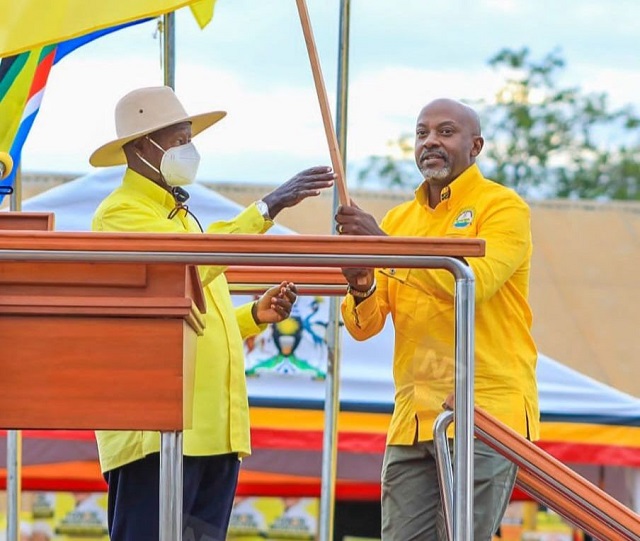
Mubende, Uganda | THE INDEPENDENT | Dedan Mubangizi’s victory in the Buwekula South parliamentary race, ultimately affirmed through a court-ordered recount, emerged from a political environment shaped by deep national uncertainty.
The just concluded general election was widely criticized for voter bribery, ballot stuffing, failures in the biometric voter verification system, clashes between opposition supporters and security agencies, and internal divisions within political parties.
In such a climate, public trust in electoral processes was fragile, and many constituencies turned inward, judging candidates less by party affiliation and more by credibility built over time.
In Buwekula South, this context was particularly significant. For decades, the constituency had resisted party dominance, consistently electing independent Members of Parliament. This pattern reflected long-standing voter skepticism toward organized party politics and a preference for individual accountability. Even Mubangizi’s main challenger, Fred Tumwesigye, whose initial victory was later nullified by court due to electoral irregularities, contested as an independent.
Against this backdrop, Mubangizi’s emergence as one of the few National Resistance Movement MPs from Buganda, a region increasingly viewed as an opposition stronghold under the National Unity Platform, represented a notable political shift.
That shift, however, was not driven by party machinery or the high-stakes mobilization that often defines Ugandan elections. Instead, it was the result of sustained grassroots engagement that began years before the campaign season. As early as 2022, long before nominations were announced, Mubangizi was active across the constituency, quietly building relationships grounded in service rather than rhetoric.
Health interventions became one of the most visible symbols of this approach. In July 2024, Mubangizi sponsored a three-day medical camp in Kibyamirizi that treated over 10,000 residents, providing eye care, dental services, general medical check-ups, and free medication.
Beyond temporary outreach, he supported local health facilities with tangible equipment, including ultrasound machines, delivery beds, and patient beds for Kitenga Health Centre III, and earlier facilitated the acquisition of an ambulance and CT scan equipment for the Health Centre IV. For many residents, these actions marked a rare experience of leadership responding directly to everyday needs without campaign conditions attached.
Education formed another critical pillar of his engagement. Mubangizi supported individual learners to remain in school, provided scholastic materials, and contributed to school infrastructure development. In November 2024, he led and supported a fundraising initiative that raised 120 million shillings for the construction of St. Mark Kayebe Secondary School, the only secondary school in Kayebe parish. Parents and teachers frequently cited this intervention as evidence of long-term commitment rather than short-term political calculation.
Economic integration further strengthened his standing. As a dairy farmer, Mubangizi consistently bought milk from farmers across the constituency, creating a reliable local market.
This daily economic interaction placed him within the rhythms of community life, blurring the line between political actor and economic participant. In rural constituencies, such integration often carries more weight than campaign speeches or party manifestos.
Infrastructure support complemented these efforts. Mubangizi regularly mobilized communities to rehabilitate feeder roads, often working alongside residents. Improved road access eased the movement of agricultural produce to markets, directly addressing one of the constituency’s most persistent challenges. These practical interventions contrasted sharply with the national election narrative, which was dominated by allegations of manipulation and institutional failure.
Youth engagement also played a subtle but influential role. Through the organization of football tournaments and support for youth teams, Mubangizi created consistent platforms for interaction with young people, many of whom felt excluded from conventional political processes. Sports served as a social connector rather than a campaign spectacle.
By the time nomination forms were officially picked, Mubangizi had already established himself as a familiar and trusted presence. When the election results were contested and a recount ordered, the court’s final decision to declare him winner aligned with sentiments that had been built over years of engagement at the grassroots.
In an election season marked nationally by mistrust, confrontation, and transactional politics, the Buwekula South outcome highlighted an alternative political pathway. Mubangizi’s victory underscored the enduring power of sustained presence, practical service, and community integration in a constituency known for political independence. It suggested that even in a flawed electoral environment, long-term grassroots credibility can outweigh party labels, money politics, and last-minute mobilization.


