 The Independent Uganda: You get the Truth we Pay the Price


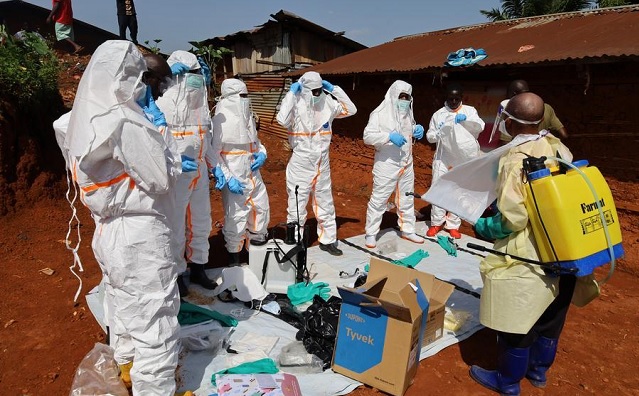
Kampala, Uganda | URN | A new risk assessment by the World Health Organisation (WHO) shows that the risk of transmission of Ebola Bundibugyo viral disease remains high in Uganda and very high in the neighbouring Democratic Republic of the Congo (DRC), raising concern over potential cross-border spread.
According to the report released on Wednesday, the organisation notes that while they have not recorded cases yet, countries that share land borders with Uganda and the DRC are also at a high risk, although there is a low risk of the disease spreading further to other countries in the African region.
As of Wednesday, Uganda had recorded nineteen confirmed cases of Ebola, of which fourteen are imported from DRC, where the country has had confirmed 515 cases and some 91 deaths by Monday.
While there is moderate information available in Uganda, WHO reports that the outbreak has continued to expand, revealing a case that was reported of a Congolese national who travelled from the Democratic Republic of the Congo, via Uganda, to the United Arab Emirates and then back to Uganda.
“WHO is working with public health authorities in the United Arab Emirates and Uganda to gather additional information to assess the risk of exposure and facilitate contact tracing through the National International Health Regulations (IHR) Focal Point mechanism”, reads the report in part detailing that following notification of the case, the United Arab Emirates authorities rapidly implemented risk assessment, contact tracing activities and follow-up of identified contacts however epidemiological investigations to date have not identified any secondary cases, local transmission, or evidence of onward spread in the country.
Locally in Uganda, the report shows transmission has not expanded beyond Kampala and Wakiso districts.
In Uganda, the Ministry of Health, Dr Daniel Kyabayinze, who heads Public Health, says all the cases so far registered in the country are imported and therefore there’s still no local transmission in the country.
“We have so far had two deaths, both Congolese Nationals. We don’t have Ebola in Uganda, I mean, in our community, but people are being treated here. They are twelve. All we require of Ugandans is to be vigilant and seek information through trusted channels”, he said.
Meanwhile, in Congo, the situation is still appalling as the WHO report shows the outbreak has continued to expand rapidly since the previous assessment, whereby between 22 May and 6 June 2026, the number of confirmed cases increased more than eightfold from 63 to 515 cases. The number of health zones with confirmed cases has increased by 56 per cent from 16 to 25, indicating intensified transmission and geographic spread.
However, the WHO has recommended in this report that countries further strengthen surveillance and alert management, including community-based surveillance and screening at all points of entry, including neighbouring countries not yet affected but at high risk for importation. The assessment team has also called for digitisation of alerts, case line listing, contact tracing, and laboratory data to support timely data flows for decision-making by response teams.

First we are told:
“As of Wednesday, Uganda had recorded nineteen confirmed cases of Ebola, of which fourteen are imported from DRC”
Then later in the same article:
“In Uganda, the Ministry of Health, Dr Daniel Kyabayinze, who heads Public Health, says all the cases so far registered in the country are imported and therefore there’s still no local transmission in the country.
“We have so far had two deaths, both Congolese Nationals. We don’t have Ebola in Uganda, I mean, in our community, but people are being treated here. They are twelve.”