 The Independent Uganda: You get the Truth we Pay the Price


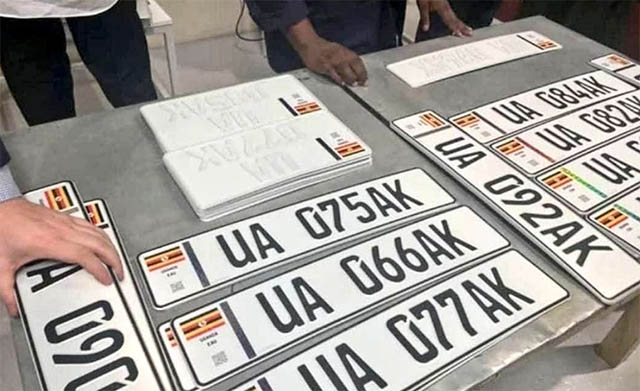
Kampala, Uganda | JULIUS BUSINGE | Did government hurry to roll out digital number plates? That question is increasingly being asked by motorists, car dealers, transport operators and businesses as Uganda grapples with persistent shortages of digital number plates under the Intelligent Transport Monitoring System (ITMS), a project being implemented by Joint Stock Company Global Security, a Russian firm contracted by government.
What was presented as a major step towards improving security and modernizing transport management is now slowing vehicle acquisition, frustrating investors and depriving thousands of Ugandans of income opportunities.
The delays have left newly imported vehicles, motorcycles and commercial fleets stranded in bonded warehouses and parking yards across the country despite owners having paid for registration and digital number plates costing between Shs600,000 and Shs700,000.
Supply chain problems
Susan Kataike, the Principal Communications Officer and Spokesperson at the Ministry of Works and Transport, confirmed that the contractor is experiencing logistical challenges in transporting components required to produce the digital plates.
“From what I was told, they expected the components to arrive yesterday (June 16) but they did not,” Kataike told The Independent on June 17.
Asked when the components would arrive, she said: “I am not sure,” although she expressed optimism that they could arrive within a week.
“The problem is not money,” she added when asked whether the contract was up to the task. “It is transport and you know everybody is talking about the war—and you know the company sources the different components from different suppliers outside Uganda and one supplier might have one component when the other does not have …and there is an issue of clearance which also causes delays.”
Under the ITMS system, every newly registered vehicle must be fitted with a digital number plate embedded with a tracking device and Bluetooth beacon before it can legally operate on public roads.
Business disruption
Several car dealers interviewed in Kampala raised alarm over the delayed delivery of digital number plates, saying the shortages have created a growing backlog of vehicles in bonded warehouses and storage facilities.
Dealers say vehicles that have already been paid for cannot be released to customers because registration remains incomplete. The situation is increasing storage and demurrage costs, tying up working capital and slowing vehicle sales across the country.
Some dealers say the delays are hurting cash flow, reducing turnover and discouraging potential buyers who are unwilling to pay for vehicles they cannot immediately use.
Industry players argue that the problem goes beyond inconvenience. Every day a vehicle remains unregistered represents lost income, especially for entrepreneurs who purchased vehicles through bank loans and must begin servicing repayments before generating revenue.
Youth jobs hit
The impact is being felt particularly in Uganda’s growing gig economy.
Ride-hailing companies depend on a steady stream of newly registered motorcycles and vehicles to bring new riders and drivers onto their platforms.
Delays in registration are preventing thousands of young people from joining the workforce and earning an income.
Industry stakeholders say many boda boda riders who invested savings or borrowed money to acquire motorcycles are now forced to wait for weeks before they can legally begin operations.
This has effectively delayed employment opportunities and reduced earning potential for many young Ugandans at a time when youth unemployment remains a major challenge.
The delays are also eroding the value of money already paid by vehicle owners.
Motorists are required to pay registration fees upfront, yet many wait weeks before receiving their number plates. During this period, vehicles remain idle while inflation, loan interest payments, storage charges and missed business opportunities continue to accumulate.
The situation is particularly costly for businesses operating delivery fleets, cargo trucks and passenger transport vehicles whose profitability depends on rapid deployment.
Need urgent action
Government has already directed Joint Stock Company Global Security to establish a permanent buffer stock equivalent to three to four months of digital plate components and to decentralize operations through regional installation centres.
“Government should urgently ensure the contractor fully implements the buffer stock directive so that supply disruptions do not continue paralysing vehicle registration and economic activity,” one transport sector expert familiar with the matter told The Independent on June 16.
He added: “Efficient delivery of digital number plates is no longer just a security issue, it has become an economic imperative affecting jobs, investment, transport services and business growth across the country.”
On Monday this week, Police spokesperson ACP Rusoke Kituuma said the programme was already yielding tangible results and had recorded a vehicle recovery rate of more than 90% in the past one month. He told reporters that 37 vehicle-related incidents were reported during the month, with 34 cases successfully resolved and all 34 stolen vehicles recovered and returned to their owners.



Number plate can also delay for over one year
Numberplates is also expensive they can charge for around 1.5m