The Independent Uganda: You get the Truth we Pay the Price


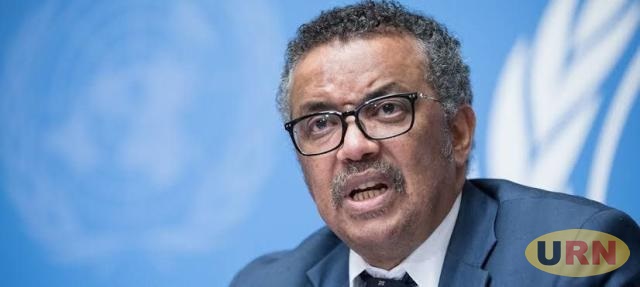
Geneva, Switzerland | URN | The World Health Organization Director-General, Dr Tedros Adhanom Ghebreyesus, has warned that people living with noncommunicable diseases face a heightened risk of preventable harm while receiving healthcare.
Dr Tedros says a new WHO analysis estimates that about one in six people with noncommunicable diseases experience preventable harm during care.
His warning comes as Uganda continues to debate the circumstances surrounding the delayed diagnosis of the late Tooro King, Oyo Nyimba Kabamba Iguru Rukidi IV, who died of cancer in the United States on August 27, aged 34.
Princess Ruth Komuntale, the late King’s sister, said during his burial in Fort Portal on September 12 that Oyo had spent more than a year seeking medical attention in Uganda for persistent pain but did not receive the correct diagnosis.
She said some of his symptoms were initially attributed to strenuous exercise or ulcers, and he was advised to undergo physical therapy. Oyo was later diagnosed with angiosarcoma, a rare and aggressive form of cancer.
Oyo’s death renewed questions about diagnostic errors and patient safety in the country’s health system.
Some health experts have attributed diagnostic errors to several factors, including cognitive biases among health professionals, systemic gaps, limited equipment and the presence of unqualified personnel.
Dr Tedros says cases such as delayed diagnosis, wrong medication, unsafe procedures and poor communication can have serious consequences for people receiving care for chronic diseases.
“Delayed diagnosis, the wrong medicine, an unsafe procedure, or poor communication can have deadly consequences, ” he said.
He says the WHO estimate of preventable harm among people with NCDs is about three times higher than estimates of harm among people receiving healthcare for any reason.
“Safe care must be built into every stage of the care journey, from prevention and early diagnosis to treatment, long-term management and self-care,” Tedros added
The remarks come ahead of World Patient Safety Day on September 17, which this year focuses on safe care for noncommunicable diseases.
World Patient Safety Day brings together governments, partners and communities to focus attention on patient safety and accelerate action to reduce avoidable harm in health care.
This year’s campaign focuses on safe care for noncommunicable diseases (NCDs), with the slogan “Safe care for life!”.
It is noted that people living with NCDs often require continuous care across multiple settings and over long periods, creating multiple points where safety risks can arise, from prevention and diagnosis to treatment, long-term management and self-care.
These risks are also influenced by health system challenges and the broader determinants of health. Noncommunicable diseases include cancer, cardiovascular diseases, diabetes and chronic respiratory diseases.
The conditions often require patients to interact repeatedly with health services over long periods, creating multiple points where errors or other safety risks can occur.
The WHO estimates that globally, one in 10 patients is harmed during healthcare, with about half of that harm considered preventable.
This year’s campaign is therefore calling for patient safety to be addressed throughout the entire care journey, including prevention, early diagnosis, treatment, long-term management and self-care.
It also calls for people living with NCDs and communities to be involved in identifying safety risks and developing solutions with health workers, health institutions and policymakers.