The Independent Uganda: You get the Truth we Pay the Price


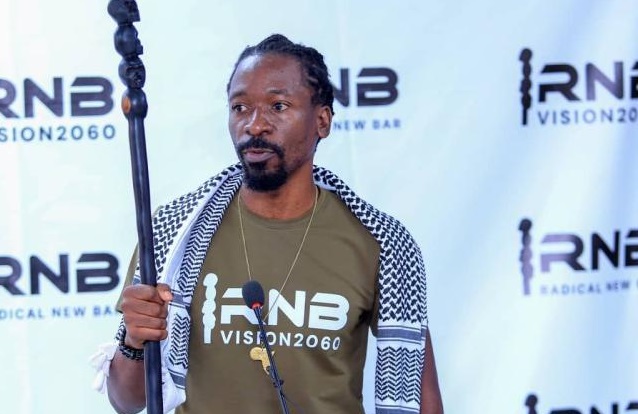
Kampala, Uganda | URN | The Uganda Law Society (ULS) has issued a scathing condemnation of the country’s criminal justice system, alleging it has devolved into a tool for selective political persecution that protects the powerful while “crushing” ordinary citizens. The criticism follows public remarks by President Yoweri Museveni during an NRM leaders’ retreat on April 8, 2026, where he reportedly stated that three Members of Parliament charged with corruption were forgiven after they “repented.”
According to the ULS, the President’s admission explains why nolle prosequi (withdrawals of charges) were filed earlier this year in several high-profile cases involving NRM figures. On January 6, 2026, the Director of Public Prosecutions (DPP) withdrew charges against MPs Cissy Namujju, Paul Akamba, and Yusuf Mutembuli at the Anti-Corruption Court. The move followed a similar withdrawal granted to Minister Amos Lugolobi on November 11, 2025.
ULS President Isaac Ssemakadde said the President’s “candid admission” provides the answer the public was never meant to receive—that such legal decisions were directed by the Executive. The Society revealed it had previously written to the DPP, Lino Anguzu, seeking the legal basis for the withdrawals, but received no response. The ULS argues that this reflects a “police-to-prison pipeline” that targets dissenting voices and ordinary citizens, while granting impunity to individuals linked to the ruling party or military leadership.
In contrast, the Society noted that thousands of opposition supporters remain in detention, with “no mercy, no withdrawal of charges, and no presidential ‘review.’” The ULS also cited the 2022 discharge of businessman Hassan Basajjabalaba and his brother, Muzamiru, from serious corruption charges as part of what it described as a pattern of “selective mercy.”
The Society warned that the failure to prosecute high-level corruption carries significant national consequences. Citing reports from the Inspectorate of Government, the ULS noted that Uganda loses at least UGX 10 trillion annually to corruption—funds it says could transform communities across the country.“ The selective refusal to pursue high-level corruption cases is not a minor lapse; it is a direct driver of underdevelopment and the erosion of public trust,” the statement read. To restore integrity in the justice system, the ULS is calling for urgent constitutional reforms to guarantee the independence of the DPP.
Among the proposals are transferring the appointment and supervision of the DPP to an independent parliamentary committee, ending what it termed “colonial-era deference” where courts accept withdrawals of charges without scrutiny, and requiring the DPP to demonstrate “strict fidelity to the Constitution” when exercising prosecutorial discretion.
Ssemakadde emphasized that “equal justice under law is not a slogan… it is a high constitutional principle and the foundation of any legitimate democracy.” Concerns about selective prosecution have also been raised in court. During the trial of former State Minister for Karamoja Affairs, Agnes Nandutu, defence lawyers questioned the fairness of the prosecution. However, in her ruling on Friday, Justice Jane Okuo Kajuga of the Anti-Corruption Court stated that the court can only adjudicate matters brought before it.