The Independent Uganda: You get the Truth we Pay the Price


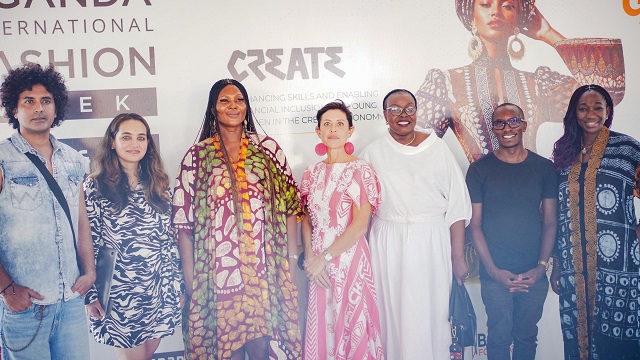
Kampala, Uganda | THE INDEPENDENT | Uganda’s fashion industry is being challenged to look beyond the runway and turn its growing pool of creative talent into businesses, jobs and sustainable economic opportunities for young people.
That was the message as the Uganda International Fashion Week (UIFW) 2026 officially opened on August 31 at the Uganda Manufacturers Association (UMA) Multipurpose Hall in Lugogo, with the Fashion and Business Expo bringing together designers, creatives, buyers, businesses and development partners.
While Expo activities began on August 30, the official opening shifted attention to a question increasingly facing Uganda’s creative industries: how can talent be connected to markets and converted into sustainable livelihoods?
This year’s event has attracted designers and fashion professionals from Kenya, Nigeria, Ghana, Zimbabwe, South Africa, Malawi and India, offering Ugandan creatives opportunities for mentorship, business connections and exposure to different approaches to design, production and branding.
The international designers will showcase their work at the UIFW Grand Finale on September 5. But before then, the Fashion and Business Expo is providing space for one-on-one mentorship, panel discussions, knowledge exchange and meetings between emerging creatives and potential industry partners.
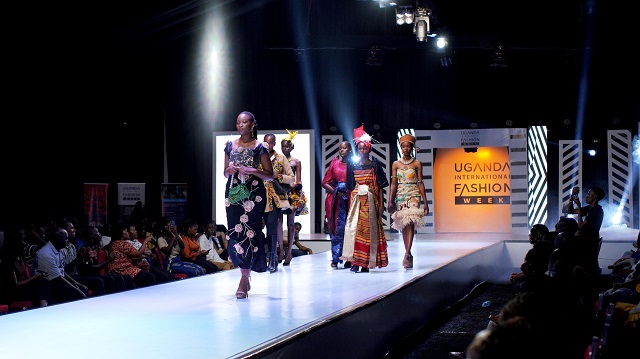
UIFW 2026 is being held under the theme “Fashion for Impact,” positioning the industry not simply as a business of clothing and aesthetics but as a potential source of employment, innovation, cultural expression and economic growth.
Santa Anzo, founder of Uganda International Fashion Week and lead designer at Arapapa Fashion House, said Uganda’s biggest challenge was no longer the availability of creative talent but the ability to turn that talent into viable enterprises.
“Uganda does not have a creativity problem; we have extraordinary talent. Our task now is to turn that talent into sustainable businesses, jobs, exports and economic opportunity. UIFW is building that bridge between creativity and commerce, although the runway may capture attention, it is the business behind fashion that transforms lives,” she said.
Anzo said the Fashion and Business Expo was created partly to address the gap between creativity and commercial opportunity by bringing young designers and creatives closer to buyers, markets, mentors and potential business partners.
The event also offers participants practical exposure to the realities of building careers and enterprises beyond the classroom.
Dr Ruth Aisha Biyinzika, coordinator of the Generating Growth Opportunities and Productivity for Women Enterprises (GROW) Project, encouraged young creatives, particularly women, to remain committed to their ambitions.
She highlighted the role of the GROW Project in providing mentorship and financial support aimed at helping young people develop their talents into sustainable businesses and careers.
For Faizo Kiweewa, Director of Bayimba Foundation, the conversation around employment in fashion forms part of a wider effort to strengthen opportunities across Uganda’s cultural and creative economy.
Kiweewa said the CREATE programme, which focuses on employment opportunities within the sector, aims to empower more than 9,000 young people, particularly women, over the next three years.
“We are specifically focusing on young women because we want to see women have equal opportunities to access and fully work within the cultural and creative sector,” he said.
He said the programme would focus on strengthening value chains, supporting innovation and closing the gap between skills development and access to markets.
Kiweewa also highlighted the importance of making the creative economy more inclusive, saying persons with disabilities and refugees had deliberately been integrated into training programmes and casting sessions.
The approach, he said, recognises fashion not only as a form of artistic expression but also as a possible route to participation and economic independence.
The business dimension of fashion has also featured prominently in discussions at the Expo.
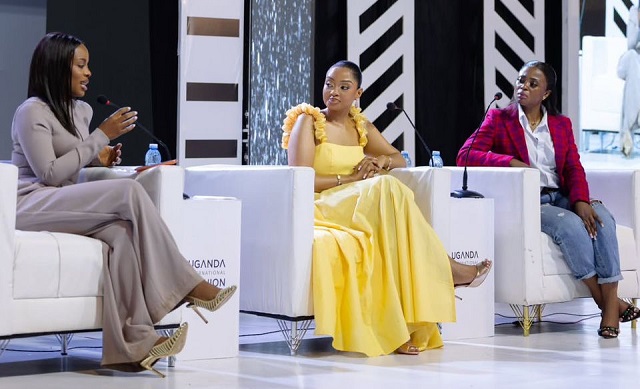
A panel featuring Kenyan designer Hellen Tolbert and award-winning Ugandan designer Anita Beryl, moderated by Anita Fabiola, examined how emerging women designers can access markets, finance and opportunities for growth.
Meanwhile, preparations for the runway have continued alongside the business discussions.
Young models have spent the three days of the Expo working with South African fashion producer Andiswa Manxiwa, who is producing UIFW 2026, alongside deputy producer Cindy Lee.
The pair have been mentoring models on runway movement and presentation as they prepare for the week’s major showcase.
The Uganda International Fashion Week Grand Finale will take place at Kampala Serena Hotel on September 5, bringing together Ugandan and international designers for the closing runway celebration