The Independent Uganda: You get the Truth we Pay the Price


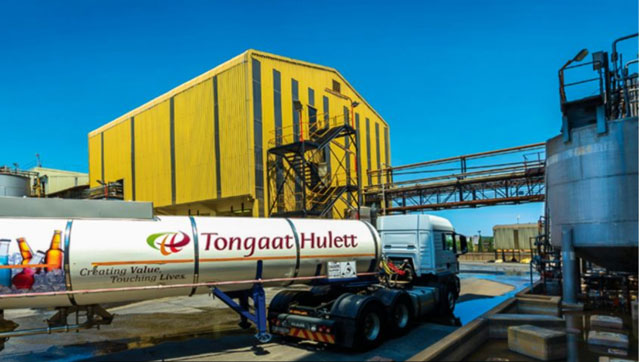
Kampala, Uganda | THE INDEPENDENT | African sugar giant once courted by Tanzania’s Kagera Sugar and heralded as a possible triumph of a continental sugar business spanning East and South Africa is heading for liquidation. Kagera Sugar was eliminated early in the process to reconfigure Tongaat’s business which also included Zimbabwe’s Rudd family enterprise. Since then, and as reported by The Independent earlier, missed deadlines and a line-up of sometimes scandalous would-be financiers suggested a sour end to the 150-year-old company, one of Africa’s oldest.
Tongaat Hulett’s attempt to avoid liquidation collapsed after the company’s business rescue practitioners filed an application on 12 February 2026 to place it under provisional liquidation. Tongaat told affected parties that the sale of business agreements underpinning the rescue plan lapsed on 7 February, after the Vision Consortium, the rescue group, declined to extend closing deadlines, leaving the approved plan “no longer capable of implementation”.
The company said it has since received a letter of demand from Vision for about US$ 725 million stated to be immediately due and payable, indicating the bare-knuckle finale in what some analysts predicted was from the start a corporate raid.
For many creditors and growers, the abrupt turn will feel less like a surprise than a grim confirmation. The collapse follows a familiar pattern: big rescue promises, repeated deadline slippage, opaque financing and a cast of dealmakers whose prior controversies signalled that execution risk was not a footnote but the main event.
A rescue that never arrived
Tongaat entered voluntary business rescue on 27 October 2022, after years of debt and governance failures left the group unable to trade out of its crisis. The first would-be saviour was the Rudland family of Zimbabwe, whose R2 billion proposal unravelled in 2022 when South Africa’s Takeover Regulation Panel declared a key shareholder resolution a nullity after suspicious share purchases were found to have been made in concert with the bidder’s vehicle. The episode set the tone: regulators were forced into late, forensic interventions, and the company lost critical time while its balance sheet deteriorated further.
After the Rudland bid collapsed, Tongaat’s practitioners turned to the Vision consortium, a grouping of Guma Agri and Food Security, Almoiz NA Holdings, Remoggo (Mauritius) PCC and Terris AgriPro. Competition authorities noted in mid 2024 that the consortium would ultimately acquire control through special purpose vehicles and a debt for equity structure.
The plan was pitched as a reset. Instead, what transpired was a test for regulators on how to navigate the complexity of a business rescue with a colorful cast, complex financial processes and thin credibility while responding to skeptics who warned the rescue was a case of the cat amongst the pigeons.
Why the ending looked predictable
The Vision consortium’s public face in South Africa is businessman Robert Gumede. Gumede is high profile, but his name has also appeared in disputes far removed from sugar. In 2024, South Africa’s Special Investigating Unit said it was seeking to recover about R396 million from Gumede in relation to a police PPE procurement matter, according to reporting at the time. Whatever the merits of that case, it is the sort of baggage that raises the political and reputational cost of delay in any rescue of a strategic employer.
Another Vision member, Almoiz, is linked to Pakistan’s politically charged sugar sector. Reporting on Pakistan’s 2020 sugar inquiry described allegations that major sugar groups had inflated costs, manipulated markets and benefited from subsidies. The Almoiz name has appeared in international coverage of that broader scandal, including in Australia, where a sugar mill’s proposed deal with Almoiz was discussed in the context of Pakistan’s inquiry. None of this determines what happens in South Africa, but it helps explain why sceptics saw execution risk in a consortium that brought controversy to the table before it brought cash.
Terris, meanwhile, has been associated in investigative reporting with financier Amre Youness. Reporting by amaBhungane has described Youness’s past advisory work and board roles connected to International Mineral Resources and the central Asian businessmen often referred to as the ENRC “Trio”, and has linked him to South African assets such as Samancor Chrome and Shaftsinkers. Separate reporting has documented the rise and collapse of Afrimax ventures that partnered with Vodafone in parts of Africa, including Uganda. Again, these are not findings of wrongdoing in the Tongaat process. They are warning lights about governance, transparency and delivery, the exact factors a business rescue depends on.
The consortium’s architecture only amplified the unease. The use of Mauritius based entities is a common feature of cross border investing, but it can complicate accountability. Trident Trust, one of the world’s largest offshore providers, was a central source in the Pandora Papers investigations, according to OCCRP’s project summary and the ICIJ’s data. Trident Trust has been referenced in reporting about structures connected to the Tongaat bidders, adding to perceptions of regulatory arbitrage and fragmented oversight.
Those concerns did not remain theoretical. Former rival bidder RGS has repeatedly challenged aspects of the rescue process. In July 2025, Tongaat disclosed that the Durban High Court ordered the Vision group to provide documents and disclosure relating to its acquisition of the former lender group’s claims and security. Vision said it intended to appeal the ruling.
A hard landing
By early February 2026, the fragile funding narrative finally snapped. Tongaat’s notice and subsequent reporting set out the sequence: Vision did not agree to extend the closing date, binding funding arrangements were not concluded and the sale agreements lapsed on 7 February. The practitioners then concluded there was no longer a reasonable prospect of rescue and moved to court for provisional liquidation.
What happens next
If the courts grant liquidation, Tongaat will shift from a rescue timetable to an asset realisation timetable. For cane growers and the rural economies around the mills, the risk is disorder. For creditors, the question is whether more value is preserved through a controlled break up or through another late stage promise that has already failed one crucial test: credible funding by deadline.
For regulators, the story is uncomfortable. Tongaat’s collapse is a case study in how modern business rescue can be stretched by bidders with the resources to litigate and the sophistication to structure around scrutiny. If the outcome now seems predictable, it is because the warning signs were visible early: principals with reputational baggage, offshore complexity, missed milestones and a process that rewarded persistence more than performance.
In the end, Tongaat did not run out of sugar. It ran out of time, and of bidders whose public record suggested they could deliver the one thing the company most needed: certainty. By press time, it could not be established if Kagera Sugar would be looking to acquire some of Tongaat’s assets.
*****
RELATED STORY
SUGAR MAFIA: Taste or test for corporate regulation in Africa